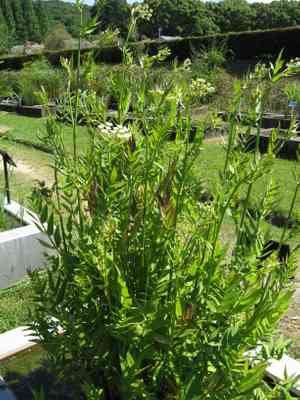
Hemlock waterparsnip (Sium suave)
Also known as: Waterparsnip
Hemlock waterparsnip is commonly found in wetland areas across North America and Asia. While it attracts numerous insects with its flowers and nectar, it is important to exercise caution due to its toxic components and its resemblance to even more poisonous plants. Here are some key precautions to consider:
1. **Avoid Direct Contact**: Refrain from touching the plant, as its toxins can be harmful through skin absorption.
2. **Wear Protective Gear**: Utilize gloves and long-sleeved clothing when in proximity to the plant.
3. **Learn Identification**: Educate yourself on identifying hemlock waterparsnip to prevent accidental exposure.
4. **Keep Vulnerable Groups Away**: Ensure that pets and children do not approach the plant.
5. **Clean Immediately**: If you accidentally touch the plant, wash your skin thoroughly with soap and water.
6. **Medical Attention**: Seek prompt medical help if ingestion occurs or if there is a severe reaction.
Always approach hemlock waterparsnip with caution due to its toxic properties.
Attributes of Hemlock waterparsnip
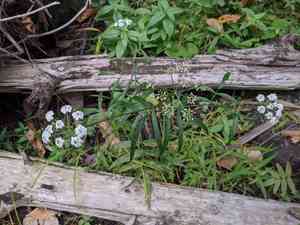
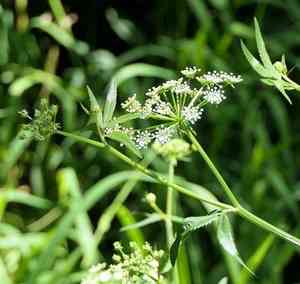
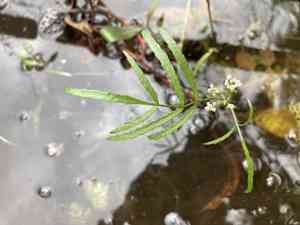
Images of Hemlock waterparsnip
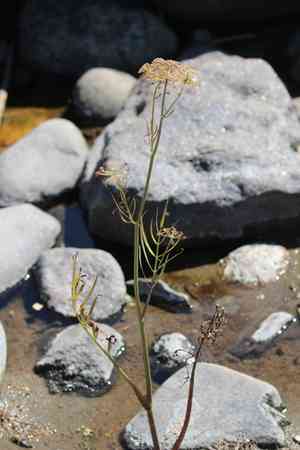
Quickly Identify Hemlock waterparsnip
Scientific Classification of Hemlock waterparsnip
Planting and Growing of Hemlock waterparsnip
 How to Water Hemlock waterparsnip?
 What Are the Sunlight Requirements for Hemlock waterparsnip?
 What Is the Ideal Temperature Range for Hemlock waterparsnip?
 What Soil is Best for Hemlock waterparsnip?
 How to Fertilize Hemlock waterparsnip?
 How to Prune Hemlock waterparsnip?
 How to Propagate Hemlock waterparsnip plant?
 How to Repot Hemlock waterparsnip plant?
Toxicity
Ingestion, Contact



