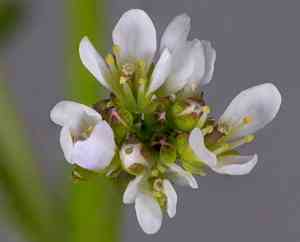
Hedge mustard (Sisymbrium) (Sisymbrium)
Also known as: Hedge Mustard, London Rocket
Hedge mustard, part of the mustard family, is often found as a weed in disturbed areas and farmland. While typically considered a weed, some species are edible and can be used in salads, soups, or as a spice. In addition to their culinary uses, a few types are grown for their attractive flowers, adding ornamental value to gardens.
In This Article
Attributes of Hedge mustard (Sisymbrium)
Lifespan
Annual, Biennial
Plant Height
50-100 cm
Spread
N/A (Herbaceous plant)
Leaf Color
Green
Flower Size
0.5-1 cm
Flower Color
Yellow
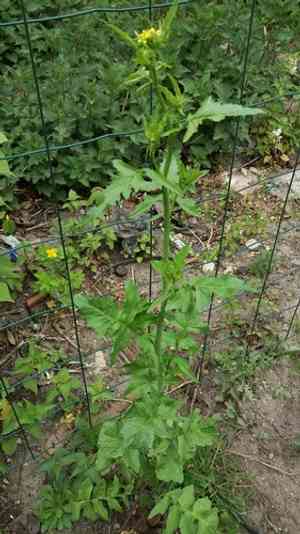
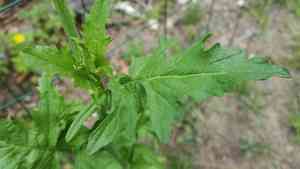
Images of Hedge mustard (Sisymbrium)
Quickly Identify Hedge mustard (Sisymbrium)
1
Sisymbrium species can be identified by their small, yellow flowers with four petals, slender pods, and serrated or lobed leaves. They often grow in disturbed soils, such as roadsides or waste areas.
Scientific Classification of Hedge mustard (Sisymbrium)
Phylum
Magnoliophyta
Class
Magnoliopsida
Order
Brassicales
Family
Brassicaceae
Genus
Sisymbrium
Planting and Growing of Hedge mustard (Sisymbrium)
Care Difficulty
Easy
Watering Schedule
Every 2 days
Sunlight Requirements
Full sun
Sunshine Duration
4-8 hours
Ideal Temperature
60-70℉
Soil Type
Potting Mix, Peat Mix
Soil pH
6-8
Fertilizer Type
Balanced
Pruning Season
Spring, Summer
Pruning Area
Branches, Leaves
Pruning Frequency
2 times a year
Repotting Season
Spring
Pot Type
Plastic, Ceramic
 How to Water Hedge mustard (Sisymbrium)?
Sisymbrium requires a balanced approach to watering. Aim for about 300 ml per session. Ensure the soil is evenly moist but never waterlogged, as this can lead to root rot. The goal is to allow the top inch of soil to dry between waterings without letting it dry out completely.
What are the symptoms of an underwatered Hedge mustard (Sisymbrium)?
›
What should I do if my Hedge mustard (Sisymbrium) is not getting enough water?
›
What are the symptoms of an overwatered Hedge mustard (Sisymbrium)?
›
How to save an overwatered Hedge mustard (Sisymbrium)?
›
 What Are the Sunlight Requirements for Hedge mustard (Sisymbrium)?
Half-day to full-day sunlight is optimal for Sisymbrium. This ensures effective photosynthesis, promoting strong stems and vibrant foliage. Proper lighting impacts its flowering potential positively, contributing to overall vigorous plant health.
What is the best type of sunlight for Sisymbrium?
›
How can I ensure Sisymbrium gets enough light indoors?
›
How does ideal light affect Sisymbrium's growth?
›
 What Is the Ideal Temperature Range for Hedge mustard (Sisymbrium)?
Sisymbrium thrives best in moderately warm conditions. The ideal temperature range for its growth and optimal development lies between 60°F to 70°F. Within this range, the plant can efficiently complete photosynthesis and other metabolic processes. Ensuring these temperature conditions helps in achieving healthy foliage and maximizing the plant's flowering potential.
 What Soil is Best for Hedge mustard (Sisymbrium)?
Sisymbrium thrives in well-draining soil that prevents waterlogging and root rot. This need helps in maintaining optimal moisture levels for healthy growth and prevents fungal issues. The plant requires soil with good aeration to facilitate root respiration. Aerated soil ensures roots have access to essential oxygen, promoting robust growth and vitality. Sisymbrium benefits from nutrient-rich soil that provides essential minerals for growth. Rich soil supports development and productivity, resulting in lush foliage and vibrant blooms.
 How to Fertilize Hedge mustard (Sisymbrium)?
When fertilizing Sisymbrium, it's essential to maintain a balanced approach. Apply liquid fertilizers sparingly, as excessive nutrients can lead to foliage burn. Use a diluted solution at one-quarter strength to avoid over-fertilization.
 How to Prune Hedge mustard (Sisymbrium)?
Begin by removing any dead or diseased stems, cutting back to healthy tissue. Next, trim any leggy or excessively long growth to encourage a bushier appearance. Use clean, sharp scissors or pruning shears to avoid damaging the plant. Shape the plant to your preferred form, usually a rounded or natural bush shape. Regularly step back to observe the overall structure, ensuring it remains balanced and aesthetically pleasing.
 How to Propagate Hedge mustard (Sisymbrium) plant?
1
Begin by filling the seed tray with a sterilized potting mix. Sow Sisymbrium seeds on the surface and gently press them into the soil. Cover lightly with a fine layer of additional mix to ensure light contact with the seeds.
2
After sowing, water the seeds gently using a spray bottle to avoid displacing them. Ensure the soil is consistently moist but not waterlogged. Proper moisture is crucial for successful germination.
3
Place the seed trays in a warm area with indirect sunlight. Ideally, the temperature should range between 18-22°C (64-72°F) to encourage germination, which typically occurs in 10-14 days.
 How to Repot Hedge mustard (Sisymbrium) plant?
1
You should consider repotting Sisymbrium when you notice roots growing out of the drainage holes, the plant becomes top-heavy, or the growth visibly slows down. These are signs that the plant has outgrown its current container and needs more space to thrive.
2
Opt for a pot that is one size larger than the current one, with adequate drainage holes. This ensures excess water can escape, preventing root rot. The pot's size allows for healthy root expansion without overwhelming the plant with too much unused soil.
3
Select a well-draining potting mix rich in organic matter. This kind of soil prevents waterlogging while providing essential nutrients for healthy growth. It supports strong root development and ensures the plant's stability and vibrancy.
Learn More About Hedge mustard (Sisymbrium) Diseases
Anthracnose
Bacterial Leaf Spot
Bacterial Soft Rot
Clubroot
Crown Gall
Cyst Nematode
Damping-off
Downy Mildew
Drought Stress
Fusarium Wilt
Gray Mold
Leaf Spot
Mosaic
Nutrient Deficiency
Nutrient Toxicity
Powdery Mildew
Root Rot
Root-knot Nematode
Rusts
Sooty Mold
Spider Mites
Temperature Stress
Thrips Damage
White Mold
Chemical Injury

