
Cup plant (Silphium perfoliatum)
Also known as: Compass plant, Cup rosin weed, Carpenter's weed, Rosinweed
The cup plant, native to the central and eastern United States, typically reaches heights of 4 to 10 feet (about 120 to 300 cm). Its bright yellow, sunflower-like flowers and large, opposite leaves that form a water-holding cup around the stem are characteristic features. Despite being indigenous, it is considered invasive in several U.S. states due to its robust growth.
In This Article
Attributes of Cup plant
Lifespan
Perennial
Plant Type
Herb
Plant Height
1.2 m to 2.5 m
Spread
1.2 m to 1.5 m
Leaf Color
Green
Flower Size
2.5 cm to 8 cm
Flower Color
Yellow
Images of Cup plant

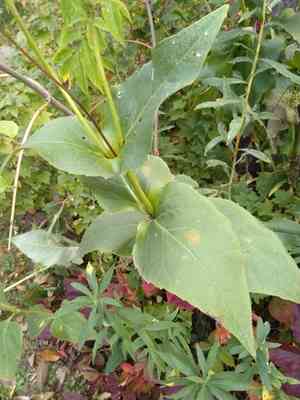
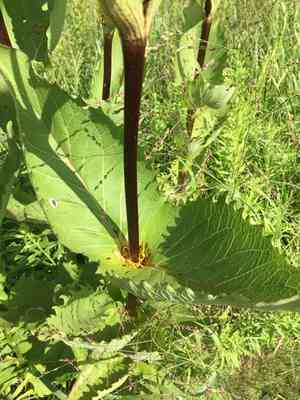

Quickly Identify Cup plant
1
Towering herbaceous perennial, up to 9 feet (274 cm) tall.
2
Leaves form cup-like structure around stem, distinctively ovate and coarse-textured.
3
Vibrant yellow composite flowers with sunburst arrangement of ray florets.
4
Distinctively winged seeds in tan to light brown, aiding wind dispersal.
5
Thick, hairless stem with square shape, unbranched and up to 2 inches (5 cm) in diameter.
Scientific Classification of Cup plant
Phylum
Vascular plants
Class
Dicotyledons
Order
Asters bellflowers fanflowers and allies
Family
Daisy
Genus
Rosinweeds
Species
Cup plant
Planting and Growing of Cup plant
Care Difficulty
Easy
Watering Schedule
Every 8 days
Sunlight Requirements
Full sun
Sunshine Duration
6-10 hours
Ideal Temperature
60-75℉
Soil Type
Potting Mix, Peat Mix
Soil pH
6.5-7.5
Fertilizer Type
Balanced
Pruning Season
Spring, Summer
Pruning Area
Branches, Leaves
Pruning Frequency
2 times a year
Repotting Season
Spring
Pot Type
Plastic, Ceramic
 How to Water Cup plant?
Silphium perfoliatum, commonly known as cup plant, thrives in moist conditions. Watering should aim to evenly moisten the soil without waterlogging it, ensuring that at least the top 10-15 cm of soil is damp but not soggy.
What are the symptoms of an underwatered Cup plant?
›
What should I do if my Cup plant is not getting enough water?
›
What are the symptoms of an overwatered Cup plant?
›
How to save an overwatered Cup plant?
›
 What Are the Sunlight Requirements for Cup plant?
Silphium perfoliatum flourishes in full sun to partial sun environments. Adequate light encourages strong, healthy growth, enhances flowering, and boosts disease resistance by promoting efficient photosynthesis.
More About Sunlight Requirements Techniques→
What is the ideal amount of sunlight for Silphium perfoliatum?
›
How can I ensure my Silphium perfoliatum gets the right sunlight?
›
What benefits does ideal sunlight provide to Silphium perfoliatum?
›
 What Is the Ideal Temperature Range for Cup plant?
Silphium perfoliatum thrives best in a temperature range of 60°F to 75°F. This temperature range allows for optimal photosynthesis and ensures that the plant remains healthy and vibrant. Consistent temperatures within this range help the plant maintain its growth rate and resist diseases efficiently.
 What Soil is Best for Cup plant?
Silphium perfoliatum thrives in nutrient-rich soil, which provides it with the necessary minerals and organic matter for robust growth and flowering. The fertility of the soil supports vigorous leaf and stem development, which is vital for the plant's ability to photosynthesize efficiently. This species requires well-draining soil to avoid waterlogging, which can lead to root rot. Good drainage ensures that excess water is removed, preventing the roots from suffocating and allowing them to access oxygen efficiently. Although well-draining, the soil should retain enough moisture to keep the roots hydrated during dry spells. This balance helps maintain plant turgidity and supports continuous growth even under less-than-ideal weather conditions.
More About Soil→
 How to Fertilize Cup plant?
For Silphium perfoliatum, a balanced fertilizer with equal parts nitrogen, phosphorus, and potassium is recommended. Use approximately one tablespoon of granules per square foot for slow-release fertilizers, or mix a liquid fertilizer to a concentration of one tablespoon per gallon of water.
More About Fertilizing Techniques→
 How to Prune Cup plant?
Begin pruning your Silphium perfoliatum by identifying the main stem and its branches. Use clean, sharp pruners to cut back any dead or damaged stems. Trim away excess foliage to improve air circulation and encourage new growth. Remember to cut at a 45-degree angle to prevent water from collecting on the cut surface, which minimizes the risk of rot. To encourage more blooms, focus on pinching back the tips of the stems just before the flowering season. This technique helps the plant allocate more resources to producing flowers, resulting in a fuller, more vibrant display. Make sure to remove faded flower heads throughout the season to redirect energy towards new blooms.
More About Pruning Techniques→
 How to Propagate Cup plant plant?
1
Prepare a well-draining soil mix, such as a blend of potting soil and sand. This mix should hold moisture while providing aeration, essential for successful seed germination.
2
Plant the seeds about a quarter-inch deep in the prepared soil. Ensure they are spaced adequately to allow for growth and reduce competition for nutrients.
3
For division, carefully dig up the mature parent plant in early spring. Use a sharp knife or spade to separate the roots, taking care to minimize root damage.
 How to Repot Cup plant plant?
1
Look for signs when repotting Silphium perfoliatum: roots emerging from drainage holes, soil drying out too quickly, or reduced plant growth. These are indicators that it's outgrowing its current pot.
2
Select a pot that's 1-2 inches larger in diameter than the current one. Ensure it has drainage holes to prevent waterlogging. This will support healthy root growth and avoid root rot, enhancing overall plant well-being.
3
Opt for a loamy, well-draining mixture. This type of soil ensures proper aeration and drainage, preventing root rot while retaining necessary moisture. It's perfect for the water needs of Silphium perfoliatum.
Learn More About Cup plant Diseases
Anthracnose
Bacterial Leaf Spot
Bacterial Soft Rot
Bacterial Wilt
Chemical Injury
Damping-off
Downy Mildew
Drought Stress
Fusarium Wilt
Gray Mold
Leaf Spot
Mosaic
Nutrient Deficiency
Nutrient Toxicity
Powdery Mildew
Root Rot
Root-knot Nematode
Rusts
Sooty Mold
Spider Mites
Temperature Stress
Thrips Damage
White Mold



