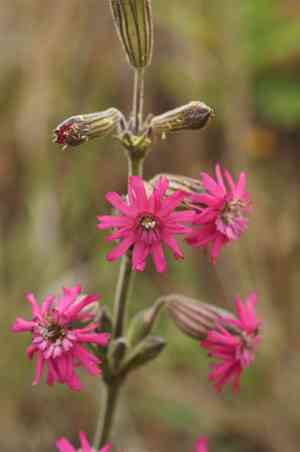
Simple campion (Silene scouleri)
Also known as: Scouler's catchfly
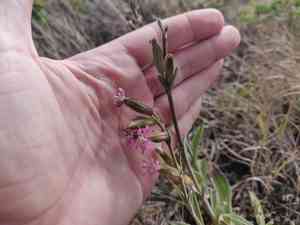
Silene scouleri is a perennial herb that features one or more erect stems sprouting from a woody, branching base known as a caudex. The stems can either be simple or sparsely branched. Its flowers are grouped in clusters that vary from dense to more open arrangements. Each flower is characterized by a tubular or bell-shaped calyx with prominent purple or green veins.
In This Article
Attributes of Simple campion
Lifespan
Perennial
Plant Type
Herb
Plant Height
30 cm to 91 cm
Spread
Variable, typically around 30 cm
Leaf Color
Green
Flower Size
2-3 cm
Flower Color
White to pink
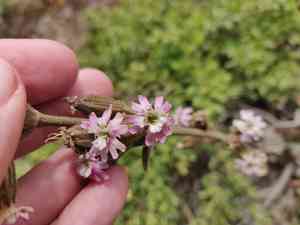
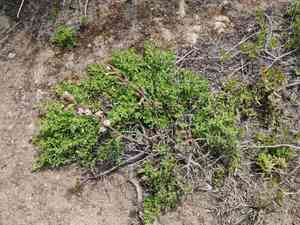
Images of Simple campion
Quickly Identify Simple campion
1
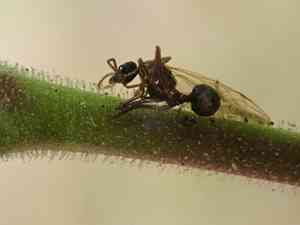
Silene scouleri can be recognized by its sticky, glandular-covered stems and leaves, which help to trap small insects. The plant produces white to pink flowers with deeply notched petals.
Scientific Classification of Simple campion
Phylum
Vascular plants
Class
Dicotyledons
Order
Caryophyllales
Family
Pink
Genus
Campions
Species
Simple campion
Planting and Growing of Simple campion
Care Difficulty
Moderate
Watering Schedule
Every 3 days
Sunlight Requirements
Partial sun
Sunshine Duration
6-10 hours
Ideal Temperature
60-75℉
Soil Type
Potting Mix, Peat Mix
Soil pH
6-8
Fertilizer Type
Balanced
Pruning Season
Spring, Summer
Pruning Area
Branches, Leaves
Pruning Frequency
Once a year
Repotting Season
Spring
Pot Type
Plastic, Ceramic
 How to Water Simple campion?
When watering Silene scouleri, aim to moisten the soil thoroughly but avoid waterlogging. Water until the soil feels damp to a depth of about one inch. Ensure good drainage to prevent standing water.
What are the symptoms of an underwatered Simple campion?
›
What should I do if my Simple campion is not getting enough water?
›
What are the symptoms of an overwatered Simple campion?
›
How to save an overwatered Simple campion?
›
 What Are the Sunlight Requirements for Simple campion?
Partial to full sun conditions are ideal for Silene scouleri. This range ensures the plant can perform efficient photosynthesis, promoting healthy growth and prolific flowering, resulting in a vibrant and robust appearance.
Best Time to Expose
›
Solutions for Ideal Light
›
Effects of Optimal Lighting
›
 What Is the Ideal Temperature Range for Simple campion?
Silene scouleri thrives best in a temperature range between 60°F and 75°F. This range provides optimal conditions for photosynthesis, aiding in strong growth and flowering. Maintaining this temperature range helps ensure the plant can concentrate energy on foliage and bloom production.
 What Soil is Best for Simple campion?
Silene scouleri thrives in well-drained soil, which prevents water logging and root rot. This ensures that the plant receives sufficient aeration, promoting healthy growth and vibrant blooms. This plant prefers soil with moderate fertility, providing the necessary nutrients without overwhelming it. Balanced nutrient levels support robust plant structure and prolonged flowering seasons. Incorporating organic matter into the soil enhances its texture and nutrient content. The organic component aids in moisture retention while providing a slow-release source of nutrients for sustained growth.
 How to Fertilize Simple campion?
Silene scouleri thrives with moderate fertilizer application. Use a balanced 10-10-10 fertilizer at about half the recommended strength for liquid feeders. For solid or slow-release fertilizers, follow label instructions but consider using around one-third less than suggested to avoid nitrogen burn.
 How to Prune Simple campion?
Begin by examining your Silene scouleri plant for any dead or damaged stems. These should be removed to enhance the plant's overall appearance and health. Cut them at the base, close to the main stem, to encourage fresh growth. Pruning is also a great opportunity to shape your Silene scouleri. Remove any overgrown or unruly branches that detract from the plant's natural shape. This not only makes the plant look tidier but also allows better air circulation.
More About Pruning Techniques→
 How to Propagate Simple campion plant?
1
Collect seeds from matured Silene scouleri flowers at the end of the growing season. Ensure seeds are fully ripe; they should be dark and easily removable from the seed pods.
2
Choose healthy stems and cut sections 4-6 inches long. Remove leaves from the lower half to minimize moisture loss and encourage root formation.
3
Divide the rootball during early spring when the plant is dormant or just starting growth. Carefully separate sections ensuring each has roots and new growth points.
 How to Repot Simple campion plant?
1
Silene scouleri shows its need for repotting through stunted growth and roots circling the pot. Spring and early summer are ideal, as the plant enters its growing phase. Regularly check root health to determine if repotting is necessary.
2
Selecting a slightly larger pot with ample drainage holes is crucial. This ensures healthy root development and prevents water from pooling at the bottom, which can lead to root rot. A well-sized pot also helps maintain proper soil moisture balance.
3
Opt for a well-draining, loose soil mix, rich in organic matter. This choice allows for adequate aeration and prevents waterlogged conditions that could cause root rot, fostering a thriving environment for Silene scouleri.
Learn More About Simple campion Diseases
Bacterial Leaf Spot
Bacterial Soft Rot
Bacterial Wilt
Chemical Injury
Crown Gall
Cyst Nematode
Damping-off
Downy Mildew
Drought Stress
Fusarium Wilt
Gray Mold
Leaf Spot
Mosaic
Nutrient Deficiency
Nutrient Toxicity
Powdery Mildew
Root Rot
Root-knot Nematode
Rusts
Sooty Mold
Spider Mites
Temperature Stress
Thrips Damage
White Mold



