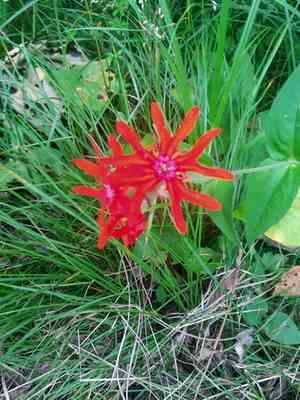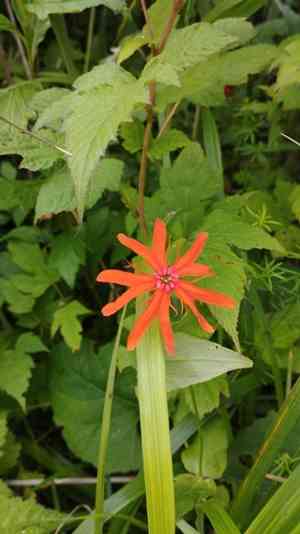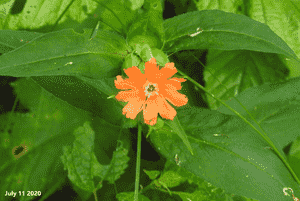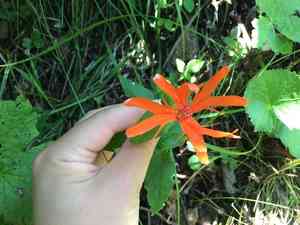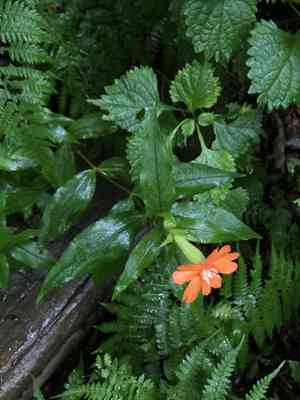
Brilliant campion(Silene fulgens)

Brilliant campion (Silene fulgens)

Also known as: Burning Silene, Fire Pink

The brilliant campion (Silene acaulis) is a hardy perennial known for its vibrant pink to purple flowers, which create a striking contrast against its dense, cushion-like green foliage. This plant is well-adapted to alpine environments due to its low-growing, mat-forming habit, which helps shield it from strong winds and cold temperatures. The cushion growth form also aids in retaining moisture and heat, vital for survival in rocky, well-drained soils typical of alpine regions. Additionally, its deep root system ensures stability and access to nutrients in the challenging alpine terrain, making the brilliant campion a resilient and eye-catching presence in high-altitude landscapes.

Attributes of Brilliant campion

Lifespan
Perennial
Plant Type
Herb
Plant Height
30 cm to 61 cm
Spread
Approximately 30 cm (12 inches)
Leaf Color
Green
Flower Size
2-3 cm (0.8-1.2 inches)
Flower Color
Bright Red

ForwardPlant - Identify plants with a snap

Identify and diagnose plants, get toxicity alerts, and explore safety guides for all types of fungi.

Try for Free

Images of Brilliant campion

Brilliant campion(Silene fulgens)

Quickly Identify Brilliant campion

1
Silene fulgens can be identified by its vibrant red flowers which have a distinct shape with five deeply notched petals. The leaves are lance-shaped and the stems are often sticky to touch due to glandular hairs.

Scientific Classification of Brilliant campion

Phylum
Vascular plants
Class
Dicotyledons
Order
Pinks, cacti, and allies
Family
Pink
Genus
Campions
Species
Brilliant campion

Planting and Growing of Brilliant campion

Care Difficulty
Moderate
Watering Schedule
Every 3 days
Sunlight Requirements
Partial sun
Sunshine Duration
4-8 hours
Ideal Temperature
60-70℉
Soil Type
Potting Mix, Peat Mix
Soil pH
6.5-7.5
Fertilizer Type
Balanced
Pruning Season
Spring, Summer
Pruning Area
Branches, Leaves
Pruning Frequency
2 times a year
Repotting Season
Spring
Pot Type
Plastic, Ceramic

water icon How to Water Brilliant campion?

Silene fulgens enjoys moderately moist soil without being waterlogged. Water it until you notice excess water draining from the bottom of the pot, which ensures the entire root ball is properly moistened without causing root rot.
What are the symptoms of an underwatered Brilliant campion?
What should I do if my Brilliant campion is not getting enough water?
What are the symptoms of an overwatered Brilliant campion?
How to save an overwatered Brilliant campion?

sunlight icon What Are the Sunlight Requirements for Brilliant campion?

Sunlight Requirements: Partial sun, Full sun
Duration of light: 4 to 6 hours
Partial sun is ideal as it allows Silene fulgens to absorb enough sunlight to thrive while avoiding leaf scorching. This condition promotes healthy growth and vibrant flowering.
What is the best placement for Silene fulgens?
How can you ensure optimal sunlight exposure?
What are the benefits of ideal sunlight conditions?

temperature icon What Is the Ideal Temperature Range for Brilliant campion?

Ideal Temperature: 60 ~ 70℉
Silene fulgens thrives best in temperatures ranging from 60 to 70°F. This range promotes optimal photosynthesis and healthy growth, ensuring robust flowering and foliage development. Consistent temperatures within this spectrum allow the plant to maintain metabolic stability and avoid environmental stress.

soil icon What Soil is Best for Brilliant campion?

Soil type: Loam, Sandy loam
Soil PH: 6.5 ~ 7.5
Silene fulgens thrives best in soil that ensures proper drainage. This allows the roots to breathe and prevents waterlogging which might lead to root rot. By having well-drained soil, the plant grows robustly and blooms vibrantly, maintaining its health and aesthetic appeal. While Silene fulgens isn't highly demanding on nutrients, moderately fertile soil can boost its growth. Organic matter enhances soil structure and nutrient availability, ensuring the plant has a steady supply of essential elements, resulting in a healthier plant with abundant blooms. Silene fulgens prefers a neutral to slightly alkaline pH, ranging from 6.5 to 7.5. This pH range enhances nutrient absorption, ensuring that the plant receives optimal nourishment for its development, leading to vigorous growth and a vibrant appearance.

fertilize icon How to Fertilize Brilliant campion?

Fertilizer type: Balanced
For Silene fulgens, it's crucial to balance the fertilizer application. Too little can lead to stunted growth, while too much could damage the roots. Ideally, with liquid fertilizers, dilute it to half its recommended strength. For solid fertilizers, use no more than two teaspoons per square foot of soil surface.

prune icon How to Prune Brilliant campion?

Pruning Time: Spring, Autumn
Start by removing any dead or diseased stems to ensure the health of the plant. Cut back to healthy tissue, making clean cuts at a slight angle to allow water to run off. Pinch back new growth tips to promote a denser habit. This involves gently pinching or cutting the growing tips, encouraging lateral shoots to develop. Trim back the plant to maintain a pleasing shape, removing any spindly or leggy stems. Regular shaping helps to keep Silene fulgens compact and bushy. More About Pruning Techniques

propagate icon How to Propagate Brilliant campion plant?

Propagate Time: Spring, Early spring, Late spring
1
To propagate Silene fulgens from seeds, start by collecting ripe seeds from the parent plant. Clean the seeds thoroughly to remove any pulp and dry them before sowing. This ensures better germination rates.
2
For cutting propagation, select healthy stems and cut them below a node. Place the cuttings in a rooting hormone to promote root growth before planting them in a well-draining soil mix.
3
Division involves carefully digging up an established plant and separating it into smaller sections, each with roots and stems. This method is effective for mature plants and helps in rejuvenating older plants.
More About Propagating Techniques

repot icon How to Repot Brilliant campion plant?

Repotting frequency: Every 2-3 years
1
Silene fulgens shows signs of needing repotting when its roots begin to emerge from the drainage holes, or the soil remains soggy for too long after watering. Ideally, repotting should occur during the growing season, specifically in spring or early summer, to minimize stress.
2
Choose a pot slightly larger than the current one to allow for root growth. Ensure it has good drainage to prevent waterlogged soil, which can lead to root rot. A clay or terracotta pot is ideal as it allows for better air circulation.
3
Opt for a well-draining loamy mix that retains some moisture but allows excess water to escape. This ensures the roots are both aerated and appropriately hydrated, promoting healthy growth and reducing the risk of rot.

ForwardPlant - Identify plants with a snap

Find the best spots for them to optimize their health, simply using your phone.

Try for Free