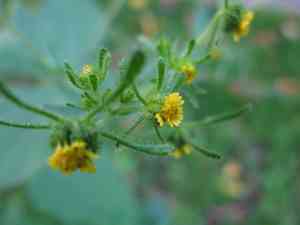
Sigesbeckia (Sigesbeckia) (Sigesbeckia)
Also known as: Hedionda, St. Paul’s Wort
*Calendula* is a genus of annual plants within the aster family (Asteraceae).
In This Article
Attributes of Sigesbeckia (Sigesbeckia)
Lifespan
Annual
Plant Height
0.3 to 1.2 meters
Spread
0.1 to 0.3 meters
Leaf Color
Green
Flower Size
0.5 to 1 centimeter
Flower Color
Yellow
Images of Sigesbeckia (Sigesbeckia)
Quickly Identify Sigesbeckia (Sigesbeckia)
1
Sigesbeckia plants can be identified by their sticky stems and leaves which have glandular hairs. The flowers are usually yellow and arranged in small clusters.
Scientific Classification of Sigesbeckia (Sigesbeckia)
Phylum
Magnoliophyta
Class
Magnoliopsida
Order
Asterales
Family
Asteraceae
Genus
Sigesbeckia
Planting and Growing of Sigesbeckia (Sigesbeckia)
Care Difficulty
Easy
Watering Schedule
Every 2 days
Sunlight Requirements
Full sun
Sunshine Duration
6-10 hours
Ideal Temperature
68-77℉
Soil Type
Potting Mix, Peat Mix
Soil pH
6.5-7.5
Fertilizer Type
Balanced
Pruning Season
Spring, Summer
Pruning Area
Branches, Leaves
Pruning Frequency
2 times a year
Repotting Season
Spring
Pot Type
Terracotta, Ceramic
 How to Water Sigesbeckia (Sigesbeckia)?
The plant requires approximately 250 ml of water per session. It's essential to ensure the soil is moist but not waterlogged, allowing the top inch of the soil to dry out between waterings.
What are the symptoms of an underwatered Sigesbeckia (Sigesbeckia)?
›
What should I do if my Sigesbeckia (Sigesbeckia) is not getting enough water?
›
What are the symptoms of an overwatered Sigesbeckia (Sigesbeckia)?
›
How to save an overwatered Sigesbeckia (Sigesbeckia)?
›
 What Are the Sunlight Requirements for Sigesbeckia (Sigesbeckia)?
A mixed regime of full sun and partial sun areas for 4 to 8 hours daily provides a balanced light environment, enhancing the plant's photosynthesis, vitality, and overall resilience.
What is the best lighting condition for Sigesbeckia?
›
How can I achieve ideal lighting conditions for Sigesbeckia?
›
What are the benefits of optimal lighting for Sigesbeckia?
›
 What Is the Ideal Temperature Range for Sigesbeckia (Sigesbeckia)?
The optimal temperature range for Sigesbeckia growth is between 68°F and 77°F. Within this range, the plant can perform vital physiological processes efficiently, leading to robust growth and development. Ensuring temperatures remain within this range helps in maintaining the plant's health, enhancing photosynthesis, and supporting a vibrant flowering process.
 What Soil is Best for Sigesbeckia (Sigesbeckia)?
Sigesbeckia prefers soil that drains well to prevent root rot. Well-draining soil ensures that roots receive sufficient air and water, enhancing the plant's growth and overall health. Soil rich in organic matter provides Sigesbeckia with essential nutrients. This supports robust growth, vibrant foliage, and a more resilient plant structure. Soil that retains moderate moisture helps maintain consistent hydration, crucial for steady growth. Proper moisture retention prevents the soil from drying out too quickly, reducing plant stress.
 How to Fertilize Sigesbeckia (Sigesbeckia)?
For Sigesbeckia, it is vital to use a balanced fertilizer. Typically, a 10-10-10 NPK mix is recommended. Apply liquid fertilizer by diluting it to half strength; around 1 cup per plant should suffice. Adjust based on plant response.
 How to Prune Sigesbeckia (Sigesbeckia)?
Begin by sterilizing your pruning shears to prevent disease spread. Focus on cutting off any dead or yellowing leaves and stems, as this will not only improve the plant's appearance but also allow more light to reach the healthier areas. Trim back any overly lengthy stems to encourage a bushier growth habit, making cuts just above a set of leaves or bud. Ensure that the cuts are clean and done at an angle to prevent water accumulation and potential rot.
 How to Propagate Sigesbeckia (Sigesbeckia) plant?
1
Choose viable Sigesbeckia seeds from matured plants. Healthy seeds are crucial for successful propagation. They should be free from deformities and have a consistent size and color. Soaking the seeds overnight before planting can enhance germination.
2
Create a well-draining soil mix using equal parts of potting soil, sand, and compost. This mix provides the necessary nutrients and aeration required for seed germination and cutting root development, ensuring healthier plant growth.
3
Plant the seeds or cuttings into the prepared soil. Maintain a regular watering schedule to keep the soil moist but not waterlogged. Proper watering during the initial stages is critical to avoid fungal growth and ensure strong root formation.
 How to Repot Sigesbeckia (Sigesbeckia) plant?
1
Signs that Sigesbeckia needs repotting include roots growing out of drainage holes or the soil drying out quickly after watering. These indicators often appear during its active growth periods in spring and summer, making these the best times to repot.
2
Select a pot with good drainage, ideally one or two sizes larger than the current one. Adequate drainage prevents waterlogging and root rot, promoting healthier growth and reducing the likelihood of plant stress after repotting.
3
Opt for a potting mix that retains some moisture but drains well to avoid water stagnation. A well-draining soil mix provides a balanced environment for roots, preventing disease and encouraging strong root systems.
Toxicity
Ingestion and skin contact
WARNING
The judgment on toxicity and danger is for reference only. We DO NOT GUARANTEE any accuracy of such judgment. Therefore, you SHALL NOT rely on such judgment. It is IMPORTANT TO SEEK PROFESSIONAL ADVICE in advance when necessary.
Learn More About Sigesbeckia (Sigesbeckia) Diseases
Anthracnose
Bacterial Leaf Spot
Bacterial Wilt
Damping-off
Downy Mildew
Drought Stress
Fusarium Wilt
Gray Mold
Leaf Curl
Leaf Spot
Mosaic
Nutrient Deficiency
Nutrient Toxicity
Powdery Mildew
Root Rot
Root-knot Nematode
Rusts
Sooty Mold
Spider Mites
Temperature Stress
Thrips Damage
White Mold
Chemical Injury

