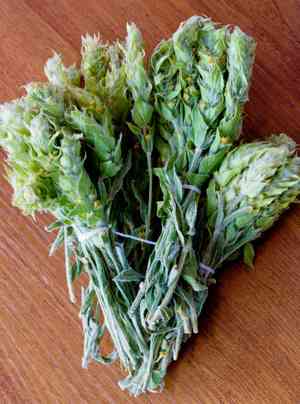
Mountain tea (Sideritis) (Sideritis)
Also known as: Mountain Tea, Ironwort
Mountain teas flourish in areas such as the Mediterranean, the Balkans, the Iberian Peninsula, and Macaronesia, as well as in parts of Central Europe and temperate Asia. Various classification systems identify up to 319 distinct species, subspecies, ecotypes, forms, or cultivars. These plants, belonging to the genus *Sideritis*, are typically short (8 to 50 cm), xerophytic subshrubs or herbs that can be either annual or perennial. They are characterized by their pubescent nature, with surfaces that are either villous or covered by a fine, woolly layer of microscopic intertwined hairs.
In This Article
Attributes of Mountain tea (Sideritis)
Lifespan
Perennial
Plant Height
30-50 cm (12-20 inches)
Spread
30-60 cm (12-24 inches)
Leaf Color
Green to grey-green
Flower Size
1-2 cm (0.4-0.8 inches)
Flower Color
Yellow, White
Images of Mountain tea (Sideritis)
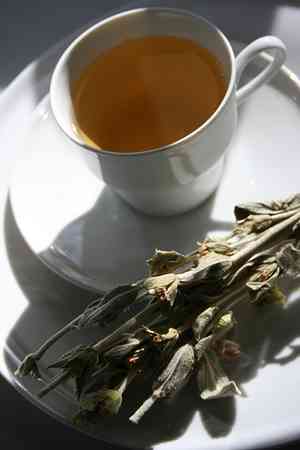
Quickly Identify Mountain tea (Sideritis)
1
Sideritis plants can be identified by their woolly stems and leaves, aromatic smell, and small, tubular flowers that are usually yellow or white. The bushy appearance and the presence of trichomes on the plant surface are also distinctive characteristics.
Scientific Classification of Mountain tea (Sideritis)
Phylum
Magnoliophyta
Class
Magnoliopsida
Order
Lamiales
Family
Lamiaceae
Genus
Sideritis
Planting and Growing of Mountain tea (Sideritis)
Care Difficulty
Moderate
Watering Schedule
Every 4 days
Sunlight Requirements
Full sun
Sunshine Duration
6-10 hours
Ideal Temperature
68-77℉
Soil Type
Potting Mix, Peat Mix
Soil pH
6.5-7.5
Fertilizer Type
Balanced
Pruning Season
Spring, Summer
Pruning Area
Branches, Leaves
Pruning Frequency
2 times a year
Repotting Season
Spring
Pot Type
Plastic, Ceramic
 How to Water Mountain tea (Sideritis)?
For Sideritis, the principle is to water moderately but consistently. Make sure the top layer of soil, approximately 2-3 cm deep, is dry before each watering. The goal is to provide enough moisture to reach the plant's roots without causing waterlogging.
What are the symptoms of an underwatered Mountain tea (Sideritis)?
›
What should I do if my Mountain tea (Sideritis) is not getting enough water?
›
What are the symptoms of an overwatered Mountain tea (Sideritis)?
›
How to save an overwatered Mountain tea (Sideritis)?
›
 What Are the Sunlight Requirements for Mountain tea (Sideritis)?
Ideally, Sideritis thrives in a mixture of full sun and partial sun, benefiting from robust blooming and growth when placed in environments with variable light exposure. This facilitates optimal photosynthesis and vibrant plant health.
Optimal Lighting Duration
›
Solution for Ideal Sun Exposure
›
Benefits of Perfect Lighting
›
 What Is the Ideal Temperature Range for Mountain tea (Sideritis)?
Sideritis thrives best in temperate conditions, where it receives plenty of sunlight and the ambient temperature stays between 68°F and 77°F. This range supports optimal metabolic and growth processes.
 What Soil is Best for Mountain tea (Sideritis)?
Sideritis thrives best in well-drained soil, preventing root rot and other water-related diseases. This kind of soil ensures adequate aeration, promoting healthy root development and nutrient absorption. The plant prefers a moderately fertile soil environment which provides just enough nutrients without overwhelming or underfeeding the plant, thereby supporting healthy growth and vibrant blooms. A slightly alkaline soil enhances the nutrient uptake of Sideritis, particularly promoting the assimilation of essential minerals that keep the plant healthy and robust.
 How to Fertilize Mountain tea (Sideritis)?
Sideritis prefers a light to moderate amount of fertilizer. Using too much can harm the plant, while too little might not support optimal growth. Typically, a balanced liquid fertilizer diluted to half strength is ideal, applied according to the recommended frequency.
 How to Prune Mountain tea (Sideritis)?
Start by inspecting your Sideritis plant and look for any stems that appear to be dead, damaged, or overly woody. These should be the primary targets for pruning, as removing them opens up the plant and encourages healthier, new growth. Ensure you have a pair of sharp pruning shears or scissors. Dull tools can cause damage to the plant by crushing the stems rather than making a clean cut, which can make the plant susceptible to disease. Cut at a 45-degree angle, just above a pair of leaves or a leaf node. This encourages outward growth and prevents water from collecting on the cut surface, which can lead to rot.
 How to Propagate Mountain tea (Sideritis) plant?
1
Begin by selecting a well-draining potting mix that supports healthy root development. This is crucial because proper soil structure ensures the seeds or cuttings have adequate access to nutrients and prevents waterlogging, which can lead to root rot.
2
After the soil is prepared, sow the seeds lightly on the surface or insert the cuttings at a slight angle. Cover seeds gently with a thin layer of soil. This step helps in ensuring good soil contact necessary for germination and rooting.
3
It is critical to keep the soil consistently moist without overwatering. Check daily to ensure the surface remains damp as this promotes germination and reduces the risk of seedlings drying out before establishing roots.
 How to Repot Mountain tea (Sideritis) plant?
1
Signs that it's time to repot Sideritis include roots growing out the bottom of the pot or visible crowding at the soil surface. If growth slows significantly or the plant seems unhealthy despite good care, it's likely time for a new pot.
2
Select a pot that is 1-2 inches larger in diameter than the current one. Ensure it has drainage holes to prevent waterlogging, which can lead to root rot. A slightly larger pot allows room for growth, ensuring the plant doesn't become root-bound too quickly.
3
Choose a well-draining potting mix, ideally one designed for Mediterranean plants, to ensure excess water can escape. This type of soil provides the necessary air to the roots and prevents water retention that could harm the plant.
Learn More About Mountain tea (Sideritis) Diseases
Anthracnose
Bacterial Leaf Spot
Bacterial Soft Rot
Bacterial Wilt
Crown Gall
Cyst Nematode
Damping-off
Downy Mildew
Drought Stress
Fusarium Wilt
Gray Mold
Leaf Spot
Mosaic
Nutrient Deficiency
Nutrient Toxicity
Powdery Mildew
Root Rot
Root-knot Nematode
Rusts
Sooty Mold
Spider Mites
Temperature Stress
Thrips Damage
White Mold

