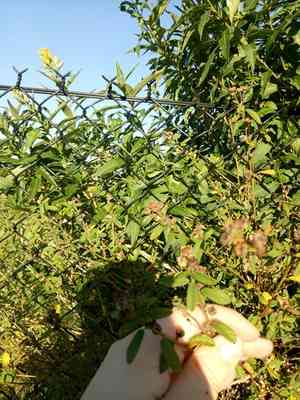
Fanpetals (Sida) (Sida)
Also known as: Arrowleaf Sida, Cuban Jute, Indian Hemp
Lantana species, particularly Lantana camara, are flowering shrubs known for their vibrant, colorful blooms and aromatic foliage. These plants are highly attractive to various butterfly and moth species, serving both as nectar sources and larval hosts. However, in recent years, certain Lantana species have turned into invasive weeds in tropical regions outside their native range, posing a significant threat to local ecosystems by outcompeting indigenous plants.
In This Article
Attributes of Fanpetals (Sida)
Lifespan
Annual, Perennial
Plant Height
0.5 to 2 meters
Spread
0.5 to 1 meter
Leaf Color
Green
Flower Size
2 to 3 cm
Flower Color
Yellow, Orange
Images of Fanpetals (Sida)
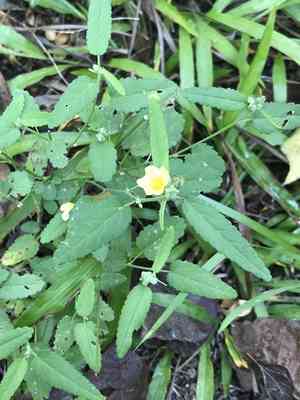
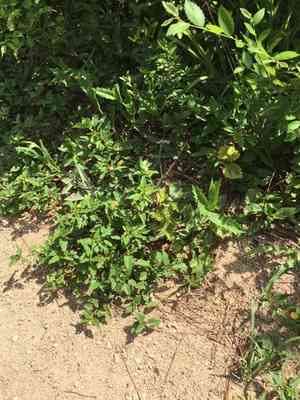
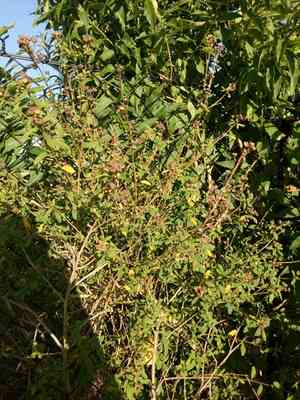
Quickly Identify Fanpetals (Sida)
1
Sida plants can be identified by their small, yellow or orange hibiscus-like flowers and their heart-shaped or ovate leaves. The leaves usually have serrated edges and are attached to long, slender stems.
Scientific Classification of Fanpetals (Sida)
Phylum
Magnoliophyta
Class
Magnoliopsida
Order
Malvales
Family
Malvaceae
Genus
Sida
Planting and Growing of Fanpetals (Sida)
Care Difficulty
Easy
Watering Schedule
Every 2 days
Sunlight Requirements
Full sun
Sunshine Duration
4-8 hours
Ideal Temperature
68-77℉
Soil Type
Potting Mix, Peat Mix
Soil pH
6-7.5
Fertilizer Type
Balanced
Pruning Season
Spring, Summer
Pruning Area
Branches, Leaves
Pruning Frequency
2 times a year
Repotting Season
Spring
Pot Type
Plastic, Ceramic
 How to Water Fanpetals (Sida)?
For Sida, ensuring the soil remains moderately moist is key. Water approximately 300 milliliters per session, ensuring the topsoil feels moist but not overly saturated. Be sure the pot has adequate drainage, so excess water can escape, preventing root rot.
What are the symptoms of an underwatered Fanpetals (Sida)?
›
What should I do if my Fanpetals (Sida) is not getting enough water?
›
What are the symptoms of an overwatered Fanpetals (Sida)?
›
How to save an overwatered Fanpetals (Sida)?
›
 What Are the Sunlight Requirements for Fanpetals (Sida)?
Partial sun offers a balanced exposure that facilitates steady growth and flowering. This environment helps Sida maintain robust health and structural integrity.
What location provides ideal lighting?
›
How to achieve optimal lighting conditions?
›
What are the benefits of ideal lighting?
›
 What Is the Ideal Temperature Range for Fanpetals (Sida)?
An ideal temperature range of 68-77°F supports optimal growth and development for Sida. This range provides the warmth necessary for vital metabolic functions, photosynthesis, and overall physiological processes. By maintaining these temperatures, the plant can thrive in terms of health and yield.
 What Soil is Best for Fanpetals (Sida)?
Sida plants thrive in soils with excellent drainage. This feature prevents waterlogging, ensuring roots receive ample oxygen, which is vital for plant health and stability. A soil rich in organic matter is beneficial for Sida. Organic nutrients support robust growth, enhance flowering, and improve resilience against pests and diseases. While Sida can tolerate some drought, consistent moisture levels in the soil help the plant maintain vigor and continuous growth during dry spells.
 How to Fertilize Fanpetals (Sida)?
The Sida plant benefits from moderate fertilization. Too much can lead to excessive growth, while too little may hinder development. For liquid fertilizers, approximately 20 milliliters diluted in a liter of water per application is sufficient. Solid fertilizers should be used sparingly, applying around 50 grams per plant annually.
 How to Prune Fanpetals (Sida)?
Begin by identifying any dead, diseased, or damaged branches and remove them first. Cut these branches back to the base to prevent further issues. Next, trim back any overgrown or leggy stems to maintain the plant's shape and encourage bushier growth. Make cuts just above a node to prompt new growth there. The best time to prune your Sida plant is during its growing seasons, typically in Spring and Summer. Pruning at the start of these seasons will take advantage of the natural growth spurts, allowing the plant to recover and thrive.
 How to Propagate Fanpetals (Sida) plant?
1
Start by soaking Sida seeds in warm water for 24 hours to help soften the seed coat, which may enhance germination. After soaking, sow the seeds in a well-prepared seed tray filled with a mixture of potting soil and sand for proper drainage.
2
Select healthy stems from the parent Sidaplant, ideally non-flowering shoots. Use sterilized pruning shears to cut sections about 4-6 inches long. Remove the leaves from the lower half of the cutting to prepare it for planting.
3
Dip the cut end of the cutting in rooting hormone to accelerate root formation. Plant the cutting in a pot filled with a rooting mix, such as peat and perlite. Water it thoroughly and cover it with a plastic bag to maintain humidity.
 How to Repot Fanpetals (Sida) plant?
1
You'll know it's time to repot Sida when you notice roots growing out of the drainage holes or if the plant has become root-bound. Other signs include stunted growth or if the soil dries out quickly after watering. Repotting during the growing seasons of spring or summer capitalizes on the plant's natural growth momentum, offering the most conducive conditions for root expansion and adaptation.
2
Select a pot that is one size larger than the current one. The new pot should have drainage holes to prevent waterlogging, which can lead to root rot. A pot made from breathable materials like terracotta can help regulate moisture levels, providing a healthy environment for your Sida's roots.
3
A well-draining potting mix is essential for Sida to thrive. Look for a mix that balances moisture retention and drainage. Incorporating materials like perlite or coarse sand ensures that excess water doesn't accumulate, reducing the risk of root rot while allowing the roots to access the nutrients and air they need.
Learn More About Fanpetals (Sida) Diseases
Anthracnose
Bacterial Leaf Spot
Bacterial Wilt
Crown Gall
Cyst Nematode
Damping-off
Downy Mildew
Drought Stress
Fusarium Wilt
Gray Mold
Leaf Curl
Leaf Spot
Mosaic
Nutrient Deficiency
Nutrient Toxicity
Powdery Mildew
Root Rot
Root-knot Nematode
Rusts
Sooty Mold
Spider Mites
Temperature Stress
Thrips Damage
White Mold

