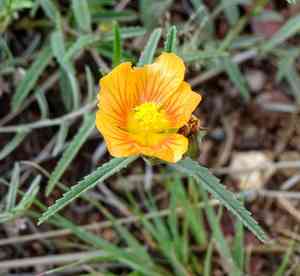
New mexico fanpetals (Sida neomexicana)
Also known as: New Mexico Sida
The Desert Marigold (Baileya multiradiata) is a hardy perennial herb indigenous to the arid regions of the southwestern United States. It is renowned for its striking yellow blooms and unique heart-shaped foliage. This plant flourishes in dry environments, commonly seen in sandy or rocky soils. Its ability to withstand drought is due to its extensive root system, enabling it to endure in sun-scorched terrains.
In This Article
Attributes of New mexico fanpetals
Lifespan
Perennial
Plant Type
Shrub
Plant Height
Typically 20-50 cm
Spread
N/A
Leaf Color
Green
Flower Size
Approximately 1-2 cm
Flower Color
Yellow
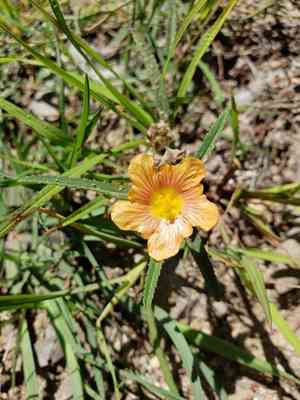
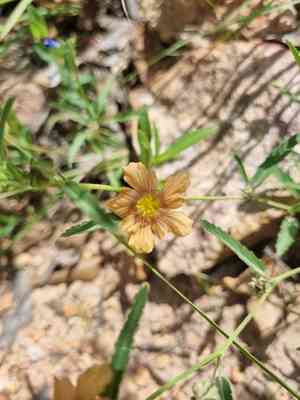
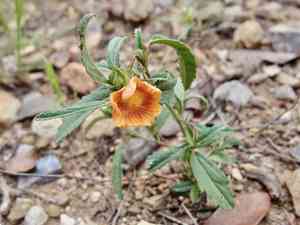
Images of New mexico fanpetals
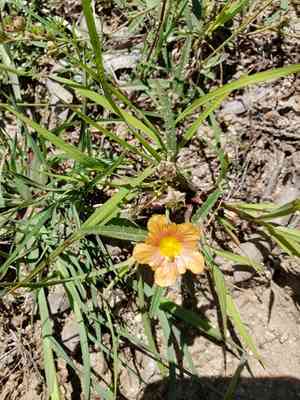
Quickly Identify New mexico fanpetals
1
Sida neomexicana can be identified by its small, yellow flowers with five petals, and ovate to lance-shaped leaves that are sparsely to densely pubescent. The stems are typically erect and can be slightly woody at the base.
Scientific Classification of New mexico fanpetals
Phylum
Vascular plants
Class
Dicotyledons
Order
Malvales
Family
Mallow
Genus
Fanpetals
Species
New mexico fanpetals
Planting and Growing of New mexico fanpetals
Care Difficulty
Easy
Watering Schedule
Every 2 days
Sunlight Requirements
Full sun
Sunshine Duration
4-8 hours
Ideal Temperature
68-77℉
Soil Type
Potting Mix, Peat Mix
Soil pH
6.5-7.5
Fertilizer Type
Balanced
Pruning Season
Spring, Summer
Pruning Area
Branches, Leaves
Pruning Frequency
2 times a year
Repotting Season
Spring
Pot Type
Ceramic, Plastic
 How to Water New mexico fanpetals?
For Sida neomexicana, watering should be done thoroughly but not excessively. The right amount is about 250 ml per session. Ensure the soil is moist but not soggy, and water until you notice drainage from the bottom of the pot, allowing proper aeration and preventing root rot.
What are the symptoms of an underwatered New mexico fanpetals?
›
What should I do if my New mexico fanpetals is not getting enough water?
›
What are the symptoms of an overwatered New mexico fanpetals?
›
How to save an overwatered New mexico fanpetals?
›
 What Are the Sunlight Requirements for New mexico fanpetals?
Full sun to partial sun is ideal for Sida neomexicana. Adequate sunlight promotes optimal photosynthesis, facilitating energy production for growth and vibrant flowering, resulting in a healthier, more robust plant.
What is the ideal lighting condition for Sida neomexicana?
›
How can I ensure my Sida neomexicana gets this ideal light?
›
What benefits does Sida neomexicana get from ideal lighting?
›
 What Is the Ideal Temperature Range for New mexico fanpetals?
Sida neomexicana thrives best in temperatures ranging from 68°F to 77°F. This range provides optimal conditions for photosynthesis, growth, and overall plant health. It is crucial to maintain this temperature range to ensure the plant's vital functions occur efficiently. At these temperatures, the plant can maximize its metabolic activity, promoting robust development and flowering.
 What Soil is Best for New mexico fanpetals?
Sida neomexicana thrives best in well-drained soils. This helps prevent root rot, promoting healthy root growth and ensuring the plant can absorb nutrients efficiently. This plant prefers soils with moderate nutrient content. Adequate nutrients support its growth, promoting lush foliage and vibrant flowers, which are crucial for its overall health and longevity. A soil pH between 6.5 and 7.5 is ideal. This range allows optimal nutrient availability, which enhances the plant's growth and flowering potential, ensuring a thriving plant environment.
 How to Fertilize New mexico fanpetals?
For Sida neomexicana, use a balanced liquid fertilizer diluted to half strength, applying approximately 200 ml per plant when using liquid fertilizers. For solid fertilizers, apply 5 grams per plant annually.
 How to Prune New mexico fanpetals?
Begin by removing any dead or diseased branches to prevent the spread of illness to healthy parts. Make cuts at a 45-degree angle, targeting just above a healthy bud or stem joint to encourage swift recovery. Trim back overgrown sections to shape the plant and allow better light penetration. Focus on thinning out the interior branches to increase airflow, which helps prevent fungal issues and stimulates overall plant vigor.
More About Pruning Techniques→
 How to Propagate New mexico fanpetals plant?
1
Choose high-quality, disease-free seeds. This ensures the healthy growth of seedlings. Store seeds in a cool, dry place until you are ready to plant, to prevent germination and spoilage.
2
Use a well-draining potting mix to fill your seed tray. The mix should be moist but not waterlogged. A well-aerated medium helps in the initiation of root growth and promotes uniform sprouting.
3
Sow seeds shallowly in the prepared trays, covering them lightly with soil. Ensure they are spaced well to prevent fungal infections and facilitate easier watering and air circulation.
 How to Repot New mexico fanpetals plant?
1
Repot Sida neomexicana when you see roots poking out of the drainage holes, or if the plant's growth seems stunted. Early spring is ideal, just as it begins its growing season, giving it ample time to settle into fresh soil.
2
Select a pot just one size larger than the current one, prioritizing proper drainage. Terracotta pots are excellent as they wick away moisture, preventing root rot. Ensure the new pot has sufficient drainage holes to allow excess water to escape.
3
Opt for a sandy, well-draining mix that mimics its natural desert environment. This type of soil allows for good root aeration and avoids waterlogging, which is crucial for the plant's overall health and growth.



