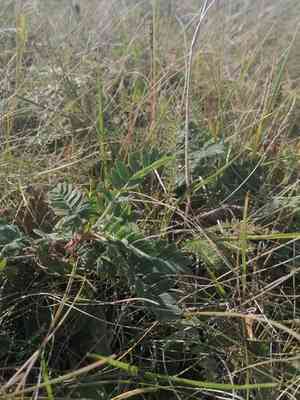
Sibbaldianthe (Sibbaldianthe) (Sibbaldianthe)
Also known as: Sibbaldianthe
Sibbaldianthe is a diverse group of plants encompassing both ornamental and edible species. This family includes beloved favorites like roses, apples, and strawberries. With their captivating blooms and delicious fruits, Rosales plants have significant garden usage and economic value. They also attract beneficial insects and birds, contributing to the ecological balance. From delicate wildflowers to towering fruit trees, sibbaldianthe showcases a wide range of sizes and shapes, making them an enchanting addition to any landscape.
In This Article
Attributes of Sibbaldianthe (Sibbaldianthe)
Lifespan
Perennial
Plant Height
10-30 cm
Spread
N/A for herbaceous plants
Leaf Color
Green
Flower Size
1-2 cm
Flower Color
White or Yellow
Images of Sibbaldianthe (Sibbaldianthe)
Quickly Identify Sibbaldianthe (Sibbaldianthe)
1
Identifying Sibbaldianthe involves examining the small, star-shaped flowers, typically white or yellow, and the compound leaves which are often divided into three leaflets. The plants are usually low-growing and can form dense mats.
Scientific Classification of Sibbaldianthe (Sibbaldianthe)
Phylum
Magnoliophyta
Class
Magnoliopsida
Order
Rosales
Family
Rosaceae
Genus
Sibbaldianthe
Planting and Growing of Sibbaldianthe (Sibbaldianthe)
Care Difficulty
Moderate
Watering Schedule
Every 2 days
Sunlight Requirements
Partial sun
Sunshine Duration
6-10 hours
Ideal Temperature
60-75℉
Soil Type
Potting Mix, Peat Mix
Soil pH
6.5-7.5
Fertilizer Type
Balanced
Pruning Season
Spring, Summer
Pruning Area
Branches, Leaves
Pruning Frequency
2 times a year
Repotting Season
Spring
Pot Type
Ceramic, Plastic
 How to Water Sibbaldianthe (Sibbaldianthe)?
The plant requires about 250 milliliters of water per session. Aim to moisten the soil evenly without leaving standing water. Be sure that water can penetrate deeply to reach all roots but avoid creating a soggy environment.
What are the symptoms of an underwatered Sibbaldianthe (Sibbaldianthe)?
›
What should I do if my Sibbaldianthe (Sibbaldianthe) is not getting enough water?
›
What are the symptoms of an overwatered Sibbaldianthe (Sibbaldianthe)?
›
How to save an overwatered Sibbaldianthe (Sibbaldianthe)?
›
 What Are the Sunlight Requirements for Sibbaldianthe (Sibbaldianthe)?
Partial sun is ideal for Sibbaldianthe, as it encourages healthy leaf color, robust growth, and consistent blooming cycles, vital to the plant's success.
How much light does Sibbaldianthe need?
›
Solutions to achieve ideal lighting
›
Benefits of optimal lighting for Sibbaldianthe
›
 What Is the Ideal Temperature Range for Sibbaldianthe (Sibbaldianthe)?
For optimal growth, Sibbaldianthe thrives best in temperatures ranging from 60°F to 75°F. These conditions typically mimic its native environment, providing necessary warmth while ensuring adequate respiration and nutrient uptake. Balancing humidity and light with these temperatures will also promote lush growth and vibrant foliage.
 What Soil is Best for Sibbaldianthe (Sibbaldianthe)?
Sibbaldianthe thrives in well-draining soils where water doesn't stagnate. Ensuring good drainage prevents root rot and promotes healthy plant growth by allowing essential air circulation to roots. Loamy soils enriched with organic matter offer a nutrient-dense environment for Sibbaldianthe. This abundance supports vigorous growth and enhances flowering by providing a continuous supply of essential nutrients. While drainage is crucial, a balance that retains some moisture is ideal. Sandy loams achieve this, ensuring that the plant receives consistent hydration without becoming waterlogged, which is vital for sustained growth.
 How to Fertilize Sibbaldianthe (Sibbaldianthe)?
Sibbaldianthe plants require balanced fertilization to thrive, ideally using a 10-10-10 NPK (nitrogen, phosphorus, and potassium) fertilizer. For liquid fertilizers, approximately 10ml of the solution diluted in 1 liter of water is sufficient per application. For slow-release granules, 20 grams per square meter applied annually is adequate.
 How to Prune Sibbaldianthe (Sibbaldianthe)?
Familiarize yourself with the branches, leaves, and overall shape of your Sibbaldianthe. Knowing its growth habit will help you decide which parts to prune for optimal airflow and better light penetration. Begin by cutting away any dead or diseased branches. Removing these helps the plant direct energy to healthy growth and prevents the spread of disease. Trim selectively to maintain a natural shape. Cut just above a leaf node to encourage bushiness and healthy new shoots. Aim for a balanced look, ensuring all parts of the plant receive adequate sunlight.
 How to Propagate Sibbaldianthe (Sibbaldianthe) plant?
1
Harvest mature seeds from the plant during the Autumn season. Ensure that the seeds are fully matured and dry before storing them in a cool, dry place until you are ready to plant.
2
Select healthy stems from the parent plant and use sharp pruners to cut 4-6 inch sections just below a leaf node. Remove any lower leaves to prevent rot when planting.
3
Carefully dig up the entire plant and separate the roots into two or more sections, making sure each section has several healthy roots and shoots. Replant immediately in a prepared bed or pot.
 How to Repot Sibbaldianthe (Sibbaldianthe) plant?
1
Sibbaldianthe should be repotted when you notice roots growing out of the drainage holes or when the plant's growth has noticeably slowed. These are signals that the plant has outgrown its current pot and needs more room to thrive. Spring and summer are ideal as the plant is actively growing.
2
Select a pot that's one size larger than the current one, ensuring ample drainage holes. This promotes healthy root growth by preventing waterlogging, which can lead to root rot. A slightly larger pot provides room without over-saturating the plant with too much soil.
3
Opt for a well-draining loam mix, ideally composed of equal parts peat, perlite, and compost. This soil combination retains enough moisture while preventing water accumulation. It also offers adequate nutrients to support robust growth and development.
Learn More About Sibbaldianthe (Sibbaldianthe) Diseases
Anthracnose
Bacterial Leaf Spot
Bacterial Wilt
Crown Gall
Cyst Nematode
Damping-off
Downy Mildew
Drought Stress
Fusarium Wilt
Gray Mold
Leaf Curl
Leaf Spot
Mosaic
Nutrient Deficiency
Nutrient Toxicity
Powdery Mildew
Root Rot
Root-knot Nematode
Rusts
Sooty Mold
Spider Mites
Temperature Stress
Thrips Damage
White Mold

