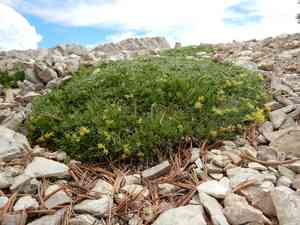
Shoshone carrot (Shoshonea pulvinata)
Also known as: none
The Shoshone carrot is unmistakable when growing in open areas due to its dense, cushion-like formations. However, in shaded regions, it can easily be confused with similar species.
In This Article
Attributes of Shoshone carrot
Lifespan
Perennial
Plant Type
Herb
Plant Height
5-10 cm
Spread
varies as it forms cushion-like mats
Leaf Color
Green Blue
Flower Size
0.5-1 cm
Flower Color
Pale Yellow
Images of Shoshone carrot
Quickly Identify Shoshone carrot
1
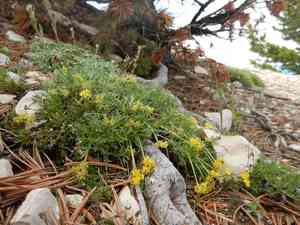
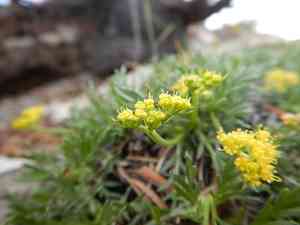
Identify Shoshonea pulvinata by its densely tufted growth form, finely divided, hair-covered leaves, and pale yellow flowers which cluster together in a capitate arrangement. Observe its habitat in rocky mountain regions.
Scientific Classification of Shoshone carrot
Phylum
Vascular plants
Class
Dicotyledons
Order
Apiales
Family
Umbellifers
Genus
Shoshonea
Species
Shoshone carrot
Planting and Growing of Shoshone carrot
Care Difficulty
Moderate
Watering Schedule
Every 2 days
Sunlight Requirements
Partial sun
Sunshine Duration
6-10 hours
Ideal Temperature
60-75℉
Soil Type
Potting Mix, Peat Mix
Soil pH
6.5-7.5
Fertilizer Type
Balanced
Pruning Season
Spring, Summer
Pruning Area
Branches, Leaves
Pruning Frequency
2 times a year
Repotting Season
Spring
Pot Type
Plastic, Ceramic
 How to Water Shoshone carrot?
Shoshonea pulvinata requires a moderate amount of water, around 150 milliliters per session. The key is to ensure the soil is kept slightly damp but not soggy, allowing the top soil to dry out between waterings while keeping the root zone adequately moist.
What are the symptoms of an underwatered Shoshone carrot?
›
What should I do if my Shoshone carrot is not getting enough water?
›
What are the symptoms of an overwatered Shoshone carrot?
›
How to save an overwatered Shoshone carrot?
›
 What Are the Sunlight Requirements for Shoshone carrot?
Prefers partial sunlight, experiencing about 4-6 hours of filtered light daily. This balance enhances its growth form and foliage color.
What is the best way to ensure ideal light conditions?
›
How can you adjust the light for this plant if conditions aren't ideal?
›
What benefits does ideal lighting provide to Shoshonea pulvinata?
›
 What Is the Ideal Temperature Range for Shoshone carrot?
The ideal temperature range for Shoshonea pulvinata is between 60°F and 75°F. This range ensures optimal growth and health as it mimics the plant’s natural environment. Temperatures in this range allow for proper cellular function and photosynthesis, promoting robust development and flowering.
 What Soil is Best for Shoshone carrot?
Shoshonea pulvinata thrives in well-drained soils, as these prevent root rot by allowing excess water to escape easily. This drainage is crucial in maintaining optimal root health, ensuring robust growth. While nutrient-rich soil isn't critical, moderate nutrient availability helps this plant grow more vigorously. Balanced nutrients support essential biological processes, contributing to a more resilient plant structure. The ability to tolerate slightly alkaline conditions enables Shoshonea pulvinata to absorb nutrients efficiently. This pH level ensures the availability of key nutrients needed for sustained healthy foliage and flowers.
 How to Fertilize Shoshone carrot?
For Shoshonea pulvinata, the fertilizer amount should be moderate. Use approximately half the recommended dosage on the fertilizer label to avoid over-fertilizing, as this plant is adapted to nutrient-poor soils. Applying excessive nutrients can cause stress, leading to poor growth or other physiological problems.
 How to Prune Shoshone carrot?
Begin by identifying any dead, damaged, or diseased stems. These should be removed first, cutting them back to healthy tissue. Removing these ensures the plant doesn't waste energy on parts that are not viable. Carefully thin out overly dense areas of the plant to improve airflow and light penetration. This not only enhances the plant's appearance but also boosts overall health by allowing essential elements to reach inner foliage. Trim selectively to maintain the desired shape of the plant. This involves making cuts above a node, where new growth will eventually occur. Shaping ensures that the plant remains aesthetically pleasing and structurally sound.
 How to Propagate Shoshone carrot plant?
1
Start by preparing a well-draining soil mix suitable for Shoshonea pulvinata. The soil should be sandy or gritty, mimicking its natural habitat to promote successful germination and growth.
2
Scatter the seeds evenly across the soil surface in a prepared seed tray. Lightly press them into the soil without burying them too deep, as exposure to light is beneficial for germination.
3
Water the seeds gently to keep the soil moist but not saturated. Maintain a consistent moisture level until germination occurs, which may take several weeks.
 How to Repot Shoshone carrot plant?
1
Shoshonea pulvinata shows signs of needing a new pot when roots start emerging from the drainage holes, indicating it’s become root-bound. The soil also becomes too compacted or drains poorly, which limits nutrient uptake and can stunt growth. Optimal times for repotting are during the growing seasons of spring and summer when the plant is actively growing.
2
Select a new pot that is 1-2 inches larger in diameter than the current pot to allow growth without overwhelming the plant. Ensure the pot has multiple drainage holes, as this plant thrives in well-aerated environments and is susceptible to root rot in stagnant soil. Choosing a terra cotta pot can enhance air flow and aid in moisture control.
3
Opt for a potting mix that is sharply draining, like a cactus or succulent mix. This type of soil mimics the plant's natural rocky habitat, providing optimal conditions for root health by ensuring excess water drains quickly and preventing water-logged roots, which can cause root diseases.
Learn More About Shoshone carrot Diseases
Bacterial Leaf Spot
Bacterial Soft Rot
Chemical Injury
Crown Gall
Cyst Nematode
Damping-off
Downy Mildew
Drought Stress
Fusarium Wilt
Gray Mold
Leaf Spot
Mosaic
Nutrient Deficiency
Nutrient Toxicity
Powdery Mildew
Root Rot
Root-knot Nematode
Rusts
Sooty Mold
Spider Mites
Temperature Stress
Thrips Damage
White Mold



