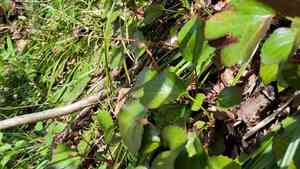
Nippon bells (Shortia uniflora)
Also known as: Oconee Bells
Nippon bells (Shortia uniflora) are perennial herbs indigenous to Japanese woodlands. While they bear a resemblance to Oconee bells (Shortia galacifolia), several key differences set them apart. Nippon bells possess smaller, leathery leaves and boast larger, more intricately fringed pink flowers. These characteristics make them an appealing choice for spring and summer garden décor.
In This Article
Attributes of Nippon bells
Lifespan
Perennial
Plant Type
Herb
Plant Height
4 to 8 inches (10 to 20 cm)
Spread
6 to 12 inches (15 to 30 cm)
Leaf Color
Dark green
Flower Size
1 to 1.5 inches (2.5 to 3.8 cm)
Flower Color
White to pale pink
Images of Nippon bells
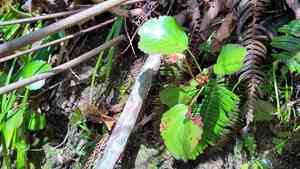
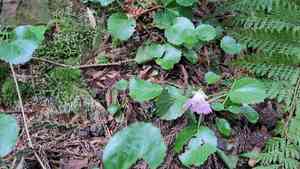
Quickly Identify Nippon bells
1
Shortia uniflora can be identified by its leathery, evergreen leaves that are oval to circular and finely serrated along the edges. The flowers are solitary, typically white or pale pink, and bell-shaped, appearing on leafless stems early in the spring.
Scientific Classification of Nippon bells
Phylum
Vascular plants
Class
Dicotyledons
Order
Ericales
Family
Diapensia
Genus
Shortia
Species
Nippon bells
Planting and Growing of Nippon bells
Care Difficulty
Hard
Watering Schedule
Every 3 days
Sunlight Requirements
Partial sun
Sunshine Duration
6-10 hours
Ideal Temperature
50-70℉
Soil Type
Potting Mix, Peat Mix
Soil pH
5.5-6.5
Fertilizer Type
Balanced
Pruning Season
Spring, Summer
Pruning Area
Branches, Leaves
Pruning Frequency
2 times a year
Repotting Season
Spring
Pot Type
Plastic, Terracotta
 How to Water Nippon bells?
For Shortia uniflora, it's crucial to maintain a moist but not waterlogged environment. Each watering should provide approximately 150 ml of water. Ensure the soil is evenly moist to mimic its natural environment, similar to the damp forests it originates from.
What are the symptoms of an underwatered Nippon bells?
›
What should I do if my Nippon bells is not getting enough water?
›
What are the symptoms of an overwatered Nippon bells?
›
How to save an overwatered Nippon bells?
›
 What Are the Sunlight Requirements for Nippon bells?
Partial sun to full shade provides the best balance of light for Shortia uniflora, encouraging healthy growth and minimizing the risk of sun damage. This lighting condition promotes natural bloom cycles and robust foliage.
Ideal Lighting for Shortia uniflora
›
Solutions for Optimal Lighting
›
Benefits of Ideal Lighting
›
 What Is the Ideal Temperature Range for Nippon bells?
Shortia uniflora thrives best in temperatures between 50°F and 70°F. This range supports healthy growth and flowering by providing a stable environment that mimics its natural habitat. Maintaining this temperature ensures that the plant's physiological processes operate efficiently.
 What Soil is Best for Nippon bells?
Shortia uniflora thrives in well-drained soil, preventing waterlogging that can lead to root rot. Proper drainage ensures healthy root systems, promoting vigorous growth and vibrant foliage. This plant favors acidic soil, which enhances nutrient availability. The acidity ensures essential nutrients like iron and manganese remain accessible, supporting lush and healthy growth. A balance of moisture retention and aeration is ideal for Shortia uniflora. This ensures the plant remains hydrated while roots receive sufficient oxygen, fostering robust development.
 How to Fertilize Nippon bells?
Shortia uniflora prefers a balanced fertilization approach. Apply a diluted liquid fertilizer at half the recommended strength to ensure the roots absorb nutrients without causing stress. For slow-release fertilizers, use sparingly by following the product's suggested dosage for similar woodland plants.
 How to Prune Nippon bells?
Start by identifying and removing any dead or damaged leaves and stems. Then, focus on shaping the plant by selectively trimming back branches to maintain its desired size and form. Cutting at a slight angle above a healthy bud encourages new growth. Regular observation helps pinpoint any areas that may need more attention in future pruning sessions. Pruning during late spring or early summer is ideal as it allows the plant to recover and regrow during its active growth period. Avoid pruning during the autumn or winter when the plant is dormant, as this can expose it to unnecessary stress and potential frost damage.
More About Pruning Techniques→
 How to Propagate Nippon bells plant?
1
Sow the seeds on the surface of a well-draining seed starting mix. Lightly cover with a thin layer of the mix and mist gently. Keep the trays in a warm area with indirect light, maintaining consistent moisture levels.
2
Choose healthy stems and make a clean cut below a node. Remove the lower leaves and dip the cut end in rooting hormone. Plant the cutting in a pot with moist potting mix, and place in a humid environment to encourage rooting.
3
Carefully dig up the parent plant and gently separate it into smaller sections, making sure each section has roots attached. Replant the divisions in prepared soil beds or containers, water well, and provide shade initially.
 How to Repot Nippon bells plant?
1
Shortia uniflora should be repotted when you notice its roots start crowding out the drainage holes of the pot or when it shows slow growth due to nutrient depletion. The best time is during spring or autumn when the plant is in its active growing phase but not in extreme heat or cold.
2
Choose a pot that is slightly larger than the current one with good drainage holes. The ideal material is clay, as it allows for moisture evaporation and keeps the soil from becoming waterlogged, providing a stable environment for Shortia uniflora's roots.
3
Select acidic, well-draining soil rich in organic matter. Such soil replicates the natural habitat of Shortia uniflora, providing the perfect balance of moisture and aeration. This prevents root rot and supports healthy plant growth.



