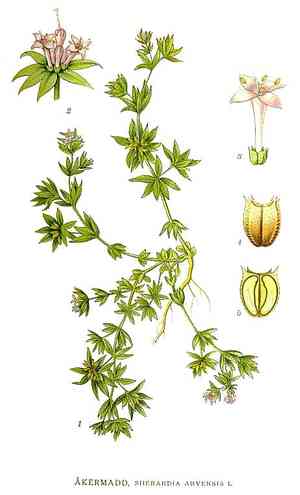
Sherardia (Sherardia) (Sherardia)
Also known as: Field Madder
Sherardia, a small genus with just one species, is generally more detrimental than beneficial to humans. While its roots can occasionally be used to produce red dye, Sherardia is primarily seen as an invasive weed. It thrives in open and disturbed areas, competing with crops and native plants in pastures and fields globally, thereby posing a threat to agricultural productivity and ecosystem balance.
In This Article
Attributes of Sherardia (Sherardia)
Lifespan
Perennial
Plant Height
5-30 cm
Spread
N/A
Leaf Color
Green
Flower Size
0.3-0.5 cm
Flower Color
Bluish-purple
Images of Sherardia (Sherardia)
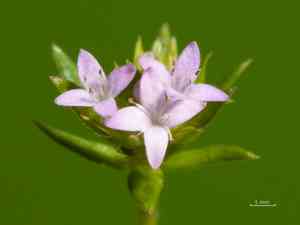
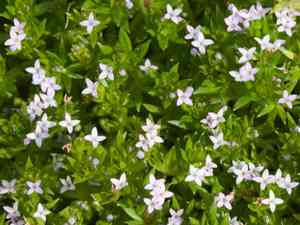
Quickly Identify Sherardia (Sherardia)
1
Sherardia can be identified by its small, square stems, opposite leaves, and tiny cluster of bluish-purple flowers. The leaves are in whorls of four to six, and the plant has a growing habit that spreads along the ground.
Scientific Classification of Sherardia (Sherardia)
Phylum
Magnoliophyta
Class
Magnoliopsida
Order
Gentianales
Family
Rubiaceae
Genus
Sherardia
Planting and Growing of Sherardia (Sherardia)
Care Difficulty
Moderate
Watering Schedule
Every 2 days
Sunlight Requirements
Full sun
Sunshine Duration
6-10 hours
Ideal Temperature
60-75℉
Soil Type
Potting Mix, Peat Mix
Soil pH
6.5-7.5
Fertilizer Type
Balanced
Pruning Season
Spring, Summer
Pruning Area
Branches, Leaves
Pruning Frequency
2 times a year
Repotting Season
Spring
Pot Type
Plastic, Ceramic
 How to Water Sherardia (Sherardia)?
Sherardia prefers well-draining soil and should be watered so that the soil is consistently moist but never waterlogged. Aim to give about 250 ml of water each time, ensuring the top inch of soil dries out between waterings.
What are the symptoms of an underwatered Sherardia (Sherardia)?
›
What should I do if my Sherardia (Sherardia) is not getting enough water?
›
What are the symptoms of an overwatered Sherardia (Sherardia)?
›
How to save an overwatered Sherardia (Sherardia)?
›
 What Are the Sunlight Requirements for Sherardia (Sherardia)?
Sherardia thrives in partial to full sunlight, benefiting from 4-6 hours of light. Ample light encourages plentiful blooms and robust foliage.
Question: What is the best light type for Sherardia?
›
Question: How can I provide Sherardia with the right amount of light indoors?
›
Question: What are some ways to increase light exposure for Sherardia in a shaded garden?
›
 What Is the Ideal Temperature Range for Sherardia (Sherardia)?
Sherardia, like many temperate plants, thrives best within a specific temperature range. Maintaining temperatures between 60°F and 75°F ensures that it can perform photosynthesis optimally, leading to healthy growth and blooming. This range provides the balance of warmth without the risk of heat stress or cold damage, ensuring the plant's metabolic processes function efficiently.
 What Soil is Best for Sherardia (Sherardia)?
Sherardia prefers well-drained soil to prevent waterlogging, which can cause root rot. This type of soil allows for optimal root growth and nutrient absorption, increasing the plant's health and vigor. This plant benefits from soil that is rich in nutrients, as it supports the healthy development of foliage and flowers. Adding organic matter such as compost can enhance the nutrient content and encourage robust growth. Sherardia doesn't require highly fertile soil but benefits from moderate nutrient levels. Proper fertility levels promote steady growth without causing excessive foliage at the expense of flowers.
 How to Fertilize Sherardia (Sherardia)?
Sherardia, being a compact and delicate plant, requires modest fertilization, so a liquid fertilizer diluted to half strength should be applied. For slow-release fertilizers, a gentle sprinkle around the base is ideal, ensuring the granules don't clump excessively.
 How to Prune Sherardia (Sherardia)?
Begin by removing any dead, damaged, or diseased stems, cutting back to the healthy part of the plant. This will help prevent the spread of disease and encourage the plant to redirect energy into developing healthier growth. Trim the outer stems to shape the plant as desired, keeping in mind its natural growth pattern. Aim to create a balanced outline, avoiding cuts that could lead to awkward or uneven future growth. To encourage a bushier appearance, trim stems just above leaf nodes or buds. This action stimulates branching at the cut points, leading to a denser and more lush-looking plant.
 How to Propagate Sherardia (Sherardia) plant?
1
Harvest mature seeds from the Sherardia plant in late summer to early autumn. Thoroughly dry them before storage to prevent mold and ensure viability for later planting.
2
Use pruning shears to take cuttings from a healthy Sherardia plant. Cut 4-6 inch segments from non-flowering shoots. Remove the lower leaves to prepare the cuttings for rooting.
3
Fill a seed tray with a suitable seed-starting mix and sow the Sherardia seeds. Lightly cover them with soil and maintain consistent moisture to promote germination. Place the tray in a warm, sunny location.
 How to Repot Sherardia (Sherardia) plant?
1
Look for signs such as roots poking out from drainage holes, slowed growth, or wilting despite proper watering. These indicators suggest the plant has outgrown its pot and requires a new, larger space to thrive.
2
Select a pot that is about 2 inches larger in diameter than the current one. This provides adequate space for root expansion without overwhelming the plant. A pot with drainage holes is essential to prevent water stagnation and root rot.
3
Opt for a light, well-draining soil mix to prevent waterlogging. This type of soil allows air circulation around roots, promoting healthy growth and reducing the risk of fungal infections. Mix peat, perlite, and a bit of coarse sand for a balanced composition.
Learn More About Sherardia (Sherardia) Diseases
Anthracnose
Bacterial Leaf Spot
Bacterial Soft Rot
Bacterial Wilt
Black Spot
Chemical Injury
Crown Gall
Cyst Nematode
Damping-off
Downy Mildew
Drought Stress
Fusarium Wilt
Gray Mold
Leaf Curl
Leaf Spot
Mosaic
Nutrient Deficiency
Nutrient Toxicity
Powdery Mildew
Root Rot
Root-knot Nematode
Rusts
Sooty Mold
Spider Mites
Temperature Stress
Thrips Damage
White Mold

