Streambed bristlegrass (Setaria leucopila)
Also known as: Plains bristlegrass
Plains bristlegrass, scientifically known as Setaria leucopila, is found in the high-elevation prairies of the western United States. This grass typically grows in clumps and can reach heights of up to 2 meters. It is also valued as a good forage option for livestock.
In This Article
Attributes of Streambed bristlegrass
Lifespan
Perennial
Plant Type
Grass
Plant Height
10 cm to 99 cm
Spread
Not applicable for grasses
Leaf Color
Green
Flower Size
1 cm to 1.5 cm
Flower Color
White Yellow Green Brown
Images of Streambed bristlegrass
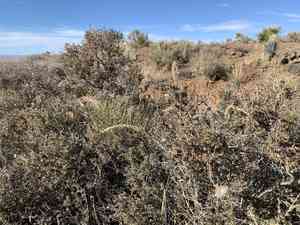
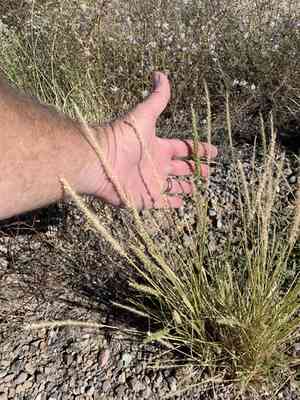
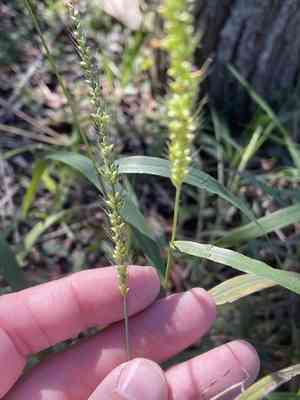
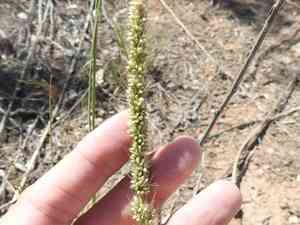
Quickly Identify Streambed bristlegrass
1
Identification skills include noting its bristly seed head, which is a characteristic feature. The seed head is typically cylindrical and resembles a bottlebrush. The stems are erect, and the leaves are linear and rough to the touch.
Scientific Classification of Streambed bristlegrass
Phylum
Vascular plants
Class
Monocotyledons
Order
Poales
Family
Grass
Genus
Bristle grasses
Species
Streambed bristlegrass
Planting and Growing of Streambed bristlegrass
Care Difficulty
Easy
Watering Schedule
Every 2 days
Sunlight Requirements
Full sun
Sunshine Duration
6-10 hours
Ideal Temperature
68-86℉
Soil Type
Potting Mix, Peat Mix
Soil pH
6.5-7.5
Fertilizer Type
Balanced
Pruning Season
Spring, Summer
Pruning Area
Branches, Leaves
Pruning Frequency
2 times a year
Repotting Season
Spring
Pot Type
Plastic, Ceramic
 How to Water Streambed bristlegrass?
For Setaria leucopila, a native desert grass, a moderate soak of about 500ml is sufficient during watering. The key is to ensure the water reaches the root zone without making the soil waterlogged. This promotes deep root growth, essential for its drought-resistant nature.
What are the symptoms of an underwatered Streambed bristlegrass?
›
What should I do if my Streambed bristlegrass is not getting enough water?
›
What are the symptoms of an overwatered Streambed bristlegrass?
›
How to save an overwatered Streambed bristlegrass?
›
 What Are the Sunlight Requirements for Streambed bristlegrass?
Setaria leucopila performs best in environments providing full sun to partial shade, facilitating vigorous growth and enhancing its drought-resilient characteristics, crucial for long-term vitality.
What conditions are ideal for Setaria leucopila?
›
How can you ensure Setaria leucopila gets ideal lighting?
›
What are the benefits of ideal lighting for this plant?
›
 What Is the Ideal Temperature Range for Streambed bristlegrass?
The ideal temperature range for Setaria leucopila is between 68°F and 86°F. This range provides the best conditions for growth and development, ensuring that the plant receives enough warmth without the risk of overheating or stress. These temperatures typically coincide with the plant's native environments, offering optimal energy levels for photosynthesis and normal plant processes.
 What Soil is Best for Streambed bristlegrass?
Setaria leucopila thrives in well-drained soil, which facilitates water drainage and air circulation. This minimizes the risk of root rot and helps maintain healthy root systems for vigorous growth. The plant prefers soil with moderate fertility, which supports robust growth without over-fertilizing, ensuring optimal nutrient availability without causing excessive vegetative growth. Adequate aeration allows the roots to access oxygen efficiently, promoting healthy root development and preventing compaction effects often lethal to the plant’s health.
 How to Fertilize Streambed bristlegrass?
For Setaria leucopila, it’s important to apply fertilizers judiciously. A weak liquid fertilizer should be diluted to half its strength. For granular fertilizers, opt for a light sprinkling ensuring even coverage around the plant base. Overfeeding can cause harm, so moderation is key.
 How to Prune Streambed bristlegrass?
Begin by observing the plant to identify which stems are dead or too long. These are typically brown and may not have healthy leaves attached to them. Make your cuts at a slight angle just above a node or bud. This encourages new growth and a fuller appearance. Be strategic in your approach to maintain a natural shape. After pruning, collect all clippings and dispose of them properly. Leaving them around the plant might attract pests or lead to fungal infections.
More About Pruning Techniques→
 How to Propagate Streambed bristlegrass plant?
1
Before planting, prepare a fine seed bed by loosening the soil and removing any weeds. This ensures the seedlings have enough space and nutrients to grow properly.
2
Sow the seeds evenly across the surface of the soil. Cover them lightly with a thin layer of soil or compost and water gently to avoid displacing the seeds.
3
Dig up mature clumps carefully and use a sharp knife or spade to divide the root ball. Replant the divisions promptly in prepared soil to ensure successful growth.
 How to Repot Streambed bristlegrass plant?
1
Setaria leucopila, or plains bristlegrass, should be repotted when you notice roots emerging from the drainage holes or if the soil is drying out much faster than usual. This typically indicates that the plant has outgrown its current pot. It's crucial to avoid repotting during its dormant period, as this can shock the plant and impede its growth.
2
Select a pot that is one size larger than the current one, preferably made of porous materials like clay. This assists in better moisture regulation and allows excess water to evaporate more easily, reducing the chance of waterlogging. Ensure it has ample drainage holes to facilitate proper water flow and prevent root rot.
3
Opt for a well-draining sandy loam mix that mimics Setaria leucopila’s natural habitat. The right soil not only supports root development but also ensures proper aeration and moisture retention, preventing compacting and enhancing plant health and growth.
Learn More About Streambed bristlegrass Diseases
Anthracnose
Bacterial Leaf Spot
Bacterial Wilt
Chemical Injury
Cyst Nematode
Damping-off
Downy Mildew
Drought Stress
Fusarium Wilt
Gray Mold
Leaf Spot
Mosaic
Nutrient Deficiency
Nutrient Toxicity
Powdery Mildew
Root Rot
Root-knot Nematode
Rusts
Sooty Mold
Spider Mites
Temperature Stress
Thrips Damage



