
Blue moor-grass (Sesleria caerulea)
Also known as: Blue Moor Grass, Blue Sesleria
Blue moor-grass can be confused with other species like Alpine Cat's-tail and Purple Stem Cat's-tail due to their similar appearance. However, blue moor-grass is generally shorter and thrives in limestone soils, not acidic ones. Despite its name, it features green leaves and purple flowers. Additionally, it serves as a food source for the caterpillars of the Scotch Argus butterfly.
In This Article
Attributes of Blue moor-grass
Lifespan
Perennial
Plant Type
Grass
Plant Height
10 cm to 50 cm
Spread
10 cm to 50 cm
Leaf Color
Green Blue
Flower Size
5 mm to 1.2 cm
Flower Color
Green Purple Yellow Black Violet
Images of Blue moor-grass

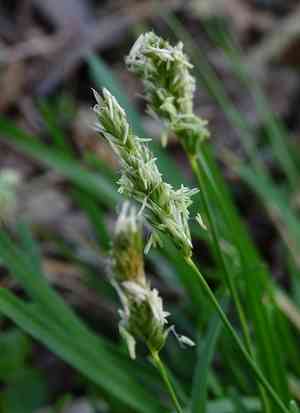
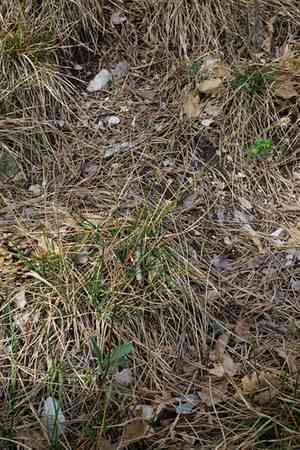
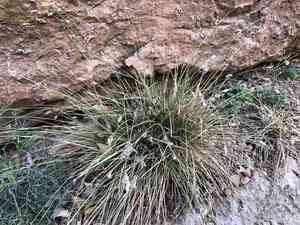
Quickly Identify Blue moor-grass
1
Bicolored leaves: green upper side, bluish-white underside, creating an overall blue hue.
2
Dark purple flower spikes with yellow anthers in spring, transitioning to silvery inflorescences.
3
Narrow, twisting leaves measuring 4-9 inches (10-23 cm) long with vibrant green upper side and powdery blue underside.
Scientific Classification of Blue moor-grass
Phylum
Vascular plants
Class
Monocotyledons
Order
Poales
Family
Grass
Genus
Sesleria
Species
Blue moor-grass
Planting and Growing of Blue moor-grass
Care Difficulty
Easy
Watering Schedule
Every 2 days
Sunlight Requirements
Partial sun
Sunshine Duration
4-8 hours
Ideal Temperature
60-75℉
Soil Type
Potting Mix, Peat Mix
Soil pH
6.5-7.5
Fertilizer Type
Balanced
Pruning Season
Spring, Summer
Pruning Area
Branches, Leaves
Pruning Frequency
2 times a year
Repotting Season
Spring
Pot Type
Plastic, Ceramic
 How to Water Blue moor-grass?
Sesleria caerulea prefers moderate watering. Ensure the soil is evenly moist but not soggy. Water with approximately 250 ml each time, checking that excess moisture drains thoroughly. Avoid waterlogging, as it can be detrimental.
What are the symptoms of an underwatered Blue moor-grass?
›
What should I do if my Blue moor-grass is not getting enough water?
›
What are the symptoms of an overwatered Blue moor-grass?
›
How to save an overwatered Blue moor-grass?
›
 What Are the Sunlight Requirements for Blue moor-grass?
Sesleria caerulea thrives in partial to full sunlight. Proper lighting invigorates its development, enhancing foliage color and stimulating strong, compact growth essential for its ornamental appeal.
More About Sunlight Requirements Techniques→
What is the optimal lighting for Sesleria caerulea?
›
How can I ensure Sesleria caerulea gets enough light exposure?
›
What are the benefits of ideal lighting conditions for Sesleria caerulea?
›
 What Is the Ideal Temperature Range for Blue moor-grass?
The ideal temperature range for the growth of Sesleria caerulea is between 60°F and 75°F. This range provides a conducive environment for the plant to undertake photosynthesis, nutrient uptake, and other metabolic processes effectively. Consistent temperatures within this range help prevent stress and encourage robust growth.
 What Soil is Best for Blue moor-grass?
Sesleria caerulea thrives in well-drained soil conditions that prevent water stagnation. This is crucial as it reduces the risk of root rot and fungal diseases, allowing the plant to establish strong roots for optimal growth. This plant flourishes in soil rich in essential nutrients and minerals. Enriched loam with moderate fertility supports lush growth and helps the plant attain its characteristic vibrant green and blue-hued foliage. Soil that retains moderate moisture provides a balance between ensuring the roots are not dry while not being waterlogged. Sesleria caerulea benefits from this balance as it mimics its natural habitat conditions, promoting healthy foliage and flowering.
 How to Fertilize Blue moor-grass?
The recommended amount of fertilizer for Sesleria caerulea should be moderate. During the growing season, apply a balanced liquid fertilizer at half the strength every two weeks. Be sure not to over-fertilize, as the delicate balance of nutrients is essential for its health.
 How to Prune Blue moor-grass?
Ensure you have sharp, clean shears before starting. This helps make precise cuts and minimizes the risk of disease transmission. Examine your Sesleria caerulea, identifying any dead or damaged foliage. Carefully trim these parts to improve air circulation and light penetration within the plant. While trimming, aim to maintain a natural, symmetrical shape. Make cuts at a slight angle to facilitate water runoff and promote quicker healing of the plant tissues.
More About Pruning Techniques→
 How to Propagate Blue moor-grass plant?
1
Collect mature seeds and sow them thinly on the surface of a well-draining seed starting mix. Cover lightly with soil and water gently. Keep the trays in a warm bright place, ensuring the soil remains moist but not wet.
2
Carefully dig around a mature Sesleria caerulea clump and lift it from the ground. Use your hands or a knife to separate the clump into smaller sections, each with a good root system. Replant the divisions immediately.
3
Once seeds have germinated or divisions have been replanted, ensure consistent moisture in the soil. Maintain a moderate temperature and provide protection from direct harsh sunlight until plants are established.
 How to Repot Blue moor-grass plant?
1
Recognizing when to repot your Sesleria caerulea is essential for its health. Look for signs like roots emerging from the pot's drainage holes or the plant's growth becoming sluggish. Another indicator is if water sits on the surface too long after watering. These signs suggest that the plant needs more space and fresh soil to thrive.
2
When selecting a new pot for Sesleria caerulea, opt for one that is slightly larger, about an inch in diameter wider than the current one. Ensure it has sufficient drainage holes to prevent waterlogging, which can lead to root rot. Choosing a breathable material like terracotta can help in better oxygen exchange and moisture evaporation.
3
For Sesleria caerulea, a loamy, well-drained soil mix is ideal. This type of soil supports root aeration and prevents water retention that can cause root issues. Including some organic matter can also enhance soil fertility, providing essential nutrients that promote healthy plant growth.



