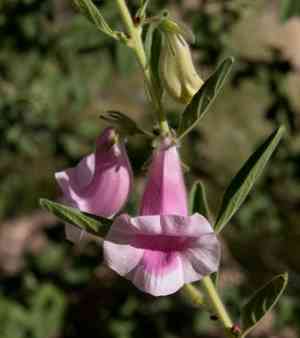
Sesamum (Sesamum) (Sesamum)
Also known as: Sesame, Benne
Sesamum plants, particularly Sesamum indicum, are annual herbs known for their versatile seeds. These seeds are extensively used in culinary applications, such as extracting sesame oil for cooking and flavoring. They can also be ground into flour or roasted for added flavor in various dishes. Beyond food, some species are utilized in producing soap and sunscreen. These self-pollinating plants have a long history of cultivation, dating back to around 2,500 B.C.
In This Article
Attributes of Sesamum (Sesamum)
Lifespan
Annual
Plant Height
Up to 2 meters (6.5 feet)
Spread
0.5 - 1 meter (1.5 - 3 feet)
Leaf Color
Green
Flower Size
2 to 3 centimeters (0.8 to 1.2 inches)
Flower Color
White to pale pink or purple
Images of Sesamum (Sesamum)
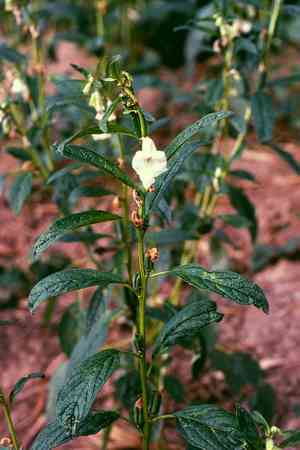

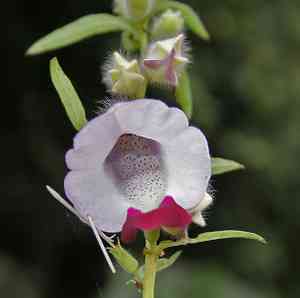
Quickly Identify Sesamum (Sesamum)
1
Sesamum can be identified by its tall, erect, annual herbaceous form. The plant has hairy, ridged stems, and leaves that range from ovate to lanceolate with serrated margins.
Scientific Classification of Sesamum (Sesamum)
Phylum
Magnoliophyta
Class
Magnoliopsida
Order
Lamiales
Family
Pedaliaceae
Genus
Sesamum
Planting and Growing of Sesamum (Sesamum)
Care Difficulty
Easy
Watering Schedule
Every 3 days
Sunlight Requirements
Full sun
Sunshine Duration
6-8 hours
Ideal Temperature
70-86℉
Soil Type
Potting Mix, Peat Mix
Soil pH
6.5-7.5
Fertilizer Type
Balanced
Pruning Season
Spring, Summer
Pruning Area
Branches, Leaves
Pruning Frequency
Once a year
Repotting Season
Spring
Pot Type
Plastic, Ceramic
 How to Water Sesamum (Sesamum)?
For Sesamum, a general rule of thumb is to provide enough water to thoroughly moisten the root zone, roughly 250 ml per session. You want to ensure the soil is evenly wet but not soggy, allowing for adequate drainage.
What are the symptoms of an underwatered Sesamum (Sesamum)?
›
What should I do if my Sesamum (Sesamum) is not getting enough water?
›
What are the symptoms of an overwatered Sesamum (Sesamum)?
›
How to save an overwatered Sesamum (Sesamum)?
›
 What Are the Sunlight Requirements for Sesamum (Sesamum)?
The ideal light range is full sun. Optimal lighting accelerates Sesamum’s growth, promotes flowering, and enhances seed yield and quality.
What is the best lighting condition for Sesamum?
›
How can I ensure ideal light conditions?
›
What benefits do ideal light conditions provide?
›
 What Is the Ideal Temperature Range for Sesamum (Sesamum)?
Sesamum, commonly known as sesame, thrives best in warm climates. The ideal temperature range for its growth is between 70°F and 86°F. These temperatures ensure optimal photosynthesis rates, nutrient uptake, and overall plant metabolism, which contribute to healthy growth and high yield.
 What Soil is Best for Sesamum (Sesamum)?
Sesamum prefers soil that allows water to pass through quickly, helping prevent root rot and waterlogging. This condition ensures the plant receives the right nutrients without being overwhelmed by moisture, promoting healthy root growth. Providing Sesamum with a soil rich in organic matter enhances its growth potential. Nutrients like nitrogen, phosphorus, and potassium are crucial for robust plant development and produce high-quality seeds. Sesamum thrives in moderately fertile soil, which supports optimal growth without promoting excessive vegetative growth at the expense of seed production. Balanced fertility ensures the plant stays healthy and productive.
 How to Fertilize Sesamum (Sesamum)?
For Sesamum, the appropriate fertilizer amount is approximately one tablespoon per gallon of water for liquid fertilizers. For solid, slow-release fertilizers, aim for about 2 pounds per 100 square feet, ensuring the nutrients are evenly distributed across the planting area.
 How to Prune Sesamum (Sesamum)?
Begin by sanitizing your pruning shears with a solution of one part bleach to nine parts water. This prevents the spread of pathogens and protects plant health. Assess the plant for any dead or discolored stems. Start by removing dead or damaged branches, cutting at a 45-degree angle just above a node or lateral branch. Focus on sections that look overcrowded to allow sunlight into the inner parts of the plant. After pruning, water the plant thoroughly and apply a balanced fertilizer to aid recovery. Mulch around the base to conserve moisture and provide a burst of nutrients as the mulch decomposes.
 How to Propagate Sesamum (Sesamum) plant?
1
Fill the seed tray with a quality potting mix, ensuring it's evenly distributed. Moisten the mix slightly before sowing to facilitate seed germination and avoid disturbing the seeds after they're placed on the surface.
2
Sow the sesame seeds thinly and evenly over the surface of the potting mix. Gently press them down to ensure contact with the soil but do not bury them deep. Light exposure aids in their germination.
3
Place the seed trays in a warm, bright location, but avoid direct sunlight. Consistent warmth, ideally around 70-75°F, and regular moisture are key to successful germination.
 How to Repot Sesamum (Sesamum) plant?
1
Sesamum should be repotted when you notice roots growing out of the drainage holes or when growth seems stunted despite proper care. Another sign is when the soil dries out too quickly after watering.
2
Choose a pot that is only slightly larger than the current one to prevent overwatering. A pot with drainage holes is crucial as it prevents water from accumulating at the bottom, which helps keep the roots healthy.
3
Opt for a well-draining soil mix with a sandy texture. This allows excess water to drain efficiently, reducing the risk of root rot and ensuring that the roots have access to adequate oxygen.
Learn More About Sesamum (Sesamum) Diseases
Anthracnose
Bacterial Leaf Spot
Bacterial Wilt
Damping-off
Downy Mildew
Drought Stress
Fusarium Wilt
Gray Mold
Leaf Curl
Leaf Spot
Mosaic
Nutrient Deficiency
Nutrient Toxicity
Powdery Mildew
Root Rot
Root-knot Nematode
Rusts
Sooty Mold
Spider Mites
Temperature Stress
Thrips Damage
White Mold
Chemical Injury

