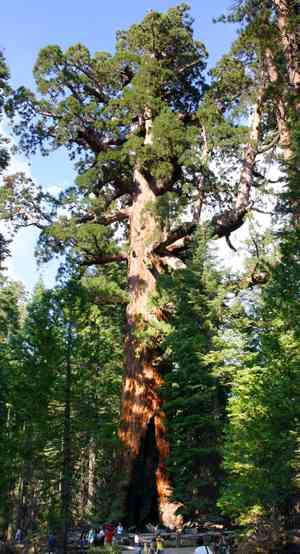
Giant sequoia (Sequoiadendron giganteum)
Also known as: Bigtree, Sierra redwood
The Giant Sequoia (*Sequoiadendron giganteum*) is renowned as the largest tree species on Earth. This redwood is native to California's Sierra Nevada region. Some of the oldest recorded Giant Sequoias are over 3,000 years old.
In This Article
Attributes of Giant sequoia
Lifespan
Perennial
Plant Type
Tree
Plant Height
50 m to 85 m
Spread
8 m to 18 m
Leaf Color
Green Blue
Flower Size
N/A
Flower Color
Yellow Green
Images of Giant sequoia

Quickly Identify Giant sequoia
1
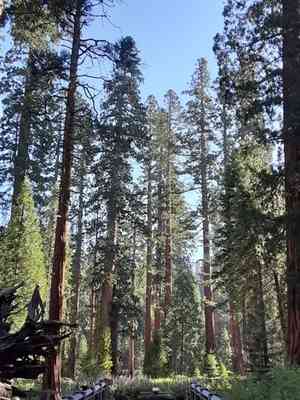
Towering height of 30-91 meters (100-300 feet), distinguishing it as one of the tallest trees.
2
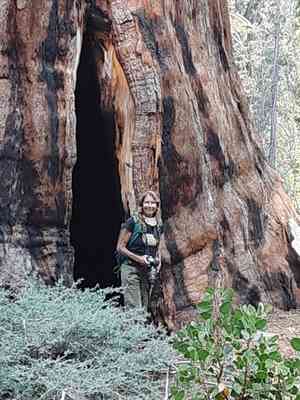
Distinct reddish-brown, deeply furrowed, fibrous bark contributes to its rugged appearance.
3
Blue-green scale-like leaves with acute, awl-shaped tips, unique in conifer identification.
4
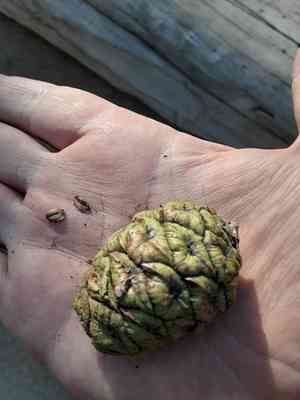
Oval, woody cones measuring 5 cm (2 inches) long, pivotal for reproduction and recognition.
5
Robust trunk with a diameter of 4.5-6 meters (15-20 feet), showcasing immense girth and grandeur.
Scientific Classification of Giant sequoia
Phylum
Vascular plants
Class
Conifers
Order
Pines and allies
Family
Cypress
Genus
Giant sequoia
Species
Giant sequoia
Planting and Growing of Giant sequoia
Care Difficulty
Hard
Watering Schedule
Every 2 days
Sunlight Requirements
Full sun
Sunshine Duration
4-6 hours
Ideal Temperature
50-70℉
Soil Type
Potting Mix, Peat Mix
Soil pH
6.5-7.5
Fertilizer Type
Balanced
Pruning Season
Spring, Summer
Pruning Area
Branches, Leaves
Pruning Frequency
2 times a year
Repotting Season
Spring
Pot Type
Plastic, Ceramic
 How to Water Giant sequoia?
For Sequoiadendron giganteum, the watering principle is to ensure the soil remains consistently moist but not waterlogged. Aim for around 10,000 milliliters of water each session, thoroughly soaking the root zone. The soil should be moist to the touch but not muddy, and allow excess water to drain well.
More About Watering Techniques→
What are the symptoms of an underwatered Giant sequoia?
›
What should I do if my Giant sequoia is not getting enough water?
›
What are the symptoms of an overwatered Giant sequoia?
›
How to save an overwatered Giant sequoia?
›
 What Are the Sunlight Requirements for Giant sequoia?
Sequoiadendron giganteum ideally thrives in full sun, benefiting from consistent daily light exposure. Ideal light ensures strong growth, vibrant color, and resistance to pests and diseases.
More About Sunlight Requirements Techniques→
What is the optimal light condition for Sequoiadendron giganteum?
›
How can I ensure my Sequoiadendron giganteum gets the ideal light?
›
What are the benefits of ideal lighting for Sequoiadendron giganteum?
›
 What Is the Ideal Temperature Range for Giant sequoia?
The ideal temperature range for Sequoiadendron giganteum, commonly known as giant sequoia, is between 50°F and 70°F. This range ensures optimal growth conditions as it mimics the temperate climate of its native habitat in the Sierra Nevada mountains. Within this temperature range, the plant can efficiently carry out photosynthesis and other metabolic processes.
 What Soil is Best for Giant sequoia?
Sequoiadendron giganteum thrives in well-drained soil, preventing root rot and promoting healthy growth. Ample drainage ensures that water does not stagnate, avoiding stress or fungal infections in this magnificent tree. This giant sequoia prefers soil rich in organic matter, supporting its nutrient needs and encouraging robust growth. Organic content improves soil structure and enhances water retention capabilities without causing waterlogging. Adequate soil moisture is crucial for Sequoiadendron giganteum as it supports sustained growth. Balance in soil moisture prevents dehydration in summer and root suffocation in winter, benefiting its long-term health.
More About Soil→
 How to Fertilize Giant sequoia?
When fertilizing Sequoiadendron giganteum, it’s crucial to ensure the proper amount is applied to avoid over- or under-fertilizing. For established trees, apply approximately 1 to 2 pounds of nitrogen per 1,000 square feet. Ensure to distribute evenly around the root zone, extending to the drip line of the tree.
 How to Prune Giant sequoia?
Select the appropriate tools such as long-handled shears and saws for thicker branches. Before starting, clean all tools to prevent the spread of disease. Identify branches that need removal, such as those that are dead, diseased, or disrupt the tree's aesthetic shape. Begin at the base of the tree and work upwards. Remove any dead or broken branches using sharp, sterilized tools. It's crucial to make clean cuts near the branch collar without damaging it, as this promotes better healing and minimizes infection risks. Focus on maintaining the tree’s natural form by thinning out dense areas of the canopy to allow light and air to penetrate. This will help prevent fungal diseases and promote a balanced growth structure. Avoid drastic cuts that could unbalance the tree's shape.
More About Pruning Techniques→
 How to Propagate Giant sequoia plant?
1
Gather seeds from mature cones during late autumn. Ensure seeds are fully dried to avoid fungal growth during storage or planting.
2
Stratify seeds by placing them in a moist, cold environment for 1-3 months to break dormancy before planting in early spring.
3
Select healthy branches from mature trees in early summer, cut about 10-20 cm, and remove lower leaves before dipping in rooting hormone.
 How to Repot Giant sequoia plant?
1
Repot your Sequoiadendron giganteum when you notice roots protruding from the drainage holes or when the plant slows its growth. It's crucial during early Spring or late Summer to minimize stress. These seasons allow the plant to establish in a new pot before intense weather changes.
2
Select a pot that is 2 inches larger in diameter than the current one. Ensure it has sufficient drainage holes to prevent waterlogging. Using a slightly larger pot provides space for root expansion, enhancing the tree's overall health and vigor.
3
Opt for well-draining sandy loam soil. This type of soil mimics the tree's natural habitat, offering excellent drainage while retaining necessary nutrients. Proper soil choice reduces the risk of root rot and supports vibrant growth.



