
Sicklepod (Senna obtusifolia)
Also known as: American sicklepod, Blunt-leaf senna, Sickle senna, Coffeeweed, Coffee pod
Sicklepod (Senna obtusifolia) flourishes in warm climates with abundant sunlight, ideally in full sun exposure. It adapts well to various soil types, including rocky and nutrient-rich soils, but performs best in well-drained, sandy or loamy soils. While it prefers consistent moisture, it can tolerate drought conditions once established. The plant is an annual and tends to show more vigorous growth later in the growing season.
Attributes of Sicklepod
Images of Sicklepod

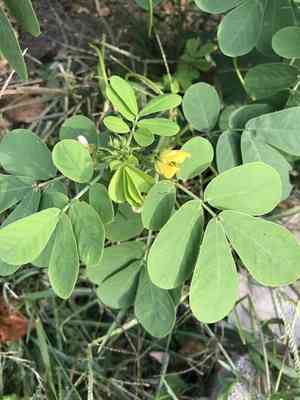
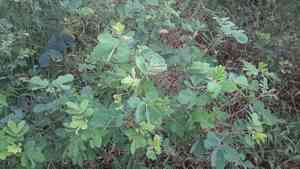
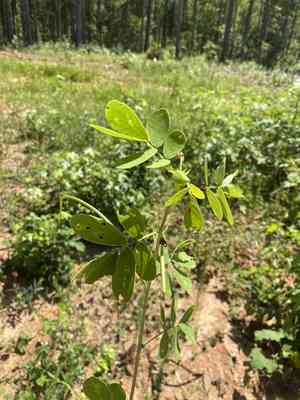
Quickly Identify Sicklepod
Scientific Classification of Sicklepod
Planting and Growing of Sicklepod
 How to Water Sicklepod?
 What Are the Sunlight Requirements for Sicklepod?
 What Is the Ideal Temperature Range for Sicklepod?
 What Soil is Best for Sicklepod?
 How to Fertilize Sicklepod?
 How to Prune Sicklepod?
 How to Propagate Sicklepod plant?
 How to Repot Sicklepod plant?
Toxicity of Sicklepod
Is Sicklepod toxic to humans?
Sicklepod poses a mild threat to humans, with the potential to inflict permanent heart damage if consumed in significant amounts. The entire plant contains toxic compounds such as anthraquinones and glycosides, while the seeds further harbor harmful toxalbumins like lectin, which lead to considerable digestive disturbances. A slight exposure can result in symptoms like nausea, vomiting, diarrhea, tremors, and weakness. Consuming a larger quantity of this plant leads to increasingly severe effects, including disorientation, poor coordination, difficulties in walking and speaking, muscle tremors and spasms, dark-colored urine, and potential collapse, which may culminate in heart failure. Prolonged intake of this plant can also inflict serious damage to muscles, liver, kidneys, and lungs, potentially resulting in fatality.
Is Sicklepod toxic to cat?
Sicklepod presents a minor toxicity risk for cats. If ingested in significant quantities, any part of the plant can lead to unfavorable reactions. Cats may display symptoms that signal physical distress or illness following consumption. It is vital for cat owners to keep a vigilant watch over their furry friends, especially if they can access regions where sicklepod is present. Should a cat show indications of poisoning, swift medical attention from a veterinary clinic is essential, as timely intervention is critical for their health and recuperation.
Is Sicklepod toxic to dog?
Sicklepod is known to have mild toxicity for dogs. Poisoning generally occurs when a large quantity of the plant is ingested. All parts of the sicklepod plant are deemed toxic and could pose a threat if consumed by dogs. Symptoms of intoxication may include gastrointestinal distress such as vomiting or diarrhea, lethargy, and other indicators of unease. It is vital for dog owners to keep a close watch on their pets and prevent their access to sicklepod. If a dog happens to ingest sicklepod, it is imperative to seek immediate veterinary care to effectively manage any potential symptoms.



