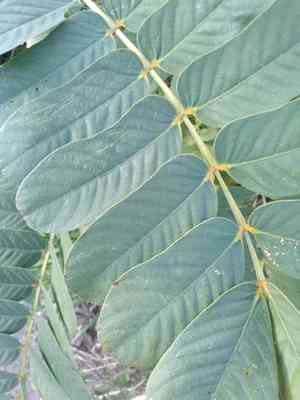
Emperor's candlesticks (Senna alata)
Also known as: Empress candle plant, Christmas candles, Winged senna, Carrion crow bush, Seven golden candles, Yellowtop weed
Emperor's candlesticks (Senna alata) is an annual that grows from 1.5 to 2.5 m tall. It has broad, evergreen leaves that were once used to treat ringworm. It grows in full sun with medium moisture. Flowers bloom in fall with blossoms that resemble yellow candles. Flowers give way to winged seedpods that add a colorful accent in winter.
In This Article
Attributes of Emperor's candlesticks
Lifespan
Perennial
Plant Type
Shrub
Plant Height
3 m to 4 m
Spread
3 m to 4.5 m
Leaf Color
Green
Flower Size
2.5 cm
Flower Color
Yellow Orange
Images of Emperor's candlesticks
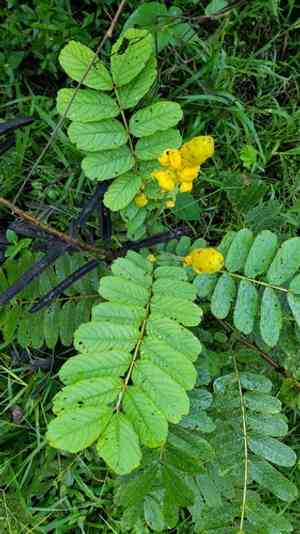
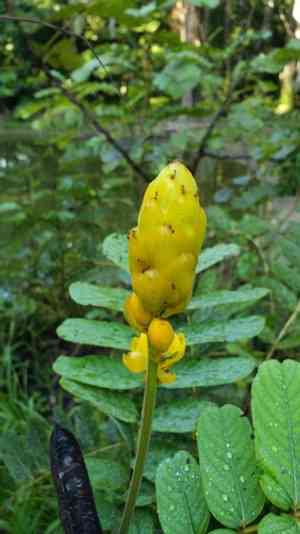
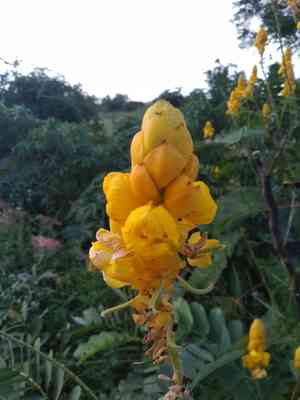
Quickly Identify Emperor's candlesticks
1
Look for tall, upright shrubs with bright yellow, candle-stick like flower spikes. The leaves are compound and pinnate, with pairs of leaflets that close at night.
Scientific Classification of Emperor's candlesticks
Phylum
Vascular plants
Class
Dicotyledons
Order
Fabales
Family
Legume
Genus
Sennas
Species
Emperor's candlesticks
Planting and Growing of Emperor's candlesticks
Care Difficulty
Easy
Watering Schedule
Every 2 days
Sunlight Requirements
Full sun
Sunshine Duration
4-6 hours
Ideal Temperature
75-85℉
Soil Type
Potting Mix, Peat Mix
Soil pH
6.5-7.5
Fertilizer Type
Balanced
Pruning Season
Spring, Summer
Pruning Area
Branches, Leaves
Pruning Frequency
2 times a year
Repotting Season
Spring
Pot Type
Plastic, Ceramic
 How to Water Emperor's candlesticks?
Senna alata, commonly known as the Candle Bush, thrives with a watering regimen that maintains consistent moisture without waterlogging. Ideally, aim for about 500 milliliters per session, ensuring the water permeates deeply into the soil, encouraging robust root growth. Allow the topsoil to be slightly dry before the next watering to simulate its natural growth conditions.
What are the symptoms of an underwatered Emperor's candlesticks?
›
What should I do if my Emperor's candlesticks is not getting enough water?
›
What are the symptoms of an overwatered Emperor's candlesticks?
›
How to save an overwatered Emperor's candlesticks?
›
 What Are the Sunlight Requirements for Emperor's candlesticks?
Senna alata ideally requires full sun to partial sun exposure, benefiting significantly from about 4 to 8 hours of sunlight daily. Adequate lighting enhances photosynthesis, which is crucial for vibrant blooms and overall plant health.
More About Sunlight Requirements Techniques→
What type of sunlight is ideal for Senna alata?
›
How can you achieve ideal light conditions for the candle bush?
›
Why is obtaining ideal light beneficial for Senna alata?
›
 What Is the Ideal Temperature Range for Emperor's candlesticks?
Senna alata thrives best in a warm environment with temperatures ranging between 75°F and 85°F. This temperature range ensures optimal physiological processes like photosynthesis and nutrient absorption, facilitating robust growth and vibrant foliage. Maintaining these temperatures consistently supports healthier plants and better flowering.
 What Soil is Best for Emperor's candlesticks?
Senna alata thrives in nutrient-rich soil that supports its rapid growth. A fertile soil helps ensure lush foliage and abundant flowering, which is crucial for its ornamental appeal and medicinal properties. This plant requires well-draining soil to prevent root rot, which can occur if water is allowed to pool around the roots. This type of soil promotes healthy root development and ensures optimal plant health. While the soil should be well-draining, it should also retain some moisture. The ability to hold onto moisture supports Senna alata's hydration needs during dry spells, promoting consistent growth and vitality.
 How to Fertilize Emperor's candlesticks?
For Senna alata, a balanced fertilizer with equal parts of nitrogen, phosphorus, and potassium (such as a 10-10-10 formula) is recommended. A moderate application ensures healthy growth without overloading the plant with nutrients. Typically, use 1 tablespoon per gallon of water for liquid fertilizer applications.
 How to Prune Emperor's candlesticks?
Begin by removing any dead or diseased branches to promote healthy growth. Dead sections can attract pests or diseases that might spread to other parts of the plant. Trim the plant to maintain a balanced shape. This improves air circulation and light penetration throughout the plant, which is essential for healthy flowering and growth. Cut back any overgrown branches by about one-third to encourage denser growth. Focus on leggy branches that extend beyond the plant's desired shape. Pinch back the tips of young stems to encourage bushier growth. This practice stimulates the plant to produce more stems and therefore more flowers, enhancing its ornamental appeal.
More About Pruning Techniques→
 How to Propagate Emperor's candlesticks plant?
1
To propagate Senna alata by seeds, start by soaking the seeds overnight in warm water. This helps to soften the seed coat and increase germination rates. Sow the seeds in a seed tray filled with well-draining potting mix, covering lightly with soil. Keep the tray in a warm, sunny location, and maintain consistent moisture.
2
Select healthy, non-flowering stems for cuttings during the growing season. Use sharp pruning shears to cut 4-6 inches of stem just below a leaf node. Remove the leaves from the lower half of the cutting, and dip the cut end in rooting hormone to promote root development.
3
Plant the prepared cuttings in a pot with a well-draining mix, burying the nodes under the soil. Water thoroughly to settle the soil around the cutting and place the pot in a bright, indirect light location. Maintain humidity by covering the pot with a plastic bag, ventilating it regularly to prevent mold.
 How to Repot Emperor's candlesticks plant?
1
Senna alata shows signs of needing repotting when its roots begin to encircle the pot's interior or emerge from the drainage holes. Additionally, growth stagnation or the rapid drying out of soil can indicate it's time for a roomier home. It's best to repot when the plant is actively growing for minimal stress.
2
Select a pot that is 2-3 inches larger in diameter than the current one. Ensure it has good drainage holes to prevent waterlogging, which can lead to root rot. A slightly larger pot gives the roots space to expand, supporting healthy plant growth.
3
Opt for a well-draining potting mix that retains some moisture but does not become soggy. A mixture containing perlite, peat, and compost creates the ideal environment. Good aeration in the soil helps prevent root diseases and encourages vibrant growth.
Learn More About Emperor's candlesticks Diseases
Anthracnose
Bacterial Leaf Spot
Bacterial Soft Rot
Bacterial Wilt
Chemical Injury
Damping-off
Downy Mildew
Drought Stress
Fusarium Wilt
Gray Mold
Leaf Curl
Leaf Spot
Mosaic
Nutrient Deficiency
Nutrient Toxicity
Powdery Mildew
Root Rot
Root-knot Nematode
Rusts
Sooty Mold
Spider Mites
Temperature Stress
Thrips Damage
White Mold



