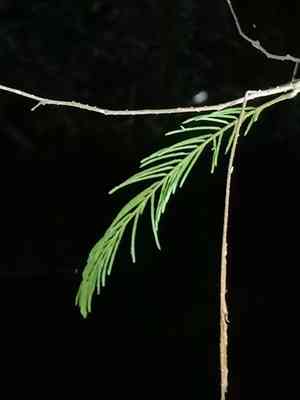
Senegalia (Senegalia) (Senegalia)
Also known as: Acacia, Thorntrees, Wattles
Senegalia are a large genus of wild legume trees and shrubs. Several species contain a substance used in inks and adhesives. The bark of some species is used for timber, fuel, musical instrument materials, and other purposes. Many of the senegalia plants aid in agroforestry and soil preservation.
In This Article
Attributes of Senegalia (Senegalia)
Lifespan
Perennial
Plant Height
2 to 25 meters
Spread
1 to 10 meters
Leaf Color
Green
Flower Size
0.5 to 2 centimeters
Flower Color
Creamy white, Yellow
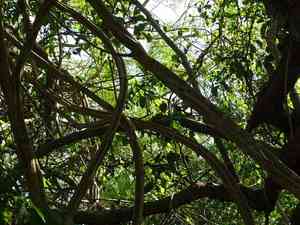
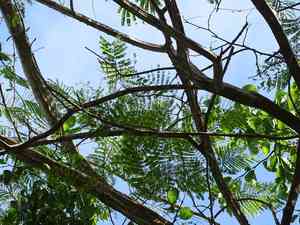
Images of Senegalia (Senegalia)
Quickly Identify Senegalia (Senegalia)
1
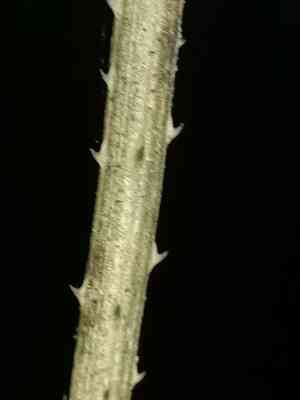
Identifying Senegalia involves looking for its characteristic spiny branches, bipinnately compound leaves, small globular or cylindrical flower clusters, and typically pod-like fruit.
Scientific Classification of Senegalia (Senegalia)
Phylum
Magnoliophyta
Class
Magnoliopsida
Order
Fabales
Family
Fabaceae
Genus
Senegalia
Planting and Growing of Senegalia (Senegalia)
Care Difficulty
Moderate
Watering Schedule
Every 2 days
Sunlight Requirements
Full sun
Sunshine Duration
6-10 hours
Ideal Temperature
64-86℉
Soil Type
Potting Mix, Peat Mix
Soil pH
6.5-7.5
Fertilizer Type
Balanced
Pruning Season
Spring, Summer
Pruning Area
Branches, Leaves
Pruning Frequency
2 times a year
Repotting Season
Spring
Pot Type
Plastic, Ceramic
 How to Water Senegalia (Senegalia)?
For Senegalia, it's vital to allow the soil to dry slightly between waterings. Generally, 500 milliliters is sufficient to moisten the root zone without causing waterlogging. Ensure the top inch of soil is dry before watering again.
What are the symptoms of an underwatered Senegalia (Senegalia)?
›
What should I do if my Senegalia (Senegalia) is not getting enough water?
›
What are the symptoms of an overwatered Senegalia (Senegalia)?
›
How to save an overwatered Senegalia (Senegalia)?
›
 What Are the Sunlight Requirements for Senegalia (Senegalia)?
Senegalia thrives in full to partial sunlight. Ideal light enhances photosynthesis, promoting vibrant growth, bolstering its structural integrity, and supporting overall health.
How to achieve ideal lighting?
›
What are practical measures for optimal light?
›
Benefits of receiving ideal light conditions
›
 What Is the Ideal Temperature Range for Senegalia (Senegalia)?
The ideal temperature range for Senegalia is between 64°F and 86°F. These conditions allow the plant to photosynthesize efficiently and grow at an optimal rate. Maintaining this temperature range ensures that the plant does not stress due to heat or cold, which can affect its health and vitality.
 What Soil is Best for Senegalia (Senegalia)?
Senegalia thrives in soil that allows excess water to drain effortlessly. This prevents root rot and ensures the roots receive adequate air circulation, promoting healthy growth. This plant benefits from soil enriched with organic matter, which provides essential nutrients for robust growth and flowering. Regular addition of compost or organic fertilizers can sustain soil fertility. While Senegalia prefers dry conditions, maintaining a consistent moisture level during dry spells can support growth. It’s crucial to avoid waterlogging which can hinder the plant’s development.
 How to Fertilize Senegalia (Senegalia)?
Senegalia plants typically benefit from a balanced approach when it comes to fertilization. A general guideline is to apply 2-3 tablespoons of granular fertilizer per plant annually. For liquid fertilizers, it is recommended to use a half-strength solution to avoid overwhelming the plant.
 How to Prune Senegalia (Senegalia)?
Start by identifying and removing dead, damaged, or diseased branches. This helps in redirecting the plant's energy to healthier parts. Cut back overgrown branches to maintain the desired shape and size. Trim branches that cross or rub against each other to prevent damage.
 How to Propagate Senegalia (Senegalia) plant?
1
Harvest seeds from mature pods during the right season. Ensure they are dry before storing them. Mature seeds are more likely to germinate effectively when planted.
2
Use well-draining soil mixed with sand to provide a conducive environment for seed germination. Good drainage prevents waterlogging and root rot.
3
Select a healthy root, cut a section, and let it callous over before planting. This step is crucial for preventing infections and promoting new growth.
 How to Repot Senegalia (Senegalia) plant?
1
Senegalia should be repotted when you notice that the roots are growing through the drainage holes or when the plant becomes top-heavy, indicating a need for more space. This typically happens every 2-3 years. The best time to repot is during its active growing seasons of spring and summer when the plant can easily recover from the stress of repotting.
2
Select a pot that is one size larger than the current one, ensuring it has ample drainage holes. The pot should be sturdy to support the plant's growth, with enough space for root expansion but not oversized, as too much space could lead to water retention issues that are harmful to the plant's health.
3
Opt for a well-draining cactus or succulent soil mix, which replicates the plant's natural habitat. This enables adequate water flow and aeration, preventing root rot, a common issue that arises from overwatering in poorly-draining soils. A soil mix with added sand or perlite will improve drainage capacity significantly.
Toxicity
Ingestion
WARNING
The judgment on toxicity and danger is for reference only. We DO NOT GUARANTEE any accuracy of such judgment. Therefore, you SHALL NOT rely on such judgment. It is IMPORTANT TO SEEK PROFESSIONAL ADVICE in advance when necessary.

