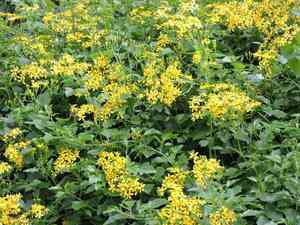
Ragworts (Senecio) (Senecio)
Also known as: Groundsel, Ragwort
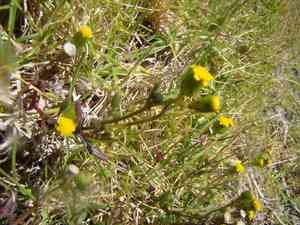
Ragworts, known for their succulent-like leaves, flourish best in sandy or loamy soils with good drainage. These garden perennials are highly popular and thrive in full sunlight, requiring at least 6 hours of direct light each day. While they typically bloom for about a month, their distinctive thick leaves make them a favorite for rock gardens and potted arrangements.
Attributes of Ragworts (Senecio)
Images of Ragworts (Senecio)
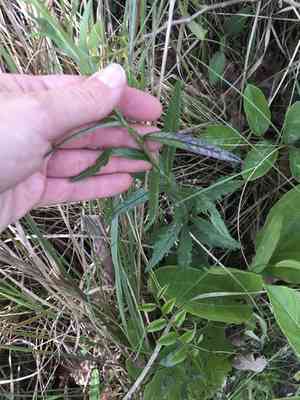
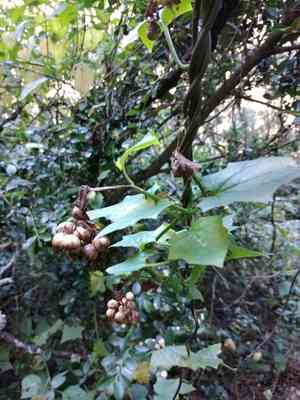
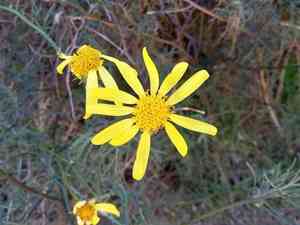
Quickly Identify Ragworts (Senecio)
Scientific Classification of Ragworts (Senecio)
Planting and Growing of Ragworts (Senecio)
 How to Water Ragworts (Senecio)?
 What Are the Sunlight Requirements for Ragworts (Senecio)?
 What Is the Ideal Temperature Range for Ragworts (Senecio)?
 What Soil is Best for Ragworts (Senecio)?
 How to Fertilize Ragworts (Senecio)?
 How to Prune Ragworts (Senecio)?
 How to Propagate Ragworts (Senecio) plant?
 How to Repot Ragworts (Senecio) plant?
Toxicity of Ragworts (Senecio)
Is Ragworts (Senecio) toxic to cat?
Every component of ragworts presents toxicity to felines and has the potential to induce mild to moderate health issues. Consuming the plant may lead to mild gastrointestinal disturbances, including diarrhea, vomiting, and decreased appetite. Furthermore, merely chewing the plant can result in skin irritation around the mouth, swelling of the tongue, and irritation of the lips.
Is Ragworts (Senecio) toxic to dog?
The consumption of ragworts can lead to severe reactions in dogs and must be regarded as a medical emergency. Every part of this plant harbors pyrrolizidine alkaloids, which, when ingested, can result in an array of symptoms such as loss of appetite, lethargy, excessive yawning, vomiting, diarrhea, coordination loss, head pressing, and overall weakness. In critical situations, the risks of kidney failure, liver failure, and even death are present.


