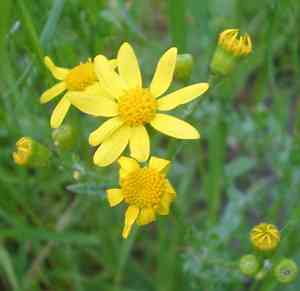
Tall ragwort (Senecio serra)
Also known as: Tall Groundsel, Sawtooth Butterweed
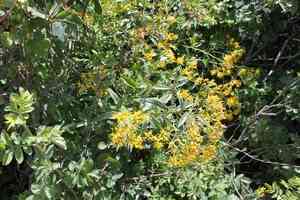
Tall ragwort is a hardy perennial herb that flourishes in a range of environments, including grasslands, pastures, and roadsides, often in well-drained, sunny areas. It features erect stems that can reach up to 1.5 meters (5 feet) in height and bears deeply lobed, dark green leaves. During the summer, it produces clusters of bright yellow, daisy-like flowers that attract a variety of pollinators, contributing to the vibrancy of its ecosystem. However, it is also known to be toxic to livestock due to pyrrolizidine alkaloids.
In This Article
Attributes of Tall ragwort
Lifespan
Perennial
Plant Type
Herb
Plant Height
61 cm to 1.8 m
Spread
Approximately 50 cm
Leaf Color
Green
Flower Size
1-2 cm
Flower Color
Yellow
Images of Tall ragwort
Quickly Identify Tall ragwort
1
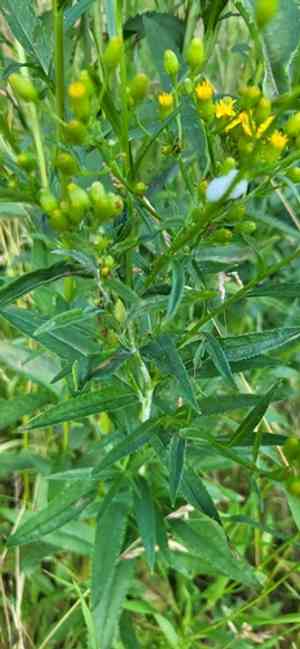
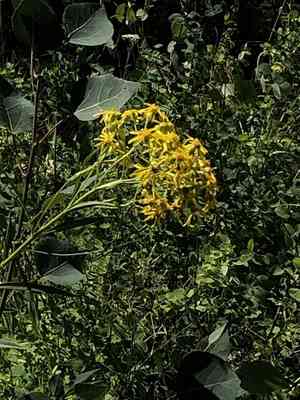
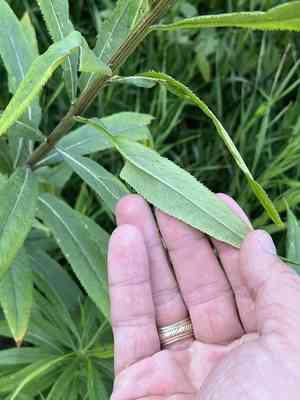
To identify Senecio serra, look for tall, erect stems that can reach up to 1 to 1.5 meters in height. The leaves are elongated and have a sawtooth edge, which is a distinguishing characteristic. The flowers are yellow and occur in clusters.
Scientific Classification of Tall ragwort
Phylum
Vascular plants
Class
Dicotyledons
Order
Asterales
Family
Daisy
Genus
Ragworts
Species
Tall ragwort
Planting and Growing of Tall ragwort
Care Difficulty
Moderate
Watering Schedule
Every 3 days
Sunlight Requirements
Full sun
Sunshine Duration
6-12 hours
Ideal Temperature
65-75℉
Soil Type
Potting Mix, Peat Mix
Soil pH
6.5-7.5
Fertilizer Type
Balanced
Pruning Season
Spring, Summer
Pruning Area
Branches, Leaves
Pruning Frequency
2 times a year
Repotting Season
Spring
Pot Type
Plastic, Ceramic
 How to Water Tall ragwort?
The watering amount for Senecio serra should be around 150 milliliters per session. You should aim to thoroughly moisten the soil without over-saturating it. To achieve this, ensure the water penetrates the soil deeply enough to reach the root level but avoid creating any waterlogged conditions.
What are the symptoms of an underwatered Tall ragwort?
›
What should I do if my Tall ragwort is not getting enough water?
›
What are the symptoms of an overwatered Tall ragwort?
›
How to save an overwatered Tall ragwort?
›
 What Are the Sunlight Requirements for Tall ragwort?
Senecio serra thrives in full to partial sunlight, meaning it appreciates several hours of direct sun followed by some shade. Ideal light conditions result in stronger stems and more vivid leaf coloration, enhancing its ornamental appeal.
How much light does Senecio serra need?
›
What are the solutions to ensure ideal lighting?
›
What benefits does ideal light bring to Senecio serra?
›
 What Is the Ideal Temperature Range for Tall ragwort?
For optimal growth, Senecio serra thrives best within a temperature range of 65°F to 75°F. This range allows the plant to photosynthesize efficiently and maintain healthy metabolic functions. Staying within these temperatures ensures the best growth and prevents stress-related issues.
 What Soil is Best for Tall ragwort?
Senecio serra thrives in soil that offers excellent drainage, preventing root rot and other moisture-related issues. This allows the plant to absorb necessary nutrients efficiently. While Senecio serra is adaptable, it prefers soil with moderate fertility to support its growth and vibrant foliage. Balanced nutrients promote healthy development and resilience. A light soil texture, such as sandy loam, enables Senecio serra to establish its root system effectively. This helps the plant access water and minerals optimally for robust growth.
 How to Fertilize Tall ragwort?
Senecio serra benefits from moderate fertilization. Use a balanced fertilizer diluted to half strength, as too much can harm the plant. When applying liquid fertilizer, aim for approximately 100 ml per plant, ensuring even distribution for optimal absorption. For solid fertilizer, use no more than 50 grams per application, distributing it evenly around the base of the plant.
 How to Prune Tall ragwort?
Water your Senecio serra a day before pruning to ensure the stems are hydrated and supple, making them easier to cut. This pre-maintenance step is crucial for achieving neat cuts. Begin by removing any yellowed or dead leaves from the base of the plant. This not only improves the plant's appearance but also diverts nutrients to healthier parts. Gently cut back overgrown stems to maintain an appealing shape. Additionally, thin out any overly dense areas to enhance light penetration and air circulation throughout the plant. Strategically pinch or cut the tips of stems to promote bushier growth. This is particularly beneficial in the spring, as it prepares the plant for robust summer development.
More About Pruning Techniques→
 How to Propagate Tall ragwort plant?
1
Collect mature seeds from dehisced flower heads. Sow them in trays filled with a seed-starting mix. Moisten the soil lightly and cover the trays with plastic wrap to maintain humidity until germination.
2
Select healthy stems. Use a sterile pruning knife to cut a 3-4 inch piece below a node. Remove the lower leaves and dip the cut end in rooting hormone to encourage root development.
3
Dig up the entire plant and gently shake off excess soil. Use your hands to carefully separate the roots into smaller sections, ensuring each section has a healthy root system and shoot.
 How to Repot Tall ragwort plant?
1
Repotting Senecio serra is best done when its roots start circling in the pot or when growth appears stunted, suggesting the plant has outgrown its current home. This typically occurs every one to two years. Look for roots emerging from the drainage holes or soil surface as indicators.
2
When selecting a pot for repotting, aim for one that's only a couple of inches larger in diameter than the current pot. This ensures adequate room for growth without overwhelming the plant, reducing the risk of waterlogging and root rot, which can occur in overly large containers.
3
Opt for a well-draining potting mix that retains appropriate moisture while allowing excess water to escape easily. This type of soil prevents water retention issues common in dense, non-porous mixtures, fostering healthy root development and minimizing the risk of root rot.
Toxicity
Ingestion
WARNING
The judgment on toxicity and danger is for reference only. We DO NOT GUARANTEE any accuracy of such judgment. Therefore, you SHALL NOT rely on such judgment. It is IMPORTANT TO SEEK PROFESSIONAL ADVICE in advance when necessary.



