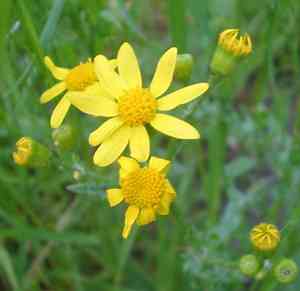
Nodding ragwort (Senecio bigelovii)
Also known as: Bigelow's ragwort
Nodding ragwort is a hardy flowering plant well-suited to arid environments. This species features bright yellow, daisy-like blooms on tall, slender stems, accompanied by a basal rosette of thick, spoon-shaped leaves. Its success in dry areas can be attributed to a deep taproot system that reaches underground water sources and succulent leaves that retain moisture, making it a robust survivor in low-water habitats.
In This Article
Attributes of Nodding ragwort
Lifespan
Perennial
Plant Type
Herb
Plant Height
1 to 1.5 meters
Spread
Not a tree, hence crown diameter is not applicable
Leaf Color
Green
Flower Size
Up to 2.5 cm
Flower Color
Yellow
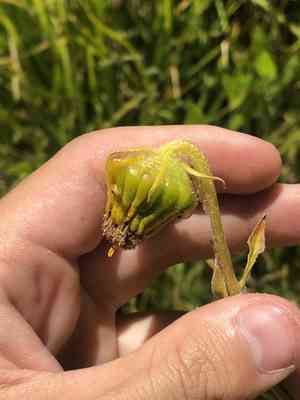
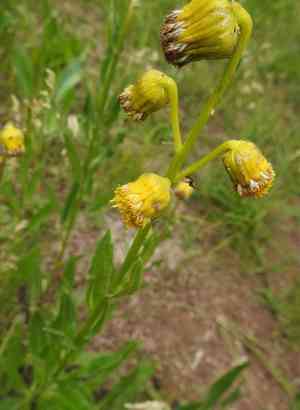
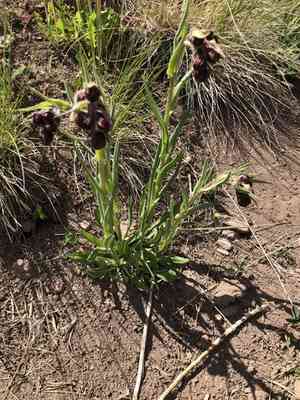
Images of Nodding ragwort
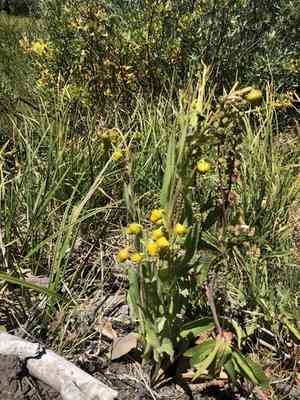
Quickly Identify Nodding ragwort
1
Senecio bigelovii can be identified by its erect, somewhat rigid stems that can grow up to 1.5 meters tall. The leaves are lance-shaped and can be slightly hairy. The yellow, daisy-like flowers typically bloom in clusters from late spring to early summer.
Scientific Classification of Nodding ragwort
Phylum
Vascular plants
Class
Dicotyledons
Order
Asterales
Family
Daisy
Genus
Ragworts
Species
Nodding ragwort
Planting and Growing of Nodding ragwort
Care Difficulty
Hard
Watering Schedule
Every 2 days
Sunlight Requirements
Partial sun
Sunshine Duration
6-10 hours
Ideal Temperature
60-75℉
Soil Type
Potting Mix, Peat Mix
Soil pH
6.5-7.5
Fertilizer Type
Balanced
Pruning Season
Spring, Summer
Pruning Area
Branches, Leaves
Pruning Frequency
2 times a year
Repotting Season
Spring
Pot Type
Plastic, Ceramic
 How to Water Nodding ragwort?
For Senecio bigelovii, ensure the soil is soaked but not waterlogged. Use approximately 250 ml of water per session, ensuring even distribution around the base without leaving stagnant water.
What are the symptoms of an underwatered Nodding ragwort?
›
What should I do if my Nodding ragwort is not getting enough water?
›
What are the symptoms of an overwatered Nodding ragwort?
›
How to save an overwatered Nodding ragwort?
›
 What Are the Sunlight Requirements for Nodding ragwort?
Partial sun conditions are ideal, offering around 4 to 6 hours of filtered sunlight. These conditions support healthy growth, vibrant foliage, and balanced energy synthesis through photosynthesis, strengthening the plant's overall resilience.
How can I ensure Senecio bigelovii receives optimal light?
›
What are the first signs that lighting is appropriate?
›
How can I adjust its lighting environment if natural light is inadequate?
›
 What Is the Ideal Temperature Range for Nodding ragwort?
Senecio bigelovii thrives best within a temperature range of 60°F to 75°F. This range provides optimal conditions for photosynthesis and metabolic activities. Maintaining this temperature range assures healthier foliage and robust growth.
 What Soil is Best for Nodding ragwort?
Senecio bigelovii thrives in soil with excellent drainage. This requirement ensures that the roots do not remain waterlogged, which can otherwise lead to root rot and adversely affect their growth. While the soil needs to be well-draining, it should also be able to retain some moisture. This balance helps support steady growth by preventing the roots from drying out completely in between watering. A nutrient-rich loamy soil provides the essential minerals and compounds necessary for healthy foliage and flower production. It supports overall vigor and disease resistance of the plant.
 How to Fertilize Nodding ragwort?
Senecio bigelovii, like many succulents, requires a balanced approach to fertilization. When using liquid fertilizers, a quarter-strength solution helps avoid overfeeding. Mix it generously with water and ensure the soil is evenly moist without becoming saturated. This approach prevents nutrient build-up and promotes healthier growth.
 How to Prune Nodding ragwort?
Examine your Senecio bigelovii for stems that are too long or interfering with the plant's natural shape. Identify any dead or damaged branches to target during your pruning session. Start by trimming back any leggy or overgrown stems, cutting them back to just above a node or leaf. This will encourage new, bushier growth and maintain a neat appearance. When pruning, make sure your cuts are at a slight angle. This helps water run off the cut surface and reduces the risk of disease entering the wound. Gather all clippings and discarded leaves to prevent any potential pest infestation or diseases from taking hold in decomposing plant matter around your Senecio bigelovii.
More About Pruning Techniques→
 How to Propagate Nodding ragwort plant?
1
Choose a well-draining soil mix or use a combination of perlite and peat moss to promote excellent drainage. Fill seed trays or pots with the prepared medium, ensuring it's moist but not soggy to support optimal seed germination and cutting root development.
2
Sow Senecio bigelovii seeds on the surface of the soil, lightly pressing them in without covering completely as light aids germination. Keep them in a warm location with indirect sunlight, maintaining steady moisture for successful germination.
3
Select healthy, non-flowering stems and cut 4-6 inch sections. Remove the lower leaves and dip the cut end in rooting hormone. Plant the cuttings in a prepared medium, ensuring they are deep enough for stability but not submerged in leaves.
 How to Repot Nodding ragwort plant?
1
Repot Senecio bigelovii when you notice roots protruding through drainage holes or when water takes longer to drain. Typically, repotting is due in spring or summer, when the plant is actively growing.
2
Choose a pot slightly larger than the current one, ideally 2 inches wider in diameter. This prevents waterlogging and encourages healthy root expansion, which promotes the overall growth of Senecio bigelovii.
3
Opt for a well-draining cactus mix to prevent root rot. A sandy or gritty soil mix ensures proper aeration, allowing the roots to breathe and facilitating water drainage, which is crucial for succulent health.
Toxicity
Ingestion
WARNING
The judgment on toxicity and danger is for reference only. We DO NOT GUARANTEE any accuracy of such judgment. Therefore, you SHALL NOT rely on such judgment. It is IMPORTANT TO SEEK PROFESSIONAL ADVICE in advance when necessary.
Learn More About Nodding ragwort Diseases
Anthracnose
Bacterial Leaf Spot
Bacterial Soft Rot
Bacterial Wilt
Black Spot
Chemical Injury
Crown Gall
Cyst Nematode
Damping-off
Downy Mildew
Drought Stress
Fusarium Wilt
Gray Mold
Leaf Curl
Leaf Spot
Mosaic
Nutrient Deficiency
Nutrient Toxicity
Powdery Mildew
Root Rot
Root-knot Nematode
Rusts
Sooty Mold
Spider Mites
Temperature Stress
Thrips Damage
White Mold



