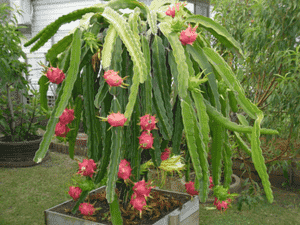
Selenicereus undatus (Selenicereus undatus)
Also known as: Pitahaya, Dragon Fruit
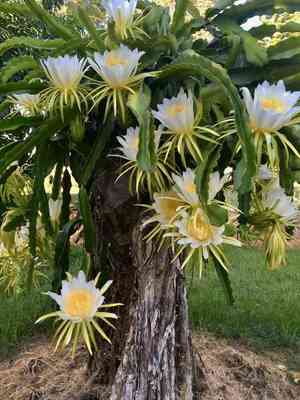
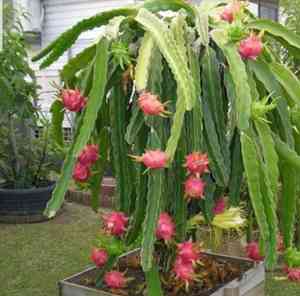
Selenicereus undatus, commonly known as Pitahaya or Dragon Fruit, is a fast-growing, epiphytic cactus from tropical and subtropical America. It's known for its unique night-blooming, aromatic flowers and its peculiar, round, often red fruit with flaky skin and succulent white flesh dotted with tiny black seeds.
In This Article
Attributes of Selenicereus undatus
Lifespan
Perennial
Plant Height
3-5 meters
Spread
Not applicable
Leaf Color
Green
Flower Size
25-30 cm
Flower Color
White
Images of Selenicereus undatus
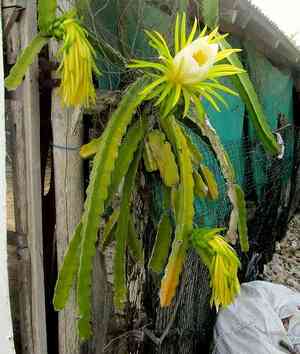
Quickly Identify Selenicereus undatus
1
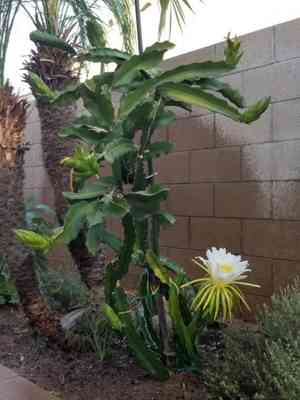
Identified by its snake-like stems that can grow to a considerable height, and its large, beautiful white fragrant flowers that open during the night. The fruits are often round or oval, red or yellow in color with white or red pulp inside.
Scientific Classification of Selenicereus undatus
Phylum
Tracheophyta
Class
Magnoliopsida
Order
Caryophyllales
Family
Cactaceae
Genus
Selenicereus
Species
undatus
Planting and Growing of Selenicereus undatus
Care Difficulty
Easy
Watering Schedule
Every 2 days
Sunlight Requirements
Partial sun
Sunshine Duration
4-8 hours
Ideal Temperature
68-86℉
Soil Type
Potting Mix, Peat Mix
Soil pH
6-7.5
Fertilizer Type
Balanced
Pruning Season
Spring, Summer
Pruning Area
Branches, Leaves
Pruning Frequency
2 times a year
Repotting Season
Spring
Pot Type
Plastic, Ceramic
 How to Water Selenicereus undatus?
Selenicereus undatus, commonly known as dragon fruit, thrives when its roots are allowed to dry out between watering sessions. Water deeply but infrequently, ensuring a thorough soak of about 500 ml each time. This encourages healthy root growth and prevents the plant from sitting in water, which can lead to rot.
What are the symptoms of an underwatered Selenicereus undatus?
›
What should I do if my Selenicereus undatus is not getting enough water?
›
What are the symptoms of an overwatered Selenicereus undatus?
›
How to save an overwatered Selenicereus undatus?
›
 What Are the Sunlight Requirements for Selenicereus undatus?
Partial sun provides the perfect balance of bright, indirect light essential for growth and flowering of Selenicereus undatus, promoting overall vigor and enhancing its ornamental appeal.
How to achieve ideal lighting?
›
What are the benefits of ideal lighting?
›
How do I measure light conditions?
›
 What Is the Ideal Temperature Range for Selenicereus undatus?
The ideal temperature range for the growth of Selenicereus undatus, also known as the dragon fruit plant, is between 68°F and 86°F. Within this range, the plant can maintain optimal physiological functions, resulting in healthy growth and development. Temperatures within this range ensure that the plant can effectively photosynthesize and utilize water and nutrients efficiently.
 What Soil is Best for Selenicereus undatus?
Selenicereus undatus thrives in well-draining soil to prevent water-logging, which can lead to root rot. This need for well-draining soil ensures that the roots receive adequate oxygen and nourishment, crucial for the plant’s robust growth. This cactus prefers soil enriched with organic matter. A nutrient-rich environment supports vibrant growth and bloom of the dragon fruit, providing essential nutrients that aid in the resilience and overall health of the plant. The plant benefits from soil that's loose and aerated, allowing easy root penetration and expansion. This texture facilitates better air circulation, which is vital for preventing fungal diseases and enhancing root health.
 How to Fertilize Selenicereus undatus?
Selenicereus undatus, commonly known as the dragon fruit cactus, requires careful fertilization management to thrive. Ideally, use a balanced, water-soluble fertilizer diluted to half the recommended strength. This helps to avoid root burn while ensuring the plant receives adequate nutrients. Typically, apply about 1 teaspoon per gallon if using liquid fertilizer to achieve the best results without overwhelming the plant's system.
 How to Prune Selenicereus undatus?
Start by identifying any dead, damaged, or diseased segments on the plant. Use clean, sharp shears to cut these parts back to a healthy area, just above a node or joint. This will prevent disease spread and promote healthier growth. Once dead material is removed, focus on shaping the plant. Trim back overgrown segments to encourage a fuller look and improve air circulation. This also helps the plant bloom more profusely by focusing resources on fewer, healthier segments.
 How to Propagate Selenicereus undatus plant?
1
Choose a healthy parent plant for obtaining cuttings. Look for segments that are disease-free and have matured, as these contain the most beneficial characteristics for successful propagation.
2
Make clean cuts using sterilized shears to prevent disease transmission. Allow the cuttings to dry for a few days to form a callus, reducing the risk of rot when planted in soil.
3
Once calloused, immerse the cut end in rooting hormone and plant in a well-draining soil mix. Position the cutting vertically and ensure it's stable for optimal root development.
 How to Repot Selenicereus undatus plant?
1
You should consider repotting Selenicereus undatus when you notice its roots are protruding from the drainage holes, or if the plant's growth appears stunted despite regular care. Additionally, repotting is necessary when the soil has compacted over time, making it difficult for water to seep through efficiently. Early Spring or Summer is the optimal time, ensuring the plant is actively growing and can recover quickly from the process.
2
Select a pot that is slightly larger than the current one, ideally 1-2 inches wider in diameter. Ensure it has sufficient drainage holes, allowing excess water to escape and preventing the risk of root rot. The pot material can vary—terra cotta pots are excellent for their breathability, while plastic pots retain moisture better, which can be beneficial in dry climates. Choosing the right pot size and material helps maintain optimal moisture levels and supports healthy root growth.
3
Choose a well-draining cactus mix to prevent waterlogging, which can lead to root rot. A slightly acidic to neutral pH is ideal. The soil mixture should include components like perlite or sand, which enhance drainage and aerate the soil. This environment mimics the plant's natural habitat, supporting healthy growth and reducing the risk of fungal infections or other moisture-related problems.
Toxicity
N/A
WARNING
The judgment on toxicity and danger is for reference only. We DO NOT GUARANTEE any accuracy of such judgment. Therefore, you SHALL NOT rely on such judgment. It is IMPORTANT TO SEEK PROFESSIONAL ADVICE in advance when necessary.



