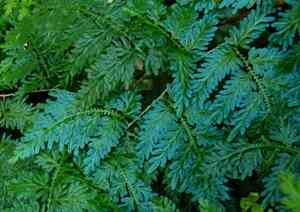
Spikemosses (Selaginella) (Selaginella)
Also known as: Spike-mosses
Clubmosses are vascular plants, equipped with specialized tissues for transporting water and nutrients from roots to other parts of the plant. These plants thrive in a variety of climates, including tropical and arctic-alpine regions. Characterized by their scale-like leaves, clubmosses also produce two distinct types of spores.
In This Article
Attributes of Spikemosses (Selaginella)
Lifespan
Perennial
Plant Height
30 cm
Spread
50 cm
Leaf Color
Green, can sometimes be tinged with blue or purple
Flower Size
N/A (Selaginella does not produce flowers)
Flower Color
N/A (Selaginella does not produce flowers)
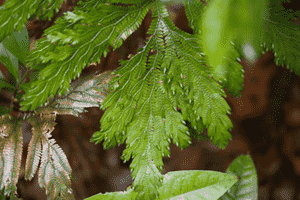
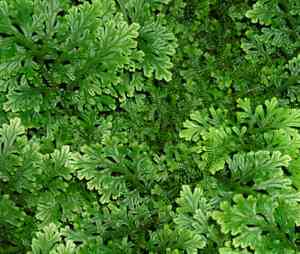
Images of Spikemosses (Selaginella)
Quickly Identify Spikemosses (Selaginella)
1
Selaginella can often be identified by their small, scale-like leaves that are usually arranged in four rows along the stem. They possess rhizophores which are root-like structures. The plants have a distinctive branching pattern which is usually dichotomous.
Scientific Classification of Spikemosses (Selaginella)
Phylum
Lycopodiophyta
Class
Lycopodiopsida
Order
Selaginellales
Family
Selaginellaceae
Genus
Selaginella
Planting and Growing of Spikemosses (Selaginella)
Care Difficulty
Moderate
Watering Schedule
Every 8 days
Sunlight Requirements
Partial sun
Sunshine Duration
4-8 hours
Ideal Temperature
65-75℉
Soil Type
Potting Mix, Peat Mix
Soil pH
6.5-7.5
Fertilizer Type
Balanced
Pruning Season
Spring, Summer
Pruning Area
Branches, Leaves
Pruning Frequency
2 times a year
Repotting Season
Spring
Pot Type
Plastic, Ceramic
 How to Water Spikemosses (Selaginella)?
Selaginella requires watering until the soil is evenly moist but not waterlogged. This could mean around 150 ml of water per session, depending on the pot size and soil composition. The rule of thumb is to check the top inch of the soil; it should be moist but not have standing water.
What are the symptoms of an underwatered Spikemosses (Selaginella)?
›
What should I do if my Spikemosses (Selaginella) is not getting enough water?
›
What are the symptoms of an overwatered Spikemosses (Selaginella)?
›
How to save an overwatered Spikemosses (Selaginella)?
›
 What Are the Sunlight Requirements for Spikemosses (Selaginella)?
Selaginella's ideal light range includes part sun and full shade settings, allowing it to thrive while maintaining vibrant foliage and steady growth.
How much light does Selaginella need daily?
›
What are the solutions for achieving ideal light conditions for Selaginella?
›
What are the benefits of Selaginella receiving ideal light conditions?
›
 What Is the Ideal Temperature Range for Spikemosses (Selaginella)?
For the optimal growth of Selaginella, it is recommended to maintain a temperature range between 65°F and 75°F. This range provides a stable environment that supports active cell growth and nutrient absorption. Keeping temperatures within this range encourages lush, healthy foliage, as Selaginella thrives in consistent and warm conditions similar to its native tropical habitats.
 What Soil is Best for Spikemosses (Selaginella)?
Selaginella prefers a soil that can retain moisture without becoming waterlogged. This helps ensure that the plant has consistent hydration, which is crucial for its lush growth and vibrant foliage. Inadequate moisture can lead to dehydration and browning of the leaves. Even though Selaginella likes moist environments, the soil must also have proper drainage to prevent root rot. A balance between moisture retention and drainage helps the plant maintain its health and avoid diseases caused by excess water. The soil should be rich in organic matter, which provides essential nutrients for robust growth. Nutrient-rich soil contributes to better root development and enhances the plant's ability to produce healthy and vibrant foliage.
 How to Fertilize Spikemosses (Selaginella)?
For Selaginella, it is essential to use a diluted liquid fertilizer. Use a quarter of the recommended strength for other houseplants. This ensures the plant gets nutrients without the risk of root burn.
 How to Prune Spikemosses (Selaginella)?
Begin by identifying any dead, yellowing, or leggy growth on your Selaginella. These are parts that no longer contribute to the plant's health and should be removed to encourage the emergence of new, vibrant foliage. Gently trim the identified parts using sharp scissors, making precise cuts close to the base of the stem or alongside the healthy leaves. Be careful not to cut into the healthy parts of the plant, as this could disrupt its growth. For a neater appearance, periodically check your Selaginella and trim any encroaching parts that disrupt its desired shape. This helps the plant maintain a compact form which is especially ideal for indoor displays.
 How to Propagate Spikemosses (Selaginella) plant?
1
Select healthy Selaginella stems and cut 4-6 inches long sections using sterilized pruning shears. Remove any leaves from the lower half to prevent rot and expose nodes for root growth. Dip the cut end in rooting hormone if desired to enhance root development.
2
Fill a pot with well-draining potting mix or a mix of peat and perlite. Insert the cut end of the Selaginella cuttings into the soil, ensuring at least one node is buried to promote root formation. Firm the soil gently around the cuttings for stability.
3
Cover the pot with a clear plastic bag or place it in a propagator to maintain a humid atmosphere around the cuttings. This prevents moisture loss and encourages rooting. Ensure the plastic does not touch the cuttings by using sticks or a small frame to hold it up.
 How to Repot Spikemosses (Selaginella) plant?
1
Selaginella exhibits signs that it's time to repot, such as roots growing out of the drainage holes and decreased vigor. This typically occurs every 2-3 years. Noticing soil compaction or yellowing foliage also indicates a need for fresh soil to rejuvenate your plant.
2
Choose a pot that's one size larger than the current one, with ample drainage holes to prevent waterlogged soil, which can lead to root rot. A breathable material like clay is ideal as it allows excess moisture to escape and helps keep roots healthy and thriving.
3
Opt for a well-draining peat-based mix to ensure Selaginella stays moist but not waterlogged, crucial for its delicate root system. A soil mix containing peat, perlite, and a bit of sand strikes the perfect balance, promoting healthy growth and preventing root diseases.

