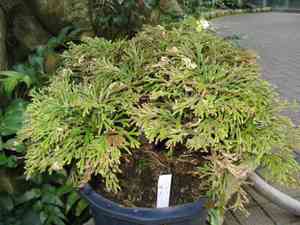
Selaginella tamariscina (Selaginella tamariscina)
Also known as: Resurrection Plant, Spike Moss
Selaginella tamariscina is an evergreen fern ally that reaches up to 15 cm in height. It features densely tufted stems and roots, creating a small tree-like structure. This plant is typically found in humid environments and is also cultivated for its distinctive foliage, making it popular in gardens and as potted plants.
In This Article
Attributes of Selaginella tamariscina
Lifespan
Perennial
Plant Type
Herb
Plant Height
45 cm
Spread
25 cm to 30 cm
Leaf Color
Green
Flower Size
N/A - Non-flowering plant
Flower Color
N/A - Non-flowering plant
Images of Selaginella tamariscina
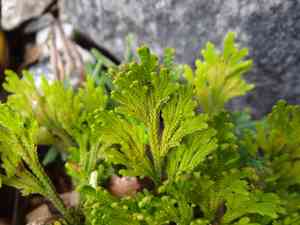
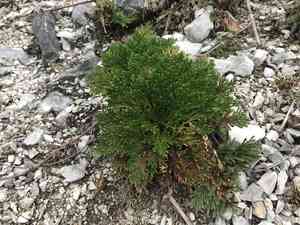
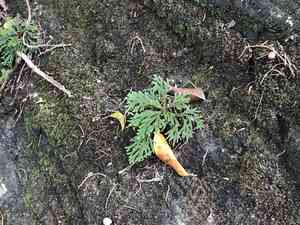
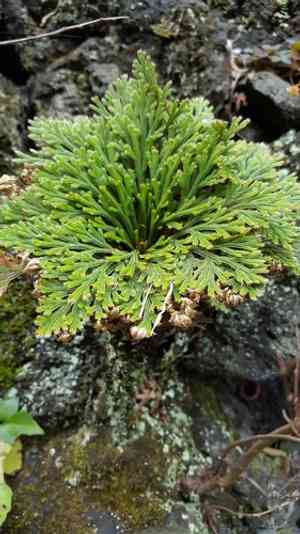
Quickly Identify Selaginella tamariscina
1
Selaginella tamariscina can be identified by its tufted and cushion-like clumps, small, scale-like leaves that are arranged in rows, and its resurrection ability to rehydrate and turn green after appearing dry and brown.
Scientific Classification of Selaginella tamariscina
Phylum
Vascular plants
Class
Club mosses
Order
Spikemosses
Family
Spike-moss
Genus
Spikemosses
Species
Selaginella tamariscina
Planting and Growing of Selaginella tamariscina
Care Difficulty
Easy
Watering Schedule
Every 3 days
Sunlight Requirements
Partial sun
Sunshine Duration
6-10 hours
Ideal Temperature
60-75℉
Soil Type
Potting Mix, Peat Mix
Soil pH
6.5-7.5
Fertilizer Type
Balanced
Pruning Season
Spring, Summer
Pruning Area
Branches, Leaves
Pruning Frequency
2 times a year
Repotting Season
Spring
Pot Type
Plastic, Ceramic
 How to Water Selaginella tamariscina?
Selaginella tamariscina requires a moderate amount of water. Ensure the soil is evenly moist but not waterlogged. This plant thrives on consistent moisture levels, which mimic its natural habitat, without allowing the roots to sit in standing water.
What are the symptoms of an underwatered Selaginella tamariscina?
›
What should I do if my Selaginella tamariscina is not getting enough water?
›
What are the symptoms of an overwatered Selaginella tamariscina?
›
How to save an overwatered Selaginella tamariscina?
›
 What Are the Sunlight Requirements for Selaginella tamariscina?
Selaginella tamariscina flourishes in partial sun to full shade. Ideal light ensures vibrant foliage and robust growth, protecting it from extreme conditions that hamper health.
More About Sunlight Requirements Techniques→
How much light does Selaginella tamariscina need?
›
What solutions can optimize its lighting conditions?
›
What are the benefits of ideal lighting?
›
 What Is the Ideal Temperature Range for Selaginella tamariscina?
The ideal temperature range for Selaginella tamariscina, commonly known as the Resurrection Plant, lies between 60°F and 75°F. This range provides the optimal conditions for its cellular functions, metabolic processes, and overall growth. At these temperatures, the plant can efficiently manage its water retention and photosynthesis, aiding its unique revival capability.
 What Soil is Best for Selaginella tamariscina?
Selaginella tamariscina thrives in well-drained soils that prevent waterlogging. This is essential as waterlogged conditions can lead to root rot, stunting growth, and eventually killing the plant. The plant prefers soils rich in organic matter, which helps retain moisture while providing essential nutrients. This increases soil fertility, enhancing the plant's growth and health. Consistently moist soil mimics the plant's natural environment, promoting healthy growth. Ensuring adequate moisture levels prevents stress, leading to a robust and flourishing plant.
 How to Fertilize Selaginella tamariscina?
When fertilizing Selaginella tamariscina, it's crucial to use a diluted liquid fertilizer, usually at half the strength recommended for most houseplants. This ensures the plant receives adequate nutrients without the risk of over-fertilization. The amount typically depends on the size of the plant and container, catering to each plant's specific needs for optimal growth.
 How to Prune Selaginella tamariscina?
To prune Selaginella tamariscina effectively, begin by using sharp sterile scissors or pruners. Remove any browned or dead fronds close to their base. Trim to maintain an even, dome-like shape, taking care not to cut into healthy, vibrant foliage that contributes to the plant's bushy appearance. Focus on trimming leggy or excessively long shoots. This encourages a denser, more compact growth habit. By cutting just above a node, new fronds will develop, resulting in a fuller, more aesthetically pleasing plant. Pay attention to overall symmetry while shaping.
More About Pruning Techniques→
 How to Propagate Selaginella tamariscina plant?
1
Select a healthy and mature parent plant for division. Ensure it is well-hydrated and free from any diseases or pests prior to propagation.
2
Perform careful tissue extraction using sterile equipment. Place extracted tissue on a growth medium under controlled conditions to promote root development.
3
Once new roots develop, gently transplant the young plants into individual pots using suitable soil. Gradually adjust them to external conditions.
 How to Repot Selaginella tamariscina plant?
1
Look for signs such as roots growing out of the drainage holes or a noticeable slowdown in plant growth. These indicate the root system is becoming too cramped and the plant requires more space to thrive.
2
Select a pot that is about 20% larger in diameter than the current one, ensuring it has adequate drainage holes. This allows the roots to spread out comfortably while preventing root rot from excessive water retention.
3
Opt for a well-draining, loose soil mix rich in organic matter. This provides the necessary aeration and prevents waterlogging, promoting healthy root development and preventing fungal issues.



