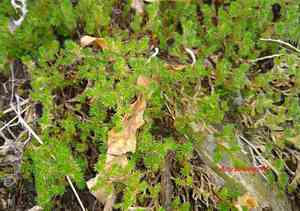
Rockloving spikemoss (Selaginella rupincola)
Also known as: Rupincola Spikemoss
Rockloving spikemoss (Selaginella rupestris) is a hardy lycophyte that excels in inhabiting rocky terrains such as cliffs and crevices. It typically forms dense mats, creating a cascading appearance with its small, scale-like leaves that can range from green to bronze hues. This plant is notably drought-tolerant, capable of surviving dry spells by reviving when moisture becomes available. Its reproductive structures, distinctive spore-bearing cones, stand out above the foliage, making it easily recognizable. This spikemoss is well-suited to nutrient-poor, well-drained environments and can be found in temperate regions across North America.
In This Article
Attributes of Rockloving spikemoss
Lifespan
Perennial
Plant Type
Fern
Plant Height
Up to 10 cm
Spread
Up to 30 cm
Leaf Color
Green, sometimes with a bluish or silvery tint
Flower Size
N/A - Plant does not produce flowers
Flower Color
N/A - Plant does not produce flowers
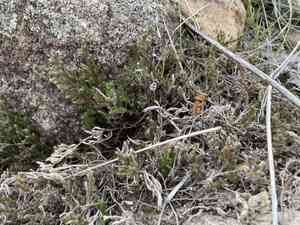
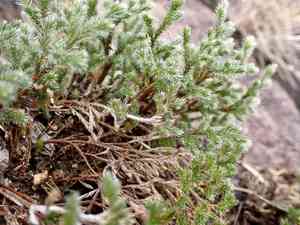
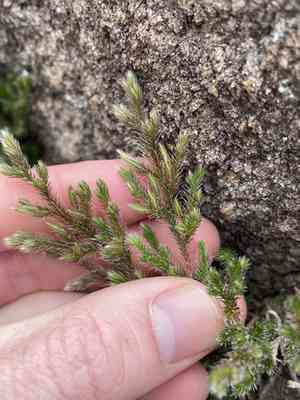
Images of Rockloving spikemoss
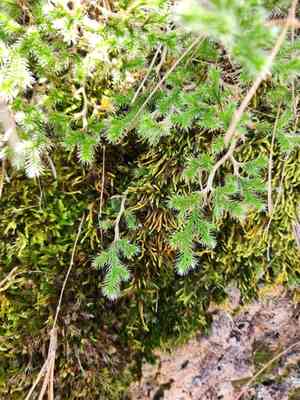
Quickly Identify Rockloving spikemoss
1
It can be identified by its small, scale-like leaves arranged in four rows along the stem. The plant has a distinctive moss-like appearance with a trailing or creeping habit.
Scientific Classification of Rockloving spikemoss
Phylum
Vascular plants
Class
Club mosses
Order
Selaginellales
Family
Spike-moss
Genus
Spikemosses
Species
Rockloving spikemoss
Planting and Growing of Rockloving spikemoss
Care Difficulty
Moderate
Watering Schedule
Every 3 days
Sunlight Requirements
Partial sun
Sunshine Duration
6-10 hours
Ideal Temperature
60-75℉
Soil Type
Potting Mix, Peat Mix
Soil pH
6.5-7.5
Fertilizer Type
Balanced
Pruning Season
Spring, Summer
Pruning Area
Branches, Leaves
Pruning Frequency
2 times a year
Repotting Season
Spring
Pot Type
Plastic, Ceramic
 How to Water Rockloving spikemoss?
When watering Selaginella rupincola, aim for 120 milliliters per session. The key is to ensure the soil is consistently moist but not waterlogged. This fern thrives in humidity, so water until you see slight drainage from the base, indicating sufficient moisture without saturation.
What are the symptoms of an underwatered Rockloving spikemoss?
›
What should I do if my Rockloving spikemoss is not getting enough water?
›
What are the symptoms of an overwatered Rockloving spikemoss?
›
How to save an overwatered Rockloving spikemoss?
›
 What Are the Sunlight Requirements for Rockloving spikemoss?
Partial sun means the plant should be exposed to sunlight for a limited time, ideally 4 to 6 hours daily. This balances light needs without overexposing the plant, enhancing its vibrant greenery and growth robustness.
What is the best location for Selaginella rupincola?
›
How can you ensure it receives ideal light?
›
What benefits arise from ideal lighting?
›
 What Is the Ideal Temperature Range for Rockloving spikemoss?
Selaginella rupincola thrives best within a temperature range of 60°F to 75°F. Maintaining this range ensures optimal metabolic activity and growth, leading to a healthy, vibrant plant. Consistent temperatures within this range prevent stress, promote photosynthesis and allow the plant to efficiently uptake nutrients.
 What Soil is Best for Rockloving spikemoss?
Selaginella rupincola thrives in well-draining soil that prevents waterlogging and root rot. This ensures that the plant's roots receive adequate oxygen and avoid suffocation, promoting healthier growth. A soil rich in organic matter supports Selaginella rupincola’s growth by supplying essential nutrients. This type of soil boosts the plant's resilience and enhances its lush foliage. The soil should hold a moderate amount of moisture that prevents excessive dryness without becoming waterlogged. This balance helps maintain the plant's turgidity and vitality.
 How to Fertilize Rockloving spikemoss?
For Selaginella rupincola, apply a diluted liquid fertilizer at a quarter of the recommended strength. This plant prefers low nutrient environments, so over-fertilization can easily occur. Use about 10 ml of diluted fertilizer per watering on average.
 How to Prune Rockloving spikemoss?
Check the plant for any dead, damaged, or unhealthy fronds. These are usually brown or withered in appearance and are the prime candidates for removal. Cut back any overgrown or unruly sections by trimming just above a node. This encourages branching and creates a fuller appearance. Always cut at a slight angle to promote effective water runoff.
More About Pruning Techniques→
 How to Propagate Rockloving spikemoss plant?
1
Choose healthy and robust stems with a length of around 4 to 5 inches. Make sure the leaves are vibrant and the stem is free of diseases or pests.
2
Prepare a substrate mix that is well-draining yet retains some moisture, such as a combination of peat moss and perlite or sand, which provides the necessary aeration.
3
Insert the cuttings into the substrate at an angle, ensuring that at least two nodes are buried. Water them slightly to maintain moisture, avoiding overwatering.
 How to Repot Rockloving spikemoss plant?
1
Selaginella rupincola usually signals the need for repotting when growth is stunted, roots are visible through drainage holes, or the soil dries out too rapidly. Early spring or summer is ideal as the plant is in its growth phase.
2
Select a pot slightly larger than the current one with good drainage holes. A pot that's too large can lead to overwatering, while a smaller pot restricts growth. Proper size ensures healthy root development and adequate moisture levels.
3
Opt for a mix that's well-draining yet retains some moisture. A combination of peat, perlite, and coarse sand works well. This ensures the roots get enough air, preventing root rot and promoting robust growth.



