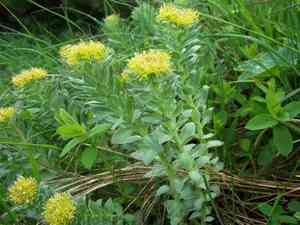
Roseroot stonecrop (Sedum rosea)
Also known as: Rose Root, Roseroot, Aaron's Rod
Roseroot stonecrop (Sedum rosea) is a hardy perennial plant that often serves as ornamental ground cover. It is native to cold, mountainous regions in Europe, Asia, and North America. This resilient species thrives in rocky, well-drained soils and can endure extreme conditions, including low temperatures and high altitudes.
In This Article
Attributes of Roseroot stonecrop
Lifespan
Perennial
Plant Type
Herb, Succulent
Plant Height
5 cm to 40 cm
Spread
30 cm
Leaf Color
Green Gray
Flower Size
8 cm
Flower Color
Yellow Pink Blue Red
Images of Roseroot stonecrop
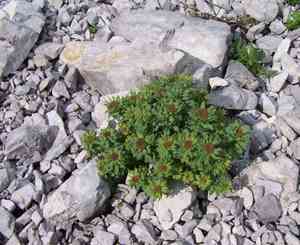
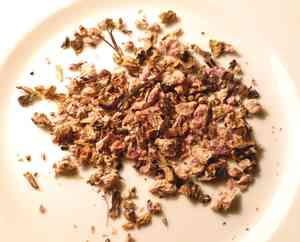
Quickly Identify Roseroot stonecrop
1
Sedum rosea can be identified by its thick, fleshy leaves that form a basal rosette. The leaves are typically blue-green and slightly waxy. During the flowering season, it produces yellow flowers in dense clusters at the top of a leafy stem.
Scientific Classification of Roseroot stonecrop
Phylum
Vascular plants
Class
Dicotyledons
Order
Saxifragales
Family
Stonecrop
Genus
Stonecrops
Species
Roseroot stonecrop
Planting and Growing of Roseroot stonecrop
Care Difficulty
Easy
Watering Schedule
Every 2 days
Sunlight Requirements
Full sun
Sunshine Duration
6-10 hours
Ideal Temperature
50-68℉
Soil Type
Potting Mix, Peat Mix
Soil pH
6.5-7.5
Fertilizer Type
Balanced
Pruning Season
Spring, Summer
Pruning Area
Branches, Leaves
Pruning Frequency
2 times a year
Repotting Season
Spring
Pot Type
Plastic, Ceramic
 How to Water Roseroot stonecrop?
When watering Sedum rosea, aim for around 150 ml per session. The soil should feel moist but never soggy. It's important to water thoroughly until the water starts to drain out of the pot to ensure the roots receive adequate hydration.
What are the symptoms of an underwatered Roseroot stonecrop?
›
What should I do if my Roseroot stonecrop is not getting enough water?
›
What are the symptoms of an overwatered Roseroot stonecrop?
›
How to save an overwatered Roseroot stonecrop?
›
 What Are the Sunlight Requirements for Roseroot stonecrop?
Sedum rosea's ideal light exposure is full sun to partial sun. Providing this range allows the plant to capitalize on full sunlight for optimum growth, floral vitality, and maintaining its compact form.
More About Sunlight Requirements Techniques→
What is the ideal amount of sunlight for Sedum rosea?
›
Why does Sedum rosea need this amount of sunlight?
›
How can I ensure my Sedum rosea gets enough sunlight?
›
 What Is the Ideal Temperature Range for Roseroot stonecrop?
The ideal temperature range for growing Sedum rosea is between 50°F and 68°F. This range supports optimal growth and flowering, ensuring the plant thrives by providing a balanced climate. Maintaining this temperature range helps in mimicking its natural alpine environment, which is crucial for its development.
 What Soil is Best for Roseroot stonecrop?
Sedum rosea thrives in soil that offers excellent drainage. This prevents waterlogging, which can lead to root rot. Drainage-friendly soils help maintain the plant's health and promote vigorous growth. While Sedum rosea is hardy, it benefits from soils that are moderately rich in nutrients. A soil enriched with organic matter supports its robust foliage and flowering, providing a lush and vibrant appearance. This plant prefers soil that maintains moderate moisture levels. Even though it is drought-tolerant, a balanced moisture supply during its active growth phase enhances its resilience and beauty.
 How to Fertilize Roseroot stonecrop?
For Sedum rosea, use a balanced, water-soluble fertilizer at half the recommended strength. Mix 1/2 tablespoon of liquid fertilizer per gallon of water and ensure the soil is moist before application to prevent root burn.
 How to Prune Roseroot stonecrop?
Begin by inspecting the plant for any dead or damaged stems from winter or previous seasons. Remove these by cutting them at the base or back to healthy growth with clean, sharp shears. To shape Sedum rosea, prune back leggy or overgrown stems to encourage a fuller, bushier appearance. Cut just above a pair of healthy leaves or a node to promote branching. To maximize flowering, remove the flower heads after they have bloomed and started to wilt. This process, known as deadheading, redirects energy back into the plant, stimulating new growth and blooms.
 How to Propagate Roseroot stonecrop plant?
1
Select healthy stems from the Sedum rosea plant, and use a sharp knife to cut about 3-4 inches of the stem. Ensure no flowers are present on the selected cutting.
2
Dip the cut end of the cutting into rooting hormone powder. This step is optional but recommended to improve root development and reduce propagation time.
3
Place the treated cuttings in a well-draining potting mix. Ensure the soil is moderately moist but not overly wet to prevent rot. The placement should allow for good air circulation.
 How to Repot Roseroot stonecrop plant?
1
Sedum rosea should be repotted when you notice roots emerging from the drainage holes, indicating that the plant has outgrown its current pot. This usually happens every 2-3 years, and the best time for this is in the spring or early summer when the plant is beginning its active growth phase.
2
Select a pot that is slightly larger than the current one, with adequate drainage holes. A clay pot is preferred, as it can help in moisture regulation by allowing better airflow. The right pot will provide more room for root growth and help prevent waterlogging, which is essential for the plant's health.
3
Opt for a well-draining succulent mix that consists of sand, perlite, and regular potting soil. This type of soil mimics the plant's natural rocky habitat, ensuring excellent drainage and preventing root rot, which is critical for Sedum rosea's well-being.



