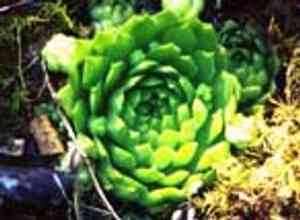
Widowscross (Sedum pulchellum)
Also known as: Glade Stonecrop, Pink Stonecrop
Sedum pulchellum, originating from the south-central and southeastern United States, is a robust winter annual. This plant is commonly cultivated for green roof systems, which not only help insulate buildings but also create habitats for wildlife.
In This Article
Attributes of Widowscross
Lifespan
Perennial, Annual, Biennial
Plant Type
Herb
Plant Height
15 cm to 30 cm
Spread
45 cm
Leaf Color
Green
Flower Size
0.2-0.3 inches (5-8 mm)
Flower Color
Pink
Images of Widowscross
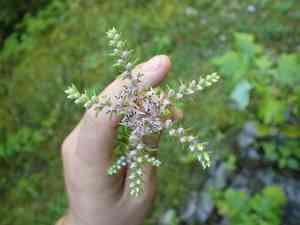
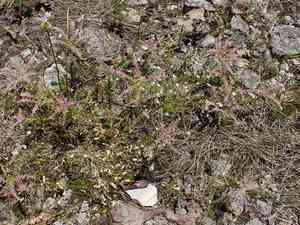
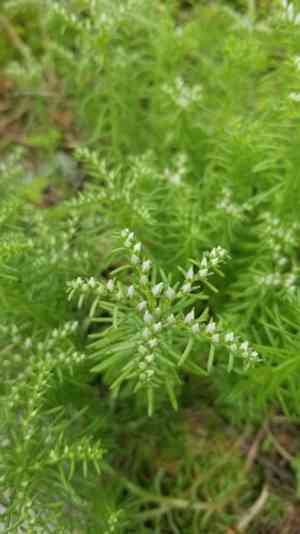

Quickly Identify Widowscross
1
Look for a low, mat-forming plant with bright green, fleshy leaves. In spring, it produces small pink star-shaped flowers arranged in corymbs. The stems turn reddish as they mature.
Scientific Classification of Widowscross
Phylum
Vascular plants
Class
Dicotyledons
Order
Saxifragales
Family
Stonecrop
Genus
Stonecrops
Species
Widowscross
Planting and Growing of Widowscross
Care Difficulty
Easy
Watering Schedule
Every 3 days
Sunlight Requirements
Full sun
Sunshine Duration
6-10 hours
Ideal Temperature
60-75℉
Soil Type
Potting Mix, Peat Mix
Soil pH
6.5-7.5
Fertilizer Type
Balanced
Pruning Season
Spring, Summer
Pruning Area
Branches, Leaves
Pruning Frequency
2 times a year
Repotting Season
Spring
Pot Type
Ceramic, Plastic
 How to Water Widowscross?
For Sedum pulchellum, ensuring the soil is moist but not saturated is crucial. Water with approximately 100 ml until the soil feels damp to the touch but never soggy. The key is to allow the soil to dry out between watering sessions, as this plant prefers a well-drained environment to mimic its natural habitats.
What are the symptoms of an underwatered Widowscross?
›
What should I do if my Widowscross is not getting enough water?
›
What are the symptoms of an overwatered Widowscross?
›
How to save an overwatered Widowscross?
›
 What Are the Sunlight Requirements for Widowscross?
Sedum pulchellum requires an ideal light condition of full sun to partial sun for optimal health and growth. This light range promotes effective photosynthesis and enhances the plant's vibrant colors and structural strength, resulting in a lush and vigorous plant.
More About Sunlight Requirements Techniques→
How much light does Sedum pulchellum need?
›
What solutions exist for optimal lighting?
›
What are the benefits of ideal lighting?
›
 What Is the Ideal Temperature Range for Widowscross?
The ideal temperature range for 'Sedum pulchellum' lies between 60°F and 75°F. This range ensures optimal growth and metabolic function. At these temperatures, the plant can effectively photosynthesize and absorb nutrients from the soil. Temperature stability around this range supports flowering and overall plant vigor, promoting a robust and healthy Sedum pulchellum.
 What Soil is Best for Widowscross?
Sedum pulchellum thrives in well-drained soil, which prevents water from accumulating and roots from rotting. This necessity ensures that the roots get enough air, promoting vigorous growth and overall plant health. Although Sedum pulchellum is not demanding in terms of soil fertility, it still benefits from moderate nutrient content. This environment provides enough resources for the plant to sustain its development without causing overgrowth or nutrient burn. Sedum pulchellum prefers soil with a pH that is neutral to slightly alkaline, between 6.5 and 7.5. Such pH levels help in the effective availability of nutrients, ensuring that the plant's growth requirements are met.
 How to Fertilize Widowscross?
For Sedum pulchellum, it is vital to adhere to a modest amount of fertilizer due to its succulent nature. Typically, using a diluted solution of liquid fertilizer, about 1/4 the strength of the recommended dose, is sufficient to meet its nutritional needs without overwhelming the plant.
 How to Prune Widowscross?
Begin by sterilizing your pruning shears to prevent disease transmission. Gently remove any dead or yellowing leaves to allow more energy for new, healthier growth. Trim leggy stems to encourage a more compact and bushy appearance. Make your cuts just above a leaf node to promote optimal regrowth. To maintain its appealing form, shape Sedum pulchellum by trimming back overextended growth. Aim to keep its natural rosette form while reducing any excessively elongated stems. This helps maintain a balanced aesthetic and supports better airflow around the plant.
 How to Propagate Widowscross plant?
1
Fill seed trays with a well-draining, sterile potting mix. Scatter seeds over the surface and lightly cover them with more mix. Water gently to avoid dislodging the seeds, and place the trays in a warm location with indirect light. Keep the soil consistently moist but not waterlogged until germination occurs.
2
Using sharp scissors, cut a healthy non-flowering stem approximately 4-6 inches long. Remove the lower leaves to prevent rotting and dip the cut end in rooting hormone. Plant the cutting in moist potting soil, firm it gently, and water it lightly.
3
Carefully dig up the mature plant and gently shake off excess soil. Using your hands or a clean tool, divide the clump into smaller sections, ensuring each division has roots attached. Replant the divisions at the same depth they were growing initially, and water them thoroughly.
 How to Repot Widowscross plant?
1
Look for signs such as roots growing through drainage holes or the plant appearing cramped in its pot. Sedum pulchellum benefits from repotting when growth seems sluggish or the current soil has degraded.
2
Select a pot with drainage holes, slightly larger than the current one. This allows roots to expand without overwhelming them with too much space, ensuring health and growth stability for Sedum pulchellum.
3
Opt for well-draining soil rich in organic matter. A cactus mix is ideal, providing aeration and preventing rot while supporting the plant's succulent nature and nutrient requirements.



