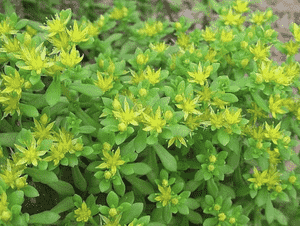
Carpet sedum (Sedum lineare)
Also known as: Sea urchin
Carpet sedum (Sedum lineare), also known as variegated stonecrop or needle stonecrop, is an extremely low-maintenance plant. It has earned the nickname "stonecrop" because, as farmers humorously note, "only stones need less care than sedum." Additionally, this resilient plant often thrives over stones and rocks, adding to its charming, natural appeal in various garden settings.
In This Article
Attributes of Carpet sedum
Lifespan
Perennial
Plant Type
Succulent, Herb
Plant Height
10 cm to 20 cm
Spread
60 cm
Leaf Color
Green
Flower Size
4 cm to 8 cm
Flower Color
Yellow
Images of Carpet sedum
Quickly Identify Carpet sedum
1
Low-lying mat growth
2
Bright yellow flowers in lax cyme
3
Linear, succulent leaves in whorls of three
Scientific Classification of Carpet sedum
Phylum
Vascular plants
Class
Dicotyledons
Order
Saxifrages, stonecrops and allies
Family
Stonecrop
Genus
Stonecrops
Species
Carpet sedum
Planting and Growing of Carpet sedum
Care Difficulty
Easy
Watering Schedule
Every 2 days
Sunlight Requirements
Full sun
Sunshine Duration
4-6 hours
Ideal Temperature
65-75℉
Soil Type
Potting Mix, Peat Mix
Soil pH
6.5-7.5
Fertilizer Type
Balanced
Pruning Season
Spring, Summer
Pruning Area
Branches, Leaves
Pruning Frequency
2 times a year
Repotting Season
Spring
Pot Type
Plastic, Ceramic
 How to Water Carpet sedum?
For Sedum lineare, it's important to ensure the soil is well-moistened without being waterlogged. The ideal watering amount is 150 ml per session, enough to make the soil moist yet quickly drying out, mimicking its natural rocky habitat.
More About Watering Techniques→
What are the symptoms of an underwatered Carpet sedum?
›
What should I do if my Carpet sedum is not getting enough water?
›
What are the symptoms of an overwatered Carpet sedum?
›
How to save an overwatered Carpet sedum?
›
 What Are the Sunlight Requirements for Carpet sedum?
Sedum lineare flourishes under full to partial sun, optimally in regions that receive unfiltered light for several hours daily. This ideal lighting ensures healthy growth, enhanced structural integrity, and more vivid leaf coloration.
More About Sunlight Requirements Techniques→
How much sunlight does Sedum lineare require?
›
What happens if Sedum lineare doesn't get enough light?
›
What should I do if Sedum lineare receives too much sun?
›
 What Is the Ideal Temperature Range for Carpet sedum?
Sedum lineare thrives best in temperatures ranging from 65°F to 75°F. Within this range, the plant's physiological processes such as photosynthesis and respiration occur optimally, ensuring healthy growth and vibrant foliage. The moderate warmth helps in maintaining its succulent nature without causing any stress from excessive heat or chill, making it ideal for both indoor and outdoor growth during warm seasons.
 What Soil is Best for Carpet sedum?
Sedum lineare thrives in soils that drain well, preventing water from pooling around the roots. Good drainage helps avoid root rot, keeping the plant healthy and robust even in wetter conditions. While not fussy, Sedum lineare benefits from moderately fertile soil. This level of fertility provides essential nutrients without overwhelming the plant, promoting steady growth and a fuller appearance. A soil structure that remains aerated promotes healthy root growth for Sedum lineare. Proper aeration facilitates nutrient uptake and root expansion, contributing to a more resilient and bushy plant.
More About Soil→
 How to Fertilize Carpet sedum?
Sedum lineare, also known as carpet sedum, requires a light hand when it comes to fertilization. Use a balanced liquid fertilizer diluted to half strength, ensuring not to over-fertilize, as this can harm the plant instead of nourishing it. Apply approximately 100ml per plant for liquid fertilizer.
 How to Prune Carpet sedum?
Start by inspecting the plant for any dead or damaged stems or leaves. Use clean, sharp scissors or pruning shears. Trim these parts first to prevent any disease from spreading. Next, look for any overgrown or leggy parts and cut back to just above the leaf nodes to encourage denser growth. Sedum lineare can grow quite wild if left unchecked. To maintain a tidy appearance, trim the plant to create a more compact shape. Focus on maintaining symmetry by cutting back more extended sections to match the rest of the plant's growth.
 How to Propagate Carpet sedum plant?
1
Choose a healthy stem with several pairs of leaves. Make a clean cut with a sharp knife just below a node. Ensure that the stem section is about 3–4 inches long for optimal growth prospects.
2
Remove the lower leaves from the cutting, leaving a few pairs of leaves at the top. This helps reduce moisture loss and promotes rooting by minimizing unnecessary leaf surface area.
3
Dip the cut end of the stem in rooting hormone and plant it in well-draining soil. Firm the soil around the cutting to ensure stability and water lightly to settle the soil.
 How to Repot Carpet sedum plant?
1
Sedum lineare typically needs repotting when you notice roots peeking out from the bottom holes of the pot or if the soil dries out too quickly. These indicators mean the plant's roots require more space, or the soil has degraded significantly in quality. The best time to repot is during its growth seasons, spring or summer, allowing it to adjust smoothly and thrive.
2
Select a pot that is slightly larger than the current one, with good drainage holes to prevent waterlogging, which can cause root rot. An unglazed terracotta pot is ideal as it allows excess moisture to evaporate, thus keeping the plant's roots healthy and dry. Aesthetic is important too; choose a pot that complements both the plant and your space.
3
Opt for a well-draining cactus or succulent mix, enriched with perlite or sand for added drainage. This soil type mimics Sedum lineare's natural environment, ensuring the roots stay aerated and avoid rot. The mixture helps the plant maintain its vibrant growth pattern and prevents common issues associated with poor drainage.



