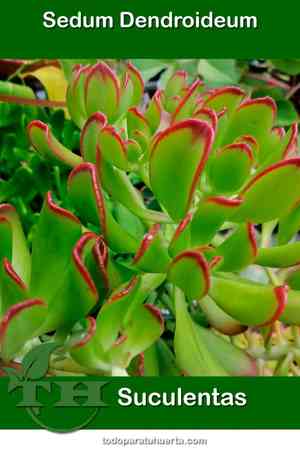
Tree stonecrop (Sedum dendroideum)
Also known as: Greater mexican-stonecrop, Bush sedum
Tree stonecrop (Sedum dendroideum) is a perennial shrub originating from Mexico. It thrives in warm, dry conditions but is also capable of withstanding cooler temperatures. This plant has become naturalized in California and is frequently grown in gardens.
In This Article
Attributes of Tree stonecrop
Lifespan
Perennial
Plant Type
Succulent, Shrub
Plant Height
30 cm
Spread
45 cm
Leaf Color
Green
Flower Size
1-2 cm (0.4-0.8 inches)
Flower Color
Yellow Green
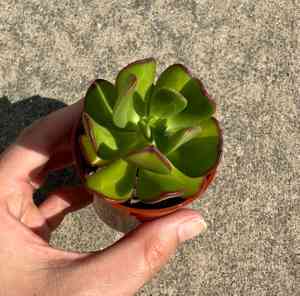
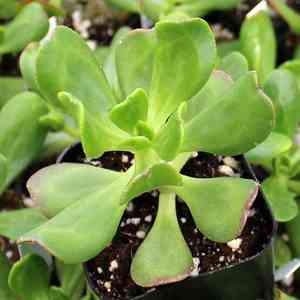
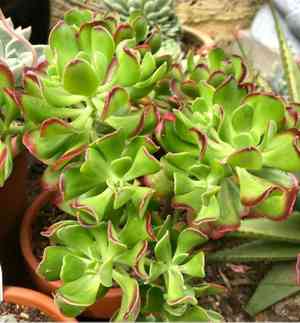
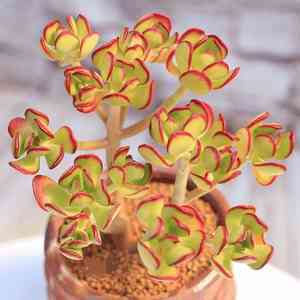
Images of Tree stonecrop
Quickly Identify Tree stonecrop
1
Shrubby plant reaching 1-3 feet (30-91 cm) tall with 3-4 feet (91-122 cm) spread.
2
Distinctive spathulate leaves with reddish subepidermal glands and ovate shape.
3
Clusters of bright yellow, star-shaped flowers in late winter to early spring.
4
Drought-tolerant, suitable for low-maintenance landscapes.
Scientific Classification of Tree stonecrop
Phylum
Vascular plants
Class
Dicotyledons
Order
Saxifragales
Family
Stonecrop
Genus
Stonecrops
Species
Tree stonecrop
Planting and Growing of Tree stonecrop
Care Difficulty
Easy
Watering Schedule
Every 2 days
Sunlight Requirements
Full sun
Sunshine Duration
6-10 hours
Ideal Temperature
60-75℉
Soil Type
Potting Mix, Peat Mix
Soil pH
6.5-7.5
Fertilizer Type
Balanced
Pruning Season
Spring, Summer
Pruning Area
Branches, Leaves
Pruning Frequency
2 times a year
Repotting Season
Spring
Pot Type
Plastic, Ceramic
 How to Water Tree stonecrop?
The amount of water needed for Sedum dendroideum should be enough to moisten the soil throughout, but not so much that it becomes waterlogged. Typically, about 200 ml per watering session suffices. Always adjust based on the plant's specific environment, ensuring the soil dries out between waterings.
More About Watering Techniques→
What are the symptoms of an underwatered Tree stonecrop?
›
What should I do if my Tree stonecrop is not getting enough water?
›
What are the symptoms of an overwatered Tree stonecrop?
›
How to save an overwatered Tree stonecrop?
›
 What Are the Sunlight Requirements for Tree stonecrop?
Sedum dendroideum prefers full to partial sun, thriving with about six to eight hours of light. Ideal lighting encourages healthy foliage, vibrant coloring, and prolific flowering, enhancing the plant's ornamental value.
More About Sunlight Requirements Techniques→
What is the ideal sunlight condition for Sedum dendroideum?
›
How to achieve ideal light for Sedum dendroideum if my garden is shady?
›
What are the benefits of providing ideal light conditions to Sedum dendroideum?
›
 What Is the Ideal Temperature Range for Tree stonecrop?
Sedum dendroideum thrives best in temperatures ranging from 60°F to 75°F. This temperature range provides optimal conditions for photosynthesis and growth, ensuring the plant develops healthy foliage and root structures. Maintaining the temperature within this range promotes vigorous growth and flowering.
 What Soil is Best for Tree stonecrop?
Sedum dendroideum thrives in well-draining soil. Proper drainage prevents root rot and promotes healthy root systems, essential for water and nutrient uptake. While not overly demanding, this plant benefits from moderately fertile soil, which supplies it with necessary nutrients to support its vibrant foliage and growth. Preferring drier conditions, Sedum dendroideum is adapted to soils with lower moisture. This reduces the risk of fungal diseases and helps maintain the plant’s natural habitat conditions.
More About Soil→
 How to Fertilize Tree stonecrop?
For Sedum dendroideum, a moderate amount of fertilizer is needed. Use about one teaspoon of water-soluble fertilizer diluted in a gallon of water. Over-fertilizing can harm the plant, so it's crucial to stick to these measured amounts.
 How to Prune Tree stonecrop?
To start pruning your Sedum dendroideum, first ensure you have a pair of clean, sharp pruning shears. Begin by gently inspecting your plant for any dead or damaged stems. Remove these by making a clean cut just above a healthy leaf node. Pruning not only helps maintain the aesthetic shape of the plant but also encourages new growth, making your Sedum dendroideum lusher and more vibrant. If your Sedum dendroideum is overgrown or has become unkempt, shape the plant by selectively trimming excess growth. Focus on the taller stems to keep the plant even and balanced. It's essential to trim back no more than one-third of the plant at a time to minimize stress and ensure healthy recovery and regrowth. Shaping your Sedum dendroideum can prevent the plant from becoming leggy and helps it maintain a full, bushy appearance.
 How to Propagate Tree stonecrop plant?
1
Choose a healthy Sedum dendroideum plant without any signs of disease or pest infestation. A robust parent plant increases the success rate of propagation.
2
Cut 3-5 inch sections of the stem. Remove the leaves from the lower part of the cutting to prevent rot. Let the cuttings dry for a few days to callous.
3
Gently press seeds into the soil surface without burying them too deep. Maintain steady moisture and cover with a plastic lid or wrap to retain humidity.
 How to Repot Tree stonecrop plant?
1
Sedum dendroideum signals the need for repotting through apparent signs like overcrowding in its current pot or emerging roots from the drainage holes. The best time to repot is when growth starts picking up in spring or summer.
2
Choose a clay or terracotta pot with drainage holes, one size larger than the current pot. These materials provide stability and promote evaporation of excess water, reducing the risk of root rot for your Sedum dendroideum.
3
Opt for a well-draining cactus mix soil that imitates the plant's natural arid habitat. This type of soil ensures that water doesn't linger, preventing root rot and supporting healthy growth.
Toxicity
Ingestion
WARNING
The judgment on toxicity and danger is for reference only. We DO NOT GUARANTEE any accuracy of such judgment. Therefore, you SHALL NOT rely on such judgment. It is IMPORTANT TO SEEK PROFESSIONAL ADVICE in advance when necessary.



