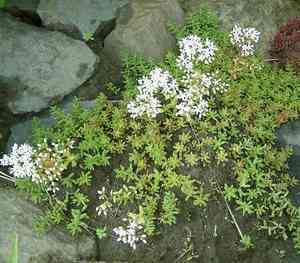
White stonecrop (Sedum album)
Also known as: Sedum athoum, Hardy baby tears, Small houseleek, Thick-leaved stonecrop
White stonecrop (Sedum album) is well-suited for growth in temperate climates and thrives in dry, well-drained environments such as rocky soils and crevices. It is commonly found in locations like walls, dry slopes, coastal rocks, and rocky fields. This low-growing plant is adapted to survive in thin, nutrient-poor soils and typically does not fare well in competition with faster-growing species.
In This Article
Attributes of White stonecrop
Lifespan
Perennial, Annual
Plant Type
Herb
Plant Height
8 cm to 20 cm
Spread
45 cm
Leaf Color
Green Red
Flower Size
5 mm to 1 cm
Flower Color
White Pink
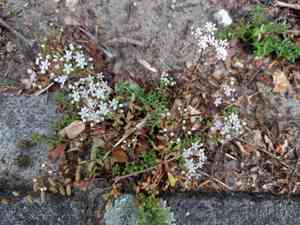
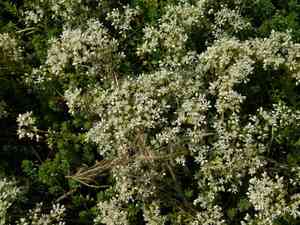
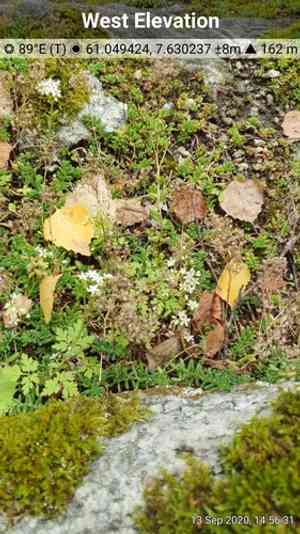
Images of White stonecrop
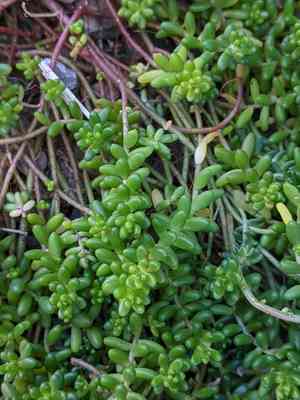
Quickly Identify White stonecrop
1
Mat-like foliage envelopes soil or stone surface.
2
Tiny, star-shaped white flowers in clusters.
3
Leaves are succulent, stalkless, and cylindrical.
4
Flowers attract butterflies as pollinators.
5
Upright plant with horizontal spreading tendency.
Scientific Classification of White stonecrop
Phylum
Vascular plants
Class
Dicotyledons
Order
Saxifragales
Family
Stonecrop
Genus
Stonecrops
Species
White stonecrop
Planting and Growing of White stonecrop
Care Difficulty
Easy
Watering Schedule
Every day
Sunlight Requirements
Full sun
Sunshine Duration
4-8 hours
Ideal Temperature
60-75℉
Soil Type
Potting Mix, Peat Mix
Soil pH
6.5-7.5
Fertilizer Type
Balanced
Pruning Season
Spring, Summer
Pruning Area
Branches, Leaves
Pruning Frequency
2 times a year
Repotting Season
Spring
Pot Type
Plastic, Ceramic
 How to Water White stonecrop?
Sedum album thrives in dry conditions, so the watering principle is 'less is more.' Ensure the soil is completely dry before watering again, and give about 100ml each time, just enough to moisten the soil without soaking it.
More About Watering Techniques→
What are the symptoms of an underwatered White stonecrop?
›
What should I do if my White stonecrop is not getting enough water?
›
What are the symptoms of an overwatered White stonecrop?
›
How to save an overwatered White stonecrop?
›
 What Are the Sunlight Requirements for White stonecrop?
Partial to full sun provides Sedum album with the necessary energy for optimal growth. Such lighting ensures vibrant color, healthy foliage, and an overall strong, thriving plant.
More About Sunlight Requirements Techniques→
What are Sedum album's light requirements?
›
How to achieve ideal lighting for Sedum album?
›
What benefits does ideal lighting have for Sedum album?
›
 What Is the Ideal Temperature Range for White stonecrop?
Sedum album thrives best within a temperature range of 60°F to 75°F. This range ensures optimal growth and development, as it mimics the plant's native habitat conditions. When grown within this range, Sedum album can efficiently conduct photosynthesis, ensuring a healthy and robust plant.
 What Soil is Best for White stonecrop?
Sedum album thrives in areas where water can drain efficiently, preventing root rot. Well-drained soil keeps the plant healthy and robust, reducing the risk of fungal diseases. While not overly demanding, Sedum album benefits from soils enriched with minerals. The presence of adequate nutrients ensures lush growth and vibrant foliage, enhancing its ornamental value. Having space for air within the soil helps the roots breathe, promoting a healthy root environment. This oxygen exchange is crucial for sustaining life and energy flow to the plant's structure.
More About Soil→
 How to Fertilize White stonecrop?
For Sedum album, a light hand is needed when it comes to fertilization. A diluted liquid fertilizer with a ratio of 10-10-10 can be used. Apply it at half strength to avoid overwhelming the plant, which prefers leaner soil conditions. Too much fertilizer can lead to leggy growth, so keep it minimal.
 How to Prune White stonecrop?
Use clean, sharp scissors or garden shears to ensure you make precise cuts. This prevents unnecessary damage and reduces the risk of infection, ensuring a quick recovery for your Sedum album. Focus on stems that appear overgrown, leggy, or are shading lower leaves. Cut above a leaf node, which is the point where a leaf attaches to the stem, to encourage new growth from that spot. When pruning, aim to maintain a natural, balanced shape. Avoid cutting back more than one-third of the plant at any time, as excessive pruning can stress the plant, slowing down recovery and growth.
 How to Propagate White stonecrop plant?
1
Begin by filling propagation trays with a well-draining soil mix. Lightly sprinkle Sedum album seeds on the surface and gently water. Ensure trays are in a well-lit, warm location to encourage germination, which typically happens in 2-3 weeks.
2
Select healthy, non-flowering stems for cuttings. Cut below a node and remove lower leaves. Dip the cut end in rooting hormone and place it in damp soil. Maintain moisture but avoid waterlogging to encourage root formation.
3
Carefully dig up established Sedum album, and divide the root ball into sections using a sharp knife. Replant divisions into new pots with fresh soil, ensuring roots are well-covered and watered in thoroughly.
 How to Repot White stonecrop plant?
1
The perfect time to repot Sedum album is when you notice roots poking out of the drainage holes or the plant has outgrown its current home. Ideally, this should align with its growing season in spring or early summer for best results.
2
Select a pot that is just one size larger than the current pot, made from a porous material like clay or terracotta. This helps in evaporating excess moisture quickly, preventing root rot—a common issue for succulents.
3
Opt for well-draining cactus or succulent soil. Such soil prevents water from stagnating around the roots, thus greatly reducing the risk of overwatering. Proper aeration in the soil is key to healthy root development.



