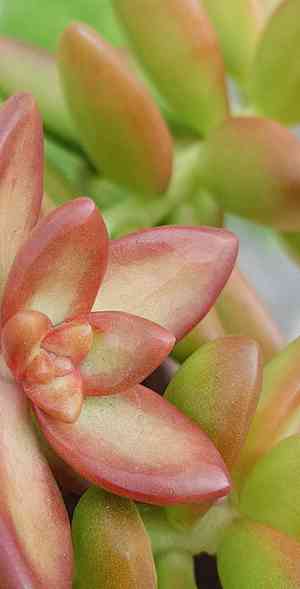
Sedum adolphi (Sedum adolphi)
Also known as: Golden Glow, Golden Sedum, Golden Donkey Tail
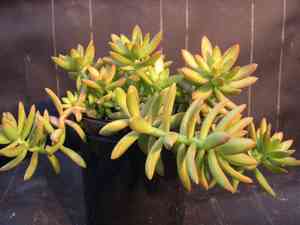
Sedum adolphi, also referred to as the coppertone stonecrop or golden Sedum, belongs to the Crassulaceae family of succulent plants. It is often misspelt as Sedum adolphii. Its natural habitat is the rocky terrains and cliff faces of Mexico. The plant has managed to propagate naturally also in Sicily and the Canary Islands. It is identified by its distinctive bright orange-copper leaves and blooms white flowers in spring season.
In This Article
Attributes of Sedum adolphi
Lifespan
Perennial - grows all year round
Plant Height
20 cm
Spread
30 cm
Leaf Color
Golden to lime-green, orange-red edges in high light
Flower Size
1 cm
Flower Color
White
Images of Sedum adolphi
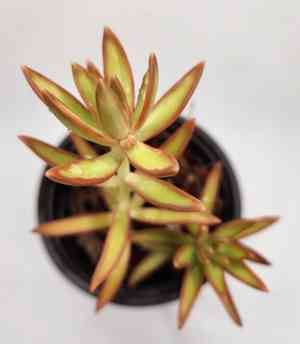
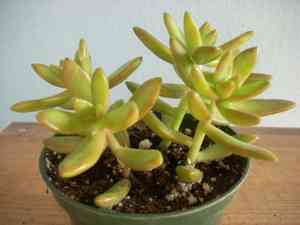
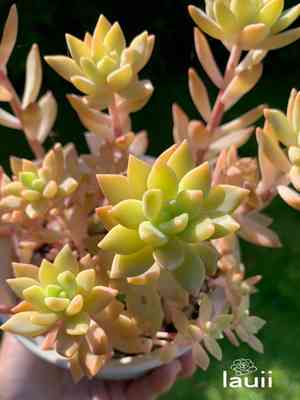
Quickly Identify Sedum adolphi
1
Sedum adolphi is a perennial succulent plant identified by its sprawling habit and the egg-shaped golden to lime-green leaves. Its flowers are small, star-shaped, and white.
Scientific Classification of Sedum adolphi
Phylum
Tracheophyta
Class
Magnoliopsida
Order
Saxifragales
Family
Crassulaceae
Genus
Sedum
Species
S. adolphi
Planting and Growing of Sedum adolphi
Care Difficulty
Easy
Watering Schedule
Every 2 days
Sunlight Requirements
Full sun
Sunshine Duration
6-8 hours
Ideal Temperature
65-75℉
Soil Type
Potting Mix, Peat Mix
Soil pH
6-7.5
Fertilizer Type
Balanced
Pruning Season
Spring, Summer
Pruning Area
Branches, Leaves
Pruning Frequency
2 times a year
Repotting Season
Spring
Pot Type
Terracotta, Plastic
 How to Water Sedum adolphi?
For Sedum adolphi, water thoroughly until the soil is moist but not waterlogged. Ensure excess water drains out to prevent root rot. Use a measuring container to apply around 150 ml each session, adjusting based on soil and environmental conditions.
What are the symptoms of an underwatered Sedum adolphi?
›
What should I do if my Sedum adolphi is not getting enough water?
›
What are the symptoms of an overwatered Sedum adolphi?
›
How to save an overwatered Sedum adolphi?
›
 What Are the Sunlight Requirements for Sedum adolphi?
Sedum adolphi thrives in conditions ranging from partial sun to full sun. Ideal lighting promotes vigorous growth, enhances the pigmentation of its leaves, and stimulates flowering, resulting in a robust and attractive plant.
How much sunlight does Sedum adolphi need?
›
What are the solutions for providing optimal light?
›
What are the benefits of ideal lighting for Sedum adolphi?
›
 What Is the Ideal Temperature Range for Sedum adolphi?
The ideal temperature range for Sedum adolphi, also known as Golden Sedum, is between 65°F to 75°F. This range promotes optimal growth and vibrant coloration in the plant, mimicking the warm conditions the plant would naturally experience in its native habitat in Mexico. Consistent temperatures within this range encourage healthy photosynthesis and deter stress-related issues that can occur with temperature fluctuations.
 What Soil is Best for Sedum adolphi?
Sedum adolphi thrives best in well-drained soil, which prevents water from accumulating around the roots. This is essential to avoid root rot, a common issue in succulents. Good drainage ensures that the roots receive the right amount of moisture, supporting the plant's growth and vibrant appearance. Unlike many other plants, Sedum adolphi does not require nutrient-rich soil. It can thrive in poorer soils where other plants might struggle. This makes it an excellent choice for gardens with low fertility, as it reduces the need for frequent fertilization, making maintenance easier. The plant prefers a light soil texture, such as sandy soil or loam. This allows for easy penetration of roots and promotes better aeration. Light soils also tend to heat up quicker, providing warm conditions that are favorable for the growth of Sedum adolphi.
 How to Fertilize Sedum adolphi?
For Sedum adolphi, a light hand with fertilizer is wise. Over-fertilizing can lead to soft, leggy growth. Use a balanced, water-soluble fertilizer at half strength, once a month during active growth seasons.
 How to Prune Sedum adolphi?
Begin by using clean, sharp scissors or pruning shears to trim away any wilted, dead, or damaged leaves. Focus on areas where the plant is becoming too leggy or extending beyond its boundaries. This allows fresh, healthy growth to emerge. Pay special attention to removing any stems that are not receiving adequate light, as they are likely to grow weak and unattractive.
 How to Propagate Sedum adolphi plant?
1
Choose a healthy stem from the mother plant, ideally with several leaves and no signs of disease or damage. This ensures that the cutting is robust and has a better chance of successful propagation.
2
Using sharp scissors or pruning shears, cut a segment of the stem approximately 4-6 inches long. Remove any lower leaves to leave a clear stem for planting, allowing at least a few leaves at the top.
3
Allow the cutting to sit in a dry, shaded area for several days until the cut end forms a callus. This helps prevent rot once the cutting is planted in soil.
 How to Repot Sedum adolphi plant?
1
Repotting Sedum adolphi should occur when the plant outgrows its current pot, as indicated by roots poking through the drainage holes or becoming overcrowded at the surface. Another signal is when the soil retains moisture for too long, suggesting compaction. Repotting in spring or summer ensures optimal growth response.
2
Select a pot that is only slightly larger than the current one, ideally no more than 1-2 inches in diameter wider. A pot with drainage holes is essential to prevent waterlogging and root rot. The material of the pot, such as terracotta, can assist in moisture regulation, helping the plant thrive.
3
Use a well-draining succulent mix, which mimics Sedum adolphi's natural environment. This type of soil prevents root rot by allowing excess water to drain quickly, and it provides the necessary aeration. A mix containing perlite or pumice is ideal for maintaining the right moisture balance.

