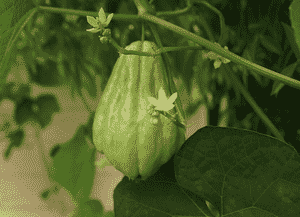
Chayote (Sechium edule)
Also known as: Choke, Christophine, Pepineca, Alligator pear, Choko
Chayote, a squash from the gourd family, has been a staple in Latin American cuisine for a long time. It can be enjoyed both raw and cooked, offering a mildly sweet flavor reminiscent of cucumber.
In This Article
Attributes of Chayote
Lifespan
Perennial, Annual
Plant Type
Herb, Vine
Plant Height
12 m
Spread
50 cm
Leaf Color
Green
Flower Size
1-3 cm
Flower Color
White Green Yellow
Images of Chayote
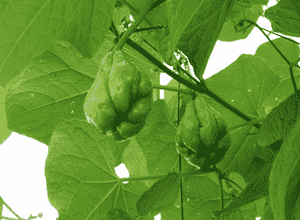
Quickly Identify Chayote
1
Look for heart-shaped, wrinkled fruits with a single seed, and vine-like growth with tendrils and broad leaves.
Scientific Classification of Chayote
Phylum
Vascular plants
Class
Dicotyledons
Order
Cucurbitales
Family
Gourd
Genus
Sechium
Species
Chayote
Planting and Growing of Chayote
Care Difficulty
Easy
Watering Schedule
Every 8 days
Sunlight Requirements
Full sun
Sunshine Duration
4-8 hours
Ideal Temperature
68-77℉
Soil Type
Potting Mix, Peat Mix
Soil pH
5.5-7.5
Fertilizer Type
Balanced
Pruning Season
Spring, Summer
Pruning Area
Branches, Leaves
Pruning Frequency
2 times a year
Repotting Season
Spring
Pot Type
Terracotta, Plastic
 How to Water Chayote?
For Sechium edule, ensure that you water the plant deeply but not excessively, aiming for about 500 milliliters per watering session. It's important to water it until the soil is moist down to a couple of inches but not waterlogged. Ensure proper drainage to prevent the roots from sitting in water.
More About Watering Techniques→
What are the symptoms of an underwatered Chayote?
›
What should I do if my Chayote is not getting enough water?
›
What are the symptoms of an overwatered Chayote?
›
How to save an overwatered Chayote?
›
 What Are the Sunlight Requirements for Chayote?
The ideal lighting for Sechium edule is full sun to partial sun. This range allows the plant to maximize energy absorption for robust growth, vibrant foliage, and ample fruit production. Proper sunlight exposure ensures optimal development.
More About Sunlight Requirements Techniques→
What is the ideal sunlight requirement for Sechium edule?
›
How can I ensure Sechium edule gets the ideal sunlight exposure?
›
What benefits does Sechium edule experience from ideal sunlight exposure?
›
 What Is the Ideal Temperature Range for Chayote?
The ideal temperature range for growing Sechium edule is between 68°F to 77°F. Within this range, the plant can optimize its physiological processes such as photosynthesis and nutrient uptake. Maintaining these temperatures can help ensure robust growth and a higher yield of fruit. Consistent temperatures within this range are most desirable for the plant's development and fruiting stages.
 What Soil is Best for Chayote?
Sechium edule thrives in well-draining soil which prevents root rot by ensuring that excess water is efficiently drained away. This not only keeps the plant healthy but also optimizes nutrient uptake, contributing to vigorous growth. The plant requires soil rich in organic matter, which supports its fast growth and abundant fruit production. Composing the soil with organic materials boosts essential nutrients, enhancing plant vigor and fruit yield. Even though well-draining, the soil should retain adequate moisture to support the constant water needs of Sechium edule. This balance prevents dehydration and facilitates sustained growth activities throughout its lifecycle.
More About Soil→
 How to Fertilize Chayote?
For Sechium edule, a moderate amount of fertilizer is ideal. Typically, use a balanced liquid fertilizer at half the recommended strength to avoid over-fertilization. This ensures the plant gets sufficient nutrients without overwhelming its root system.
More About Fertilizing Techniques→
 How to Prune Chayote?
Start by gathering the appropriate tools such as sharp pruning shears or scissors. Ensure they are well-sanitized to prevent any disease transmission. Having the right tools will make the task easier and ensure clean cuts. Look for any dead, damaged, or diseased stems and leaves. These should be removed first as they can hinder the plant's development and attract pests. This step is crucial for maintaining the plant's overall health. Once you've removed the damaged parts, focus on maintaining the plant's shape and size by cutting back overgrown stems. This will not only keep the plant manageable but also allow for better light and air circulation. Pay special attention to the vines that are responsible for bearing fruits. Prune them lightly to stimulate the growth of more flowers and fruits, ensuring you don't remove potential buds that will develop into new chayotes.
More About Pruning Techniques→
 How to Propagate Chayote plant?
1
Start by selecting healthy, fully mature Sechium edule seeds. Soak them in water overnight to soften the seed coat and improve germination rates. Plant them about an inch deep in seedling trays filled with a well-draining potting mix.
2
Choose a healthy vine from a mature Sechium edule plant. Using a pair of sharp pruning shears, cut 6-8 inch long sections of the vine just below a node, as this is where roots will most likely form during propagation.
3
Dip the cut end of each cutting in rooting hormone to encourage root growth. Plant the cuttings in a moist substrate, such as a mix of perlite and peat, and keep them in a warm, humid environment until roots develop.
 How to Repot Chayote plant?
1
Sechium edule requires repotting when signs of root crowding appear, typically every one to two years. Look for stunted growth or roots emerging from drainage holes, as these indicate the need for more space to expand.
2
Select a pot that is slightly larger than the current one, ensuring it has adequate drainage holes. A pot too large can lead to overwatering, while a proper size allows for balanced growth and healthy root expansion, avoiding waterlogged conditions.
3
Opt for a well-draining, loamy soil mix enriched with organic matter to support Sechium edule. This mix ensures the roots have access to vital nutrients and prevents waterlogging, facilitating healthy plant growth and vitality.
Learn More About Chayote Diseases
Anthracnose
Bacterial Leaf Spot
Bacterial Soft Rot
Bacterial Wilt
Chemical Injury
Damping-off
Downy Mildew
Drought Stress
Fusarium Wilt
Gray Mold
Leaf Curl
Leaf Spot
Mosaic
Nutrient Deficiency
Nutrient Toxicity
Powdery Mildew
Root Rot
Root-knot Nematode
Sooty Mold
Spider Mites
Temperature Stress
Thrips Damage
White Mold



