
Scutellaria cordifolia (Scutellaria cordifolia)
Also known as: Heartleaf Skullcap
Scutellaria cordifolia, known for its heart-shaped leaves, thrives best in well-drained, calcareous soils. Its violet-blue flowers, which feature a distinctive helmet-like upper lip, bloom in the summer and attract pollinators. This resilient perennial prefers light shade and contributes to the biodiversity of temperate woodland edges and meadows by forming clumps.
In This Article
Attributes of Scutellaria cordifolia
Lifespan
Perennial
Plant Type
Herb
Plant Height
30 to 60 cm
Spread
Not typically measured due to its herbaceous nature
Leaf Color
Green
Flower Size
1 to 2 cm
Flower Color
Blue to Violet
Images of Scutellaria cordifolia

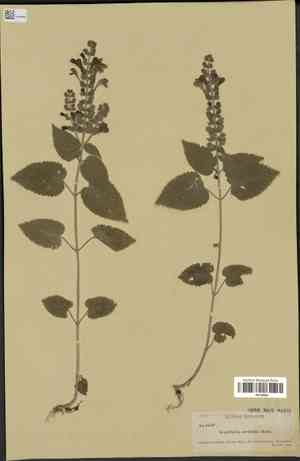
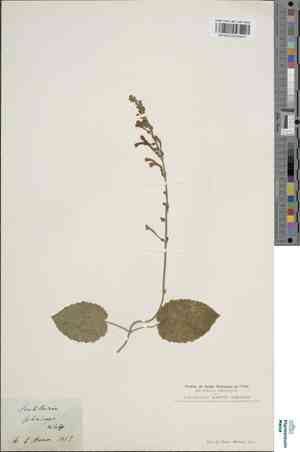
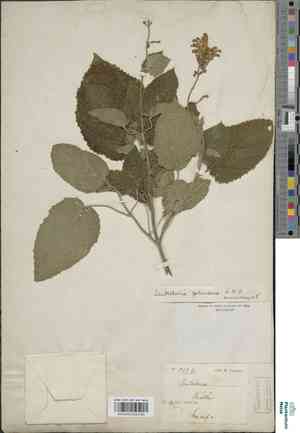
Quickly Identify Scutellaria cordifolia
1
This plant can be identified by its heart-shaped leaves and the unique helmet-shaped calyx present on its blue to violet flowers. The leaves are opposite and usually have a serrated edge.
Scientific Classification of Scutellaria cordifolia
Phylum
Vascular plants
Class
Dicotyledons
Order
Lamiales
Family
Mint
Genus
Skullcap
Species
Scutellaria cordifolia
Planting and Growing of Scutellaria cordifolia
Care Difficulty
Moderate
Watering Schedule
Every 3 days
Sunlight Requirements
Partial sun
Sunshine Duration
6-10 hours
Ideal Temperature
60-75℉
Soil Type
Potting Mix, Peat Mix
Soil pH
6.5-7.5
Fertilizer Type
Balanced
Pruning Season
Spring, Summer
Pruning Area
Branches, Leaves
Pruning Frequency
2 times a year
Repotting Season
Spring
Pot Type
Plastic, Ceramic
 How to Water Scutellaria cordifolia?
When watering Scutellaria cordifolia, it is crucial to pour around 250 ml of water. The soil should be moistened evenly but not waterlogged. The goal is to maintain a consistently moist soil without letting it become soggy, as overwatering can lead to root rot. Ensure that water drains well and does not accumulate at the bottom of the pot.
What are the symptoms of an underwatered Scutellaria cordifolia?
›
What should I do if my Scutellaria cordifolia is not getting enough water?
›
What are the symptoms of an overwatered Scutellaria cordifolia?
›
How to save an overwatered Scutellaria cordifolia?
›
 What Are the Sunlight Requirements for Scutellaria cordifolia?
Scutellaria cordifolia thrives in partial sun; ideal light enhances photosynthesis and supports balanced growth, promoting lush foliage and vibrant blooms.
What is the ideal light condition for Scutellaria cordifolia?
›
How can we achieve the ideal lighting condition for this plant?
›
What are the benefits of providing ideal light to Scutellaria cordifolia?
›
 What Is the Ideal Temperature Range for Scutellaria cordifolia?
Scutellaria cordifolia thrives best in a controlled environment where the temperature remains between 60°F and 75°F. In this temperature range, the plant can perform optimal growth and show vibrant health. This steady range provides a stable environment that caters to its metabolic processes, ensuring effective nutrient uptake and photosynthesis.
 What Soil is Best for Scutellaria cordifolia?
Scutellaria cordifolia thrives in well-draining soil, which prevents water accumulation and root rot. This type of soil promotes healthy root development by allowing excess moisture to escape, creating an ideal environment for nutrient uptake. An abundance of organic material in the soil is crucial for providing Scutellaria cordifolia with necessary nutrients. Organic matter enhances the soil's water retention and aeration, which supports vibrant growth and overall plant health. Scutellaria cordifolia prefers soil with moderate fertility. Too much fertility can lead to excessive foliage growth at the expense of flowers, whereas balanced nutrient levels ensure both robust growth and splendid blooming.
 How to Fertilize Scutellaria cordifolia?
For Scutellaria cordifolia, it's important to use a balanced fertilizer. When applying liquid fertilizer, dilute it to half the recommended strength on the label. This ensures the plant receives nutrients without overwhelming its delicate roots. For slow-release fertilizers, sprinkle about 1 tablespoon evenly around the base of the plant, avoiding direct contact with the stem.
 How to Prune Scutellaria cordifolia?
Start by identifying the shoots that appear weak or have already flowered, as these can be cut back to encourage fresh growth. Use sharp, clean pruning shears to make clean cuts just above a healthy leaf node. This will stimulate the plant to redirect its energy towards producing more blooms and new foliage. In the early spring, you can perform a more comprehensive pruning by trimming back the entire plant by about one-third to rejuvenate it after a long winter.
 How to Propagate Scutellaria cordifolia plant?
1
Begin by filling seed trays with a well-draining potting mix. Sow the seeds evenly and cover them lightly with soil. Maintain moisture levels by misting regularly.
2
Select healthy stems and use pruning shears to cut them about 4-6 inches long. Remove leaves from the bottom half and dip the end in rooting hormone before planting.
3
For division, gently dig up the plant and carefully separate the roots into smaller sections. Replant these divisions immediately in prepared soil to minimize stress.
 How to Repot Scutellaria cordifolia plant?
1
Scutellaria cordifolia should be repotted when you observe roots starting to grow out of the drainage holes or when the plant's growth has noticeably slowed down. Ideally, repotting during spring or summer allows the plant to recover and adapt more easily due to favorable growing conditions.
2
Select a pot that is 1-2 inches larger in diameter than the current one to allow room for root growth. Ensure it has sufficient drainage holes to prevent waterlogging, which could lead to root rot. A good pot material would be unglazed clay, as it allows the soil to breathe while providing stability.
3
Opt for a well-draining loamy soil mix with good aeration, possibly enhanced with vermiculite or perlite. Such soil prevents water accumulation and provides proper texture for root expansion, ensuring optimal growth and health for Scutellaria cordifolia.
Learn More About Scutellaria cordifolia Diseases
Anthracnose
Bacterial Leaf Spot
Bacterial Wilt
Chemical Injury
Crown Gall
Cyst Nematode
Damping-off
Downy Mildew
Drought Stress
Fusarium Wilt
Gray Mold
Leaf Curl
Leaf Spot
Mosaic
Nutrient Deficiency
Nutrient Toxicity
Powdery Mildew
Root Rot
Root-knot Nematode
Rusts
Sooty Mold
Spider Mites
Temperature Stress
Thrips Damage
White Mold



