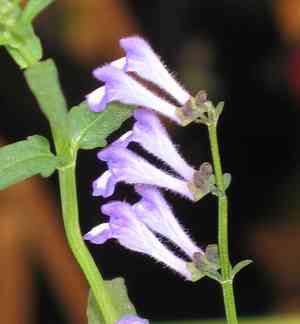
Barbed skullcap (Scutellaria barbata)
Also known as: Barbed Skullcap, Barbat Skullcap
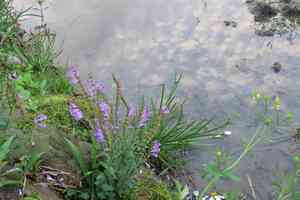
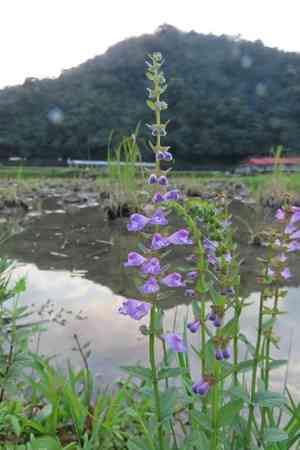
This perennial herb typically grows up to around 35 centimeters in height, occasionally exceeding this size. Its leaves, which can be somewhat triangular or lanceolate, have slight toothed edges and measure up to 3 centimeters in length. The flowers are positioned on stalks adorned with tiny, sharp bracts. The corolla of the flower, which is lightly covered in fine hairs, displays a purple-blue hue and is approximately 1 centimeter in length. This plant is commonly found in damp and wet environments, including areas like paddy fields.
In This Article
Attributes of Barbed skullcap
Lifespan
Perennial
Plant Type
Herb
Plant Height
35 cm
Spread
10-20 cm
Leaf Color
Green
Flower Size
0.5-1 cm
Flower Color
Purple Blue
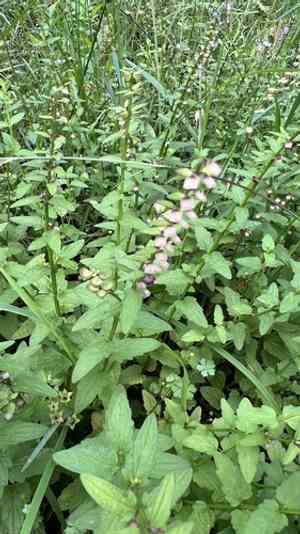
Images of Barbed skullcap
Quickly Identify Barbed skullcap
1
Scutellaria barbata can be identified by its small blue-violet flowers, which have a distinctive helmet shape. The plant has lance-shaped leaves and square stems typical of the mint family.
Scientific Classification of Barbed skullcap
Phylum
Vascular plants
Class
Dicotyledons
Order
Mints plantains olives and allies
Family
Mint
Genus
Skullcap
Species
Barbed skullcap
Planting and Growing of Barbed skullcap
Care Difficulty
Easy
Watering Schedule
Every 4 days
Sunlight Requirements
Partial sun
Sunshine Duration
6-12 hours
Ideal Temperature
68-77℉
Soil Type
Potting Mix, Peat Mix
Soil pH
6.5-7.5
Fertilizer Type
Balanced
Pruning Season
Spring, Summer
Pruning Area
Branches, Leaves
Pruning Frequency
2 times a year
Repotting Season
Spring
Pot Type
Plastic, Ceramic
 How to Water Barbed skullcap?
Scutellaria barbata prefers evenly moist soil, so ensure you water enough to keep the soil damp but not waterlogged. This typically equates to about 200 ml of water per watering session, allowing excess to drain to avoid root rot.
What are the symptoms of an underwatered Barbed skullcap?
›
What should I do if my Barbed skullcap is not getting enough water?
›
What are the symptoms of an overwatered Barbed skullcap?
›
How to save an overwatered Barbed skullcap?
›
 What Are the Sunlight Requirements for Barbed skullcap?
Scutellaria barbata ideally receives partial sun exposure, enhancing its vibrant foliage and overall vigor. The right balance of light promotes efficient photosynthesis, strong stems, and lush growth.
How much direct sunlight does Scutellaria barbata need?
›
What if Scutellaria barbata doesn't get enough light?
›
How to adjust lighting conditions effectively for Scutellaria barbata?
›
 What Is the Ideal Temperature Range for Barbed skullcap?
Scutellaria barbata thrives best in environments where the temperature ranges between 68°F and 77°F. This range encourages optimal growth and ensures the plant can carry out its physiological processes efficiently. Maintaining this temperature range promotes healthy leaf structure and vivid flowering.
 What Soil is Best for Barbed skullcap?
Scutellaria barbata thrives in soils that provide excellent drainage, preventing root rot and other water-related issues. Proper drainage ensures the roots receive adequate oxygen, promoting healthy growth. This plant requires soil with moderate fertility. High levels of nutrients can lead to excessive leaf growth at the expense of flowers. Balanced nutrients help maintain an optimal growth pattern and flowering. While drainage is crucial, the soil should also retain enough moisture to support the plant's needs. This balance prevents stress during dry periods and supports continuous growth and blooming.
 How to Fertilize Barbed skullcap?
Scutellaria barbata, or skullcap, benefits from a balanced application of nutrients. For liquid fertilizer, use a diluted solution of about 1/4 the recommended strength to avoid over-fertilization. Apply around 250 ml per plant, ensuring even coverage over the soil.
 How to Prune Barbed skullcap?
Begin by sterilizing your pruning shears to prevent disease transmission. Identify dead or wilted branches and cut them back to the base. Trim the plant's excess growth by a third, focusing on branches pointing inwards to open up the plant's center. This encourages sunlight penetration and better air circulation. Finally, remove any flowers that have wilted to encourage new blooms.
More About Pruning Techniques→
 How to Propagate Barbed skullcap plant?
1
Begin by harvesting seeds from mature Scutellaria barbata plants after their flowering cycle. Store the seeds in a dry and cool place to improve germination success.
2
Choose healthy stems to cut, ideally 3-4 inches long, and remove the lower leaves. This step ensures the cuttings have minimal foliage to support and can focus energy on root development.
3
Carefully uproot the plant and divide the root ball into sections with a sharp knife. Each section should have at least one shoot and a healthy root system for successful propagation.
 How to Repot Barbed skullcap plant?
1
Repotting Scutellaria barbata is essential when you notice roots crowding the surface or growing out of the drainage holes. Additional signs include stunted growth and poor water absorption. Spring and summer are ideal times as the plant enters its active growth phase, which enables it to recover quickly from any root shock.
2
Select a pot that is approximately one size larger than the current one. It should have ample drainage holes to prevent waterlogging, which is crucial as Scutellaria barbata prefers relatively dry and well-aerated conditions. Using a slightly larger pot helps to accommodate future growth while preventing excessive soil moisture.
3
Opt for a well-draining, sandy soil mix tailored for herbs and perennials. This kind of soil allows for optimal drainage and prevents root rot, a common issue in overwatered or poorly drained environments. Such a soil composition encourages healthy root development and ensures vital nutrients are easily accessible.
Learn More About Barbed skullcap Diseases
Anthracnose
Bacterial Leaf Spot
Bacterial Soft Rot
Bacterial Wilt
Chemical Injury
Crown Gall
Cyst Nematode
Damping-off
Downy Mildew
Drought Stress
Fusarium Wilt
Gray Mold
Leaf Curl
Leaf Spot
Mosaic
Nutrient Deficiency
Nutrient Toxicity
Powdery Mildew
Root Rot
Root-knot Nematode
Rusts
Sooty Mold
Spider Mites
Temperature Stress
Thrips Damage
White Mold



