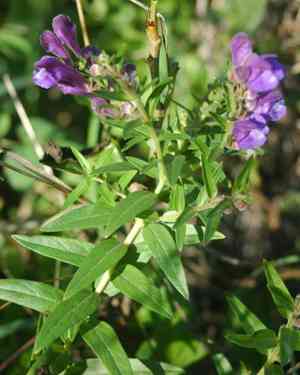
Baikal skullcap (Scutellaria baicalensis)
Also known as: Chinese skullcap, Golden root
Baikal skullcap (Scutellaria baicalensis) gets its name from Lake Baikal in Russia, which is included in its native habitat. This plant is known for its striking purple flowers, adding to its ornamental value, and it holds traditional importance in Chinese medicine.
In This Article
Attributes of Baikal skullcap
Lifespan
Perennial
Plant Type
Herb
Plant Height
30 cm
Spread
30 cm
Leaf Color
Green
Flower Size
2.5 cm
Flower Color
Blue Purple Violet
Images of Baikal skullcap
Quickly Identify Baikal skullcap
1
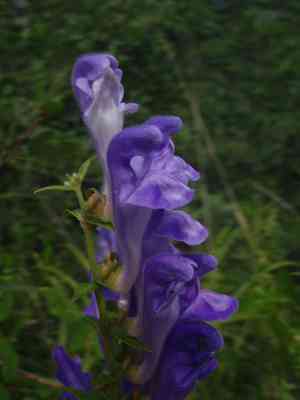
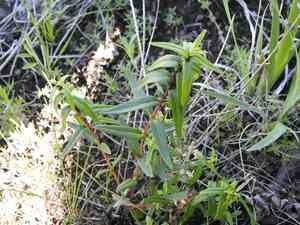
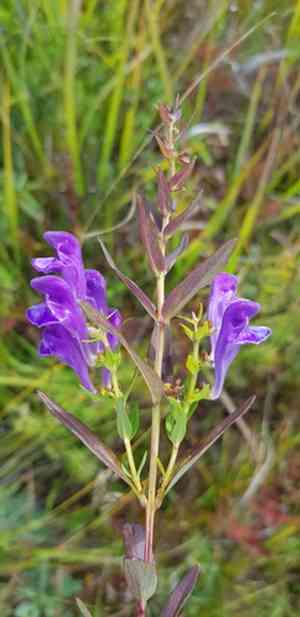
Scutellaria baicalensis can be identified by its square stems, lanceolate leaves, and distinctive blue or violet flowers. The flowers are tubular with two lips and grow in racemes.
Scientific Classification of Baikal skullcap
Phylum
Vascular plants
Class
Dicotyledons
Order
Mints plantains olives and allies
Family
Mint
Genus
Skullcap
Species
Baikal skullcap
Planting and Growing of Baikal skullcap
Care Difficulty
Easy
Watering Schedule
Every 4 days
Sunlight Requirements
Full sun
Sunshine Duration
6-12 hours
Ideal Temperature
68-77℉
Soil Type
Potting Mix, Peat Mix
Soil pH
6.5-7.5
Fertilizer Type
Balanced
Pruning Season
Spring, Summer
Pruning Area
Branches, Leaves
Pruning Frequency
2 times a year
Repotting Season
Spring
Pot Type
Plastic, Ceramic
 How to Water Baikal skullcap?
For Scutellaria baicalensis, it is essential to water until the soil is evenly moist, approximately 250 ml per session. This ensures that the roots receive adequate hydration without becoming waterlogged, supporting optimal plant growth.
What are the symptoms of an underwatered Baikal skullcap?
›
What should I do if my Baikal skullcap is not getting enough water?
›
What are the symptoms of an overwatered Baikal skullcap?
›
How to save an overwatered Baikal skullcap?
›
 What Are the Sunlight Requirements for Baikal skullcap?
Scutellaria baicalensis prefers full sun to partial sun environments, offering robust growth when light conditions are optimal. Ideal lighting encourages strong stems, lush foliage, and maximized blooming potential.
More About Sunlight Requirements Techniques→
Q1: What is the ideal amount of sunlight for Scutellaria baicalensis?
›
Q2: How can I ensure my plant gets enough light?
›
Q3: What benefits arise from ideal lighting?
›
 What Is the Ideal Temperature Range for Baikal skullcap?
The ideal temperature range for Scutellaria baicalensis is between 68°F and 77°F. At these temperatures, the plant's metabolic processes function optimally, promoting healthy growth and development. Providing this temperature range can lead to larger, more vibrant foliage and a robust root system, essential for long-term plant health.
 What Soil is Best for Baikal skullcap?
Scutellaria baicalensis thrives in well-drained soil to prevent root rot, ensuring healthy, vibrant growth. Adequate drainage provides for optimal water absorption without waterlogging. This plant prefers soil with moderate levels of organic matter, promoting steady growth without overwhelming the plant with nutrients. Balanced soil nutrients encourage a robust immune response. Maintaining soil pH between 6.5 and 7.5 is crucial, as this pH range optimizes nutrient availability and absorption, supporting Scutellaria baicalensis's growth and flowering.
 How to Fertilize Baikal skullcap?
For Scutellaria baicalensis, a balanced approach is ideal. When using liquid fertilizer, dilute it to half the recommended strength. For slow-release granules, apply about 30 grams per plant, spreading evenly around the base.
 How to Prune Baikal skullcap?
Begin by sterilizing your pruning shears to prevent any potential disease transmission. When pruning Scutellaria baicalensis, remove any dead or damaged stems at their base. Clip off any overgrown or leggy sections to encourage bushier growth. Focus on maintaining an overall aesthetically pleasing shape by making cuts just above a leaf node, as this will spur new shoots to emerge. If the plant has become particularly unruly, cut back the entire plant by up to one-third of its size. This will not only promote a more contained growth pattern but also invigorate the plant to produce more foliage. Be sure to distribute cuts evenly to maintain balance and avoid lop-sided growth.
More About Pruning Techniques→
 How to Propagate Baikal skullcap plant?
1
Ensure the soil is well-draining and nutrient-rich to prepare for seed or cutting propagation. It's crucial to sterilize the soil to minimize the risk of fungal infections that could affect young plants.
2
When propagating by seed, lightly cover the seeds with soil in the seed tray. Mist the surface gently to keep it moist but not wet, as excess water can lead to rot.
3
Select a healthy stem and use pruning shears to make a clean cut right below a node. This is essential for cutting propagation, as nodes are where new roots will often emerge.
 How to Repot Baikal skullcap plant?
1
Scutellaria baicalensis should be repotted when you notice roots growing out of the drainage holes or soil compaction. These signals suggest your plant has outgrown its current pot. Repotting in spring or autumn ensures the plant won't be stressed by extreme temperatures and can focus energy on establishing roots in fresh soil.
2
Select a pot that is slightly larger than the current one, with adequate drainage holes. A pot that's too large can retain excess moisture, leading to root rot, while a pot that's too small can restrict root growth. A well-fitting pot supports balanced growth for Scutellaria baicalensis, providing enough space without overtaxing the young roots.
3
Choose a loamy, well-draining potting mix for repotting Scutellaria baicalensis. Such soil ensures roots receive sufficient aeration and don't sit in water, reducing the risk of root rot. Well-draining soil mimics the plant's native conditions, promoting healthy and robust growth.



