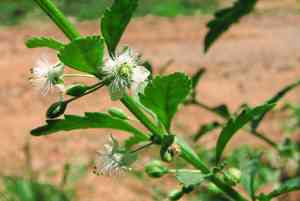
Licorice weed (Scoparia dulcis)
Also known as: Scoparia weed
Licorice weed (Scoparia dulcis) is a perennial herb originally native to tropical regions of the Americas. It has now spread and naturalized in tropical and subtropical areas worldwide. The plant features lance-shaped, serrated leaves and small, white flowers with four petals.
In This Article
Attributes of Licorice weed
Lifespan
Annual, Perennial
Plant Type
Herb
Plant Height
1 m
Spread
30 cm
Leaf Color
Green
Flower Size
0.6 mm to 1 mm
Flower Color
White
Images of Licorice weed

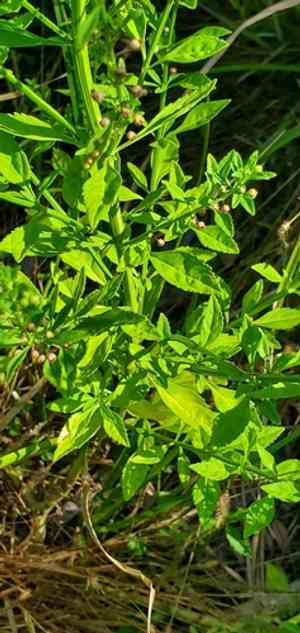
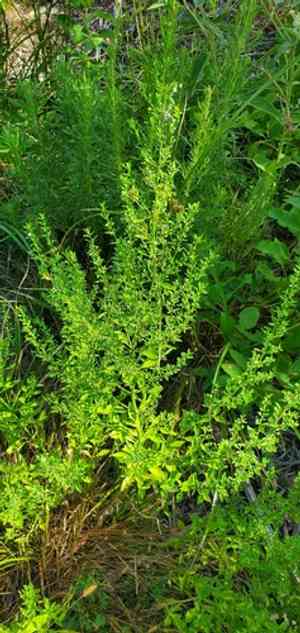
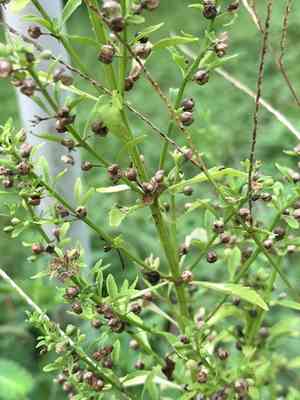
Quickly Identify Licorice weed
1
Scoparia dulcis can be identified by its small, white, four-petaled flowers, opposite leaves, and a bushy appearance. The stem is slender and can be slightly woody at the base.
Scientific Classification of Licorice weed
Phylum
Vascular plants
Class
Dicotyledons
Order
Lamiales
Family
Plantain
Genus
Scoparia
Species
Licorice weed
Planting and Growing of Licorice weed
Care Difficulty
Easy
Watering Schedule
Every 3 days
Sunlight Requirements
Partial sun
Sunshine Duration
6-10 hours
Ideal Temperature
75-85℉
Soil Type
Potting Mix, Peat Mix
Soil pH
5.5-7.5
Fertilizer Type
Balanced
Pruning Season
Spring, Summer
Pruning Area
Branches, Leaves
Pruning Frequency
Once a year
Repotting Season
Spring
Pot Type
Plastic, Ceramic
 How to Water Licorice weed?
For Scoparia dulcis, ensure that you water it with approximately 200 milliliters per session. This amount helps to moisten the soil thoroughly without causing waterlogging. The key is to maintain soil moisture without making it soggy. The water should penetrate deep but not stagnate, allowing the roots to absorb nutrients effectively.
What are the symptoms of an underwatered Licorice weed?
›
What should I do if my Licorice weed is not getting enough water?
›
What are the symptoms of an overwatered Licorice weed?
›
How to save an overwatered Licorice weed?
›
 What Are the Sunlight Requirements for Licorice weed?
Scoparia dulcis ideally requires partial sun to partial shade. This balanced exposure ensures healthy growth without risking damage from excessive sun or insufficient light.
More About Sunlight Requirements Techniques→
What is the optimal light exposure?
›
How can I ensure the plant gets ideal lighting?
›
What benefits does ideal lighting provide?
›
 What Is the Ideal Temperature Range for Licorice weed?
What is the ideal temperature range for Scoparia dulcis? The ideal temperature range for Scoparia dulcis is between 75°F and 85°F. This range promotes optimal growth and development of the plant. It ensures that the plant's metabolic processes are conducted efficiently, providing the best conditions for its physiological functions.
 What Soil is Best for Licorice weed?
Scoparia dulcis thrives in well-draining soils, which prevent waterlogging and root rot. This requirement ensures plants have the necessary aeration around their roots, promoting healthy growth and nutrient uptake. This plant prefers soil with moderate fertility. Soils with balanced nutrients support steady growth and more vibrant blooms, enhancing the overall vitality of the plant. While well-draining, the soil should retain some moisture to meet the plant's water needs. This balance prevents stress during dry periods and supports sustained growth, especially in sunny environments.
 How to Fertilize Licorice weed?
For Scoparia dulcis, it is crucial to administer fertilizer sparingly. Use approximately 1 teaspoon of liquid fertilizer per gallon of water during the active growing season. For slow-release fertilizers, apply around 1/4 cup per square foot at the start of each growing season.
 How to Prune Licorice weed?
Begin by identifying dead or unhealthy stems and branches. These should be the first to go, as they can sap energy from the healthy parts of the plant. When shaping Scoparia dulcis, aim to maintain a balanced and symmetrical form. This involves trimming longer stems to maintain uniform height and encouraging even growth across the plant. Focus on cutting just above nodes or new shoots to promote branching. This will encourage the growth of new stems and leaves, creating a fuller and more robust plant structure.
More About Pruning Techniques→
 How to Propagate Licorice weed plant?
1
To begin, fill the seed tray with seed starting mix and moisten it until it is damp but not soggy. Level the surface gently, ensuring it's even for uniform seed germination. This preparation helps create an optimal environment for seed growth.
2
Scatter Scoparia dulcis seeds evenly on the soil surface, ensuring they are not clustered together. Lightly press them into the soil without covering them, as they require light to germinate. This ensures each seed has adequate space and light exposure.
3
Place the seed tray in a warm and bright location. Maintain humidity by covering it with a transparent lid or plastic wrap. Water regularly when the soil surface appears dry. Consistent conditions encourage successful and uniform germination.
 How to Repot Licorice weed plant?
1
Scoparia dulcis shows signs that it's time to repot when its roots start encircling the pot or growing out of the drainage holes. Another indicator is when the plant's growth slows down despite receiving adequate sunlight and water. These signs suggest that the plant needs more space and fresh soil to thrive.
2
Select a pot that is just one size larger than the current pot. This ensures enough space for root expansion without overwhelming the plant. A pot with drainage holes is essential to prevent water stagnation that could lead to root rot, making sure your Scoparia dulcis gets the right balance of moisture.
3
Opt for a well-draining potting mix rich in organic matter to facilitate strong growth. A mix of garden soil, sand, and compost works well as it provides nutrients and proper drainage, essential for the healthy growth of Scoparia dulcis, preventing waterlogged conditions that can harm the roots.
Learn More About Licorice weed Diseases
Anthracnose
Bacterial Leaf Spot
Bacterial Wilt
Chemical Injury
Crown Gall
Cyst Nematode
Damping-off
Downy Mildew
Drought Stress
Fusarium Wilt
Gray Mold
Leaf Curl
Leaf Spot
Mosaic
Nutrient Deficiency
Nutrient Toxicity
Powdery Mildew
Root Rot
Root-knot Nematode
Rusts
Sooty Mold
Spider Mites
Temperature Stress
Thrips Damage
White Mold



