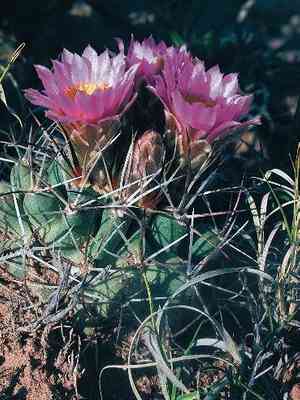
Uinta basin hookless cactus (Sclerocactus glaucus)
Also known as: Colorado hookless cactus
The name "Uinta Basin hookless cactus" is misleading because some species with this label are no longer found in the Uinta Basin of Utah. These species were reclassified but retained their federally threatened status from when they were part of Sclerocactus glaucus. Some sources, like Anderson (2001), do not acknowledge this reclassification, adding to the confusion.
In This Article
Attributes of Uinta basin hookless cactus
Lifespan
Perennial
Plant Type
Shrub
Plant Height
4 to 12 inches (10 to 30 cm)
Spread
2 to 4 inches (5 to 10 cm)
Leaf Color
N/A
Flower Size
1 to 2 inches (2.5 to 5 cm)
Flower Color
Pink Purple
Images of Uinta basin hookless cactus

Quickly Identify Uinta basin hookless cactus
1
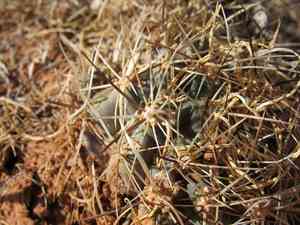
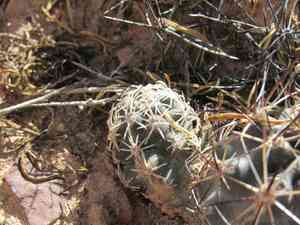
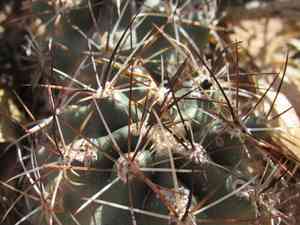
This cactus can be identified by its rounded shape, dense clusters of curved spines, and its grayish-blue color. During blooming season, it produces pink to light-purple flowers at the top of the cactus.
Scientific Classification of Uinta basin hookless cactus
Phylum
Vascular plants
Class
Dicotyledons
Order
Caryophyllales
Family
Cactuses
Genus
Hard cactus
Species
Uinta basin hookless cactus
Planting and Growing of Uinta basin hookless cactus
Care Difficulty
Hard
Watering Schedule
Every 2 days
Sunlight Requirements
Full sun
Sunshine Duration
6-10 hours
Ideal Temperature
70-85℉
Soil Type
Potting Mix, Peat Mix
Soil pH
6.5-7.5
Fertilizer Type
Balanced
Pruning Season
Spring, Summer
Pruning Area
Branches, Leaves
Pruning Frequency
2 times a year
Repotting Season
Spring
Pot Type
Plastic, Ceramic
 How to Water Uinta basin hookless cactus?
For Sclerocactus glaucus, applying about 100 milliliters of water per session is ideal. The principle here is to mimic the arid conditions of its natural habitat. Water moderately until the top inch of the soil is moist but not soggy, ensuring there is efficient drainage to prevent root rot.
What are the symptoms of an underwatered Uinta basin hookless cactus?
›
What should I do if my Uinta basin hookless cactus is not getting enough water?
›
What are the symptoms of an overwatered Uinta basin hookless cactus?
›
How to save an overwatered Uinta basin hookless cactus?
›
 What Are the Sunlight Requirements for Uinta basin hookless cactus?
Sclerocactus glaucus thrives in full sun, making all-day exposure ideal. The plant benefits greatly from this, as it ensures maximum photosynthesis, promoting vigorous growth and a healthy appearance.
What is the best lighting environment for Sclerocactus glaucus?
›
How can you ensure Sclerocactus glaucus gets ideal light conditions?
›
What are the benefits of providing Sclerocactus glaucus with ideal light?
›
 What Is the Ideal Temperature Range for Uinta basin hookless cactus?
Sclerocactus glaucus thrives best in temperatures ranging from 70°F to 85°F. This range supports optimal metabolic rates, promoting health and growth. It is crucial to maintain this temperature to ensure the cactus remains vigorous and robust.
 What Soil is Best for Uinta basin hookless cactus?
Sclerocactus glaucus thrives in well-drained soil that mimics its native arid habitats. This requirement prevents root rot by allowing excess water to escape quickly, ensuring that the cactus roots stay healthy and aerated for optimal growth. This cactus does not require rich, organic soils. Instead, minimal organic matter helps simulate its natural environment, reducing the risk of fungal diseases and ensuring that it receives nutrients in a balanced, controlled manner, key to maintaining its robustness. Thriving on low nutrient content, Sclerocactus glaucus prefers soils that are not heavily fertilized. This aligns with its natural habitats, keeping growth slow but sustainable and reducing risks of nutrient burn or salt accumulation which could harm the plant.
 How to Fertilize Uinta basin hookless cactus?
Sclerocactus glaucus requires a cautious fertilization approach. Too much fertilizer can harm these resilient plants. Use a diluted liquid cactus fertilizer, preferably at half the recommended strength to avoid root burn. Aim for a balance that promotes healthy growth without compromising their natural adaptation to nutrient-scarce environments.
 How to Prune Uinta basin hookless cactus?
Examine the cactus for any dead or diseased segments. These are typically discolored or soft to the touch. Mark these areas before starting the pruning process. Cut at the base of the dead or damaged segment, ensuring a clean cut to promote quick healing. Avoid cutting into the healthy tissue.
 How to Propagate Uinta basin hookless cactus plant?
1
Carefully collect seeds from the mature Sclerocactus glaucus plants when they naturally dehisce. Clean seeds to remove any pulp and allow them to dry before storing or sowing.
2
Fill seed trays with the sterile cactus mix and plant the seeds on the surface. Lightly cover them with a thin layer of soil or fine gravel to ensure they remain in place during watering.
3
Water the seeds lightly but consistently to keep the soil damp, not wet. Place the trays in a location with plenty of indirect sunlight or under grow lights, as too much direct sun can harm young seedlings.
 How to Repot Uinta basin hookless cactus plant?
1
Repot your Sclerocactus glaucus when you notice roots coming out of the drainage holes or if the plant seems to have outgrown its current pot. Early spring or summer is ideal to give it ample time to establish itself during the growing season.
2
Select a pot that is slightly larger than the current one with drainage holes to prevent waterlogging. A pot that allows the roots a bit more room to grow will enable better growth and reduce the risk of root rot.
3
Use a well-draining cactus mix, ideally with components like pumice or perlite, that simulates the plant's natural habitat. This type of soil will provide excellent drainage, reducing the risk of overwatering and root rot.



