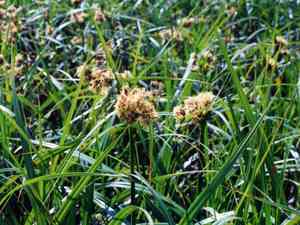
Club-rushes (Scirpus) (Scirpus)
Also known as: Bulrushes
Certainly! Here’s a revised version with significant differences:
**Creeping Jenny (Lysimachia nummularia 'Aurea')** is a popular choice for ponds and water gardens due to its vibrant, golden foliage. This trailing perennial spreads across the water's surface and along the edges, creating a lush, decorative ground cover. Its cascading stems and small, round leaves add a dynamic visual element. Creeping Jenny is hardy and thrives in wet conditions, making it an excellent option for enhancing the aesthetic and ecological value of your pond.
In This Article
Attributes of Club-rushes (Scirpus)
Lifespan
Perennial
Plant Height
50 to 200 cm
Spread
Varies significantly; generally not applicable to crown measurements due to growth habit.
Leaf Color
Green
Flower Size
Up to 5 cm
Flower Color
Greenish or brown
Images of Club-rushes (Scirpus)
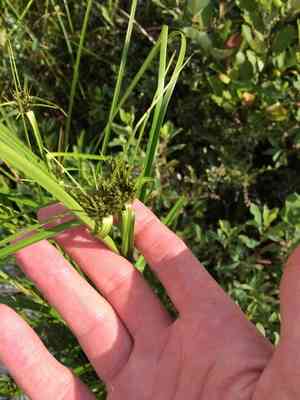
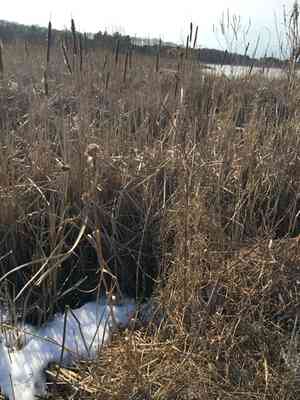
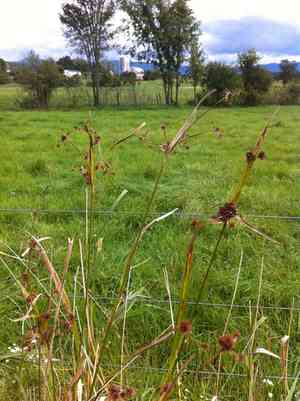
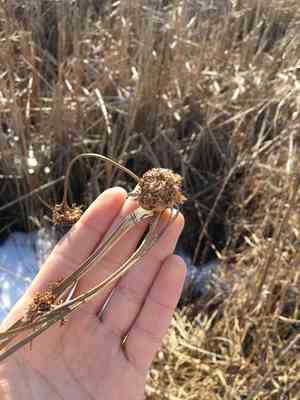
Quickly Identify Club-rushes (Scirpus)
1
Scirpus species can be identified by their tufted growth form, cylindrical stems, and inflorescences that are sometimes umbrella-shaped. Leaves are mostly basal.
Scientific Classification of Club-rushes (Scirpus)
Phylum
Magnoliophyta
Class
Liliopsida
Order
Poales
Family
Cyperaceae
Genus
Scirpus
Planting and Growing of Club-rushes (Scirpus)
Care Difficulty
Easy
Watering Schedule
Every 3 days
Sunlight Requirements
Partial sun
Sunshine Duration
6-10 hours
Ideal Temperature
60-75℉
Soil Type
Potting Mix, Peat Mix
Soil pH
6.5-7.5
Fertilizer Type
Balanced
Pruning Season
Spring, Summer
Pruning Area
Branches, Leaves
Pruning Frequency
2 times a year
Repotting Season
Spring
Pot Type
Plastic, Ceramic
 How to Water Club-rushes (Scirpus)?
Scirpus, commonly known as bulrush, thrives in moist conditions, similar to its natural habitat. Water until the topsoil feels thoroughly moist but is not soggy, usually around 250 ml per session. Aim for even saturation to promote healthy root development while avoiding waterlogging.
What are the symptoms of an underwatered Club-rushes (Scirpus)?
›
What should I do if my Club-rushes (Scirpus) is not getting enough water?
›
What are the symptoms of an overwatered Club-rushes (Scirpus)?
›
How to save an overwatered Club-rushes (Scirpus)?
›
 What Are the Sunlight Requirements for Club-rushes (Scirpus)?
Scirpus flourishes under partial to full sun conditions. Ideal light ensures vibrant growth and resilience against pests and diseases, while encouraging optimal internal functions like nutrient assimilation.
Optimal Light Level Identification
›
Solutions for Achieving Ideal Lighting
›
Benefits of Maintained Ideal Lighting
›
 What Is the Ideal Temperature Range for Club-rushes (Scirpus)?
The ideal temperature range for Scirpus plants is generally between 60°F and 75°F. This range ensures optimal growth and allows the plant to develop robust foliage and roots. Maintaining this temperature range will help in achieving maximum flowering and overall health of the plant.
 What Soil is Best for Club-rushes (Scirpus)?
Scirpus thrives in soil that retains moisture well, which helps in maintaining its lush green foliage. It benefits by growing optimally in environments that resemble its natural habitat, such as wetlands. This plant is fond of nutrient-rich soils, as they provide essential nutrients for robust growth and facilitate the development of strong stems. Such soil conditions are crucial for Scirpus to exhibit vigorous and healthy growth. Despite liking moisture, Scirpus requires well-drained substrates to prevent root rot. Proper drainage ensures that excess water does not suffocate the roots, allowing the plant to breathe and absorb nutrients efficiently.
 How to Fertilize Club-rushes (Scirpus)?
Scirpus plants, often found in wetlands, thrive with a moderate amount of fertilizer. It's best to use a balanced liquid fertilizer diluted to half-strength, applying about 200 ml per square meter. Avoid over-fertilization as these plants are naturally adapted to nutrient-poor conditions.
 How to Prune Club-rushes (Scirpus)?
Always start pruning Scirpus by removing dead or damaged stems. This allows the plant to focus its energy on new growth. Make clean cuts at a 45-degree angle just above a node or bud to promote quick healing and regrowth. For shaping, trim back longer stems to maintain the desired size and form. Be cautious not to over-prune, as this can stress the plant. After pruning, ensure that Scirpus is well-watered and possibly supplement with some nutrients to assist in recovery. Keep an eye out for any sap leakage or signs of stress, such as wilting, and adjust care accordingly. The plant should be kept in optimal light and temperature conditions to bounce back effectively from the pruning session.
 How to Propagate Club-rushes (Scirpus) plant?
1
Harvest seeds from mature Scirpus plants by collecting seed heads when they become dry and brown. Gently shake the seed heads over a container to release the seeds.
2
Prepare nutrient-rich, well-draining potting mix in seed trays. Ensure the mix is moist but not waterlogged to create a conducive environment for seed germination.
3
During early summer, dig around mature Scirpus clumps and divide them with a garden spade. Replant the divisions immediately to prevent root drying.
 How to Repot Club-rushes (Scirpus) plant?
1
Scirpus plants need repotting when roots start escaping through drainage holes, the soil drains poorly, or the plant's growth seems stunted. Spring or autumn, during active growth periods, is ideal for facilitating recovery.
2
Opt for a container that is one size larger than the current pot, with ample drainage holes. Choosing the right pot prevents waterlogging, ensures roots are not overcrowded, and supports healthy growth with ample room for root expansion.
3
Select a peat-based mix that retains moisture but ensures good drainage. This soil mimics the plant's natural wetland habitat, providing essential aeration and moisture retention that supports Scirpus's health and vigor.

