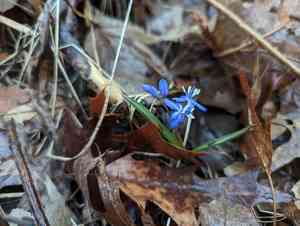
Squills (Scilla) (Scilla)
Also known as: Squill, Wood Hyacinth, Bluebell
The genus Squills (Scilla) comprises around 86 species of bulb-forming perennials. These plants are indigenous to woodlands, subalpine meadows, and coastal regions across Europe, Africa, and the Middle East. While blue is the most common flower color, variations in white, pink, and purple also occur. Additionally, some species have naturalized in regions such as Australia, New Zealand, and North America.
In This Article
Attributes of Squills (Scilla)
Lifespan
Perennial
Plant Height
15 cm
Spread
20 cm
Leaf Color
Green
Flower Size
2-3 cm
Flower Color
White Blue
Images of Squills (Scilla)
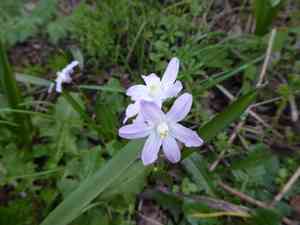
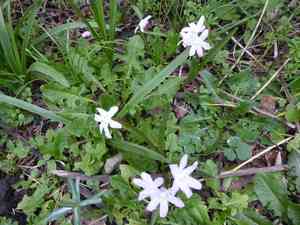

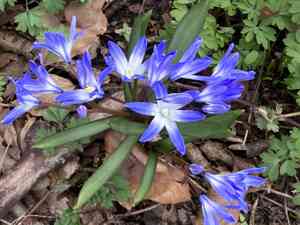
Quickly Identify Squills (Scilla)
1
Scilla can be identified by their early-spring blooming period, star-shaped flowers that typically come in shades of blue, purple, or white, and narrow, strap-like leaves that emerge from the base.
Scientific Classification of Squills (Scilla)
Phylum
Magnoliophyta
Class
Liliopsida
Order
Asparagales
Family
Asparagaceae
Genus
Scilla
Planting and Growing of Squills (Scilla)
Care Difficulty
Easy
Watering Schedule
Every 2 days
Sunlight Requirements
Partial sun
Sunshine Duration
4-6 hours
Ideal Temperature
60-70℉
Soil Type
Potting Mix, Peat Mix
Soil pH
6.5-7.5
Fertilizer Type
Balanced
Pruning Season
Spring, Summer
Pruning Area
Branches, Leaves
Pruning Frequency
2 times a year
Repotting Season
Spring
Pot Type
Plastic, Ceramic
 How to Water Squills (Scilla)?
Scilla plants, known for their striking blooms, require moderate moisture. The key is to keep the soil consistently moist but not waterlogged. Typically, water them until the soil is evenly saturated, with about 250 ml each time, ensuring it doesn't sit in water.
What are the symptoms of an underwatered Squills (Scilla)?
›
What should I do if my Squills (Scilla) is not getting enough water?
›
What are the symptoms of an overwatered Squills (Scilla)?
›
How to save an overwatered Squills (Scilla)?
›
 What Are the Sunlight Requirements for Squills (Scilla)?
Partial sun to full shade is ideal for Scilla, as it provides enough light for photosynthesis without risking leaf burn. Proper lighting enhances their natural blooming cycle.
What is the best spot for Scilla?
›
How to optimize light conditions for Scilla indoors?
›
Effects of ideal light conditions on Scilla growth?
›
 What Is the Ideal Temperature Range for Squills (Scilla)?
Scilla plants thrive best in temperatures ranging from 60°F to 70°F. This range helps ensure optimal growth and flowering, maintaining the plant's physiological processes. Keeping Scilla within these temperature bounds will maximize aesthetic and structural health.
 What Soil is Best for Squills (Scilla)?
Scillas thrive best in well-drained soil as it prevents waterlogging, which can cause root rot. Proper drainage ensures that the roots get enough oxygen, promoting healthier growth and vibrant blooms. While Scillas do not demand highly fertile soil, a moderate nutrient content supports healthy development. A balanced mix of compost or organic matter enhances soil fertility, providing essential nutrients for thriving bulbs. Maintaining adequate moisture without saturation is key for Scilla. Consistent moisture allows for optimal growth patterns and prevents stress during dry spells. A mulch layer can help retain the necessary moisture levels.
 How to Fertilize Squills (Scilla)?
Scilla plants are low feeders, requiring only about half the recommended dose of balanced liquid fertilizer once every two weeks during the growing season. Typically, this means around 1 teaspoon of 20-20-20 liquid fertilizer mixed with a gallon of water.
 How to Prune Squills (Scilla)?
Begin pruning Scilla by waiting until the foliage starts to turn yellow in the Autumn. Use clean, sharp scissors or pruning shears to cut back the foliage to the base of the plant. Be careful not to damage the bulb during this process. Removing the dying leaves allows the Scilla to channel more energy into its underground bulb, setting the stage for a flourishing spring.
 How to Propagate Squills (Scilla) plant?
1
Collect seeds from mature Scilla plants and clean them gently. Soak the seeds in water for 24 hours to soften the seed coat, which will enhance germination rates.
2
Fill seed trays or pots with sterile potting mix, leaving a small gap at the top. Gently water the mix to ensure it is evenly moist but not soggy.
3
Sow the seeds sparingly on the surface of the potting mix and cover with a light layer of sand. Mist the surface with water to settle the seeds in place.
 How to Repot Squills (Scilla) plant?
1
Repot Scilla when its roots outgrow the pot or when soil becomes compacted. Spring and autumn, outside of its flowering period, offer the best conditions. Also, if the plant seems stressed or isn't thriving, consider a repotting.
2
Select a pot with adequate drainage holes to prevent waterlogging, ensuring long-term root health. The pot should be a few inches larger than the current one to allow the roots to spread comfortably, promoting robust growth.
3
Pick a well-draining sandy mix, rich in organic matter. This type of soil mimics Scilla’s natural habitat, facilitating proper moisture retention without suffocating the roots, and supports healthy plant development.
Toxicity
ingestion
WARNING
The judgment on toxicity and danger is for reference only. We DO NOT GUARANTEE any accuracy of such judgment. Therefore, you SHALL NOT rely on such judgment. It is IMPORTANT TO SEEK PROFESSIONAL ADVICE in advance when necessary.

