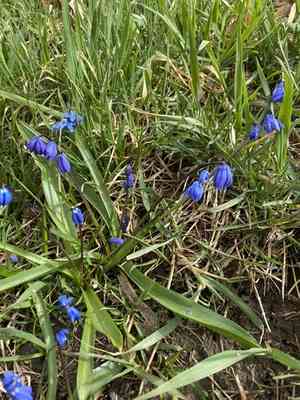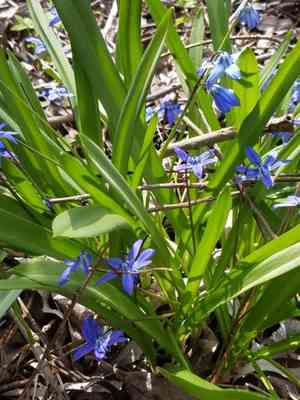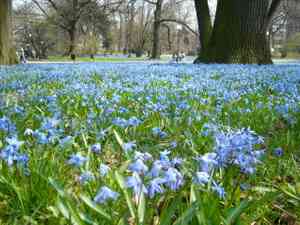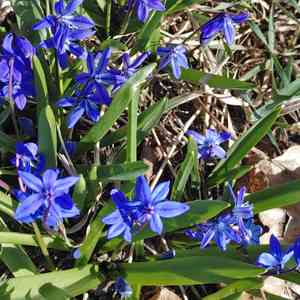
Siberian squill(Scilla siberica)

Siberian squill (Scilla siberica)

Also known as: Siberian Squill

Siberian squill (Scilla siberica), part of the lily family, is somewhat misleadingly named, as it isn't native to Siberia but rather southwestern Russia, the Caucasus, and Turkey. Cultivated since 1796, it flourishes in well-drained, fertile soil with partial to full sunlight. This resilient plant is ideal for USDA zones 2-8 and is celebrated for its early spring blue flowers.

Attributes of Siberian squill

Lifespan
Perennial
Plant Type
Herb
Plant Height
10 cm to 20 cm
Spread
5 cm
Leaf Color
Green
Flower Size
2.5 cm
Flower Color
Blue

PlantJoy - Identify plants with a snap

Identify and diagnose plants, get toxicity alerts, and explore safety guides for all types of fungi.

Try for Free

Images of Siberian squill

Siberian squill(Scilla siberica)

Quickly Identify Siberian squill

1
Clusters of nodding blue flowers, each around 1 inch (2.54 cm) wide.
2
Slender, upright stems reaching 4-8 inches (10-20 cm) in height.
3
Elongated, glossy green leaves arching gracefully towards the ground.
4
Multiple bulbs planted close together with 1-2 inches (2.5-5 cm) spacing.
5
Resilient to cold, tolerating temperatures down to 14 degrees F (-10 degrees C).

Scientific Classification of Siberian squill

Phylum
Vascular plants
Class
Monocotyledons
Order
Asparagales
Family
Asparagus
Genus
Squills
Species
Siberian squill

Planting and Growing of Siberian squill

Care Difficulty
Easy
Watering Schedule
Every 4 days
Sunlight Requirements
Partial sun
Sunshine Duration
4-8 hours
Ideal Temperature
50-60℉
Soil Type
Potting Mix, Peat Mix
Soil pH
6.5-7.5
Fertilizer Type
Balanced
Pruning Season
Spring, Summer
Pruning Area
Branches, Leaves
Pruning Frequency
2 times a year
Repotting Season
Spring
Pot Type
Plastic, Ceramic

water icon How to Water Siberian squill?

For Scilla siberica, the watering amount is crucial to maintain its vibrant growth. Generally, you should ensure the soil is consistently moist but not waterlogged. Each watering session should involve around 250 ml, enough to moisten the soil to a 2-inch depth without causing excessive runoff.
What are the symptoms of an underwatered Siberian squill?
What should I do if my Siberian squill is not getting enough water?
What are the symptoms of an overwatered Siberian squill?
How to save an overwatered Siberian squill?

sunlight icon What Are the Sunlight Requirements for Siberian squill?

Sunlight Requirements: Partial sun, Full shade
Duration of light: 4 to 6 hours
Partial sun to full shade is optimal, providing Scilla siberica with enough light for photosynthesis and flowering without the risk of leaf burn, ensuring vibrant and healthy growth.
How much sunlight does Scilla siberica ideally need?
What are the solutions to achieve ideal lighting for Scilla siberica?
What are the benefits of providing ideal lighting to Scilla siberica?
More About Sunlight Requirements Techniques

temperature icon What Is the Ideal Temperature Range for Siberian squill?

Ideal Temperature: 50 ~ 60℉
Siberian squill thrives best in a stable, temperate environment usually between 50°F and 60°F. This range facilitates optimal growth and flowering, ensuring the plant develops robust roots and blooms vibrantly. Within this temperature range, the cellular processes that drive growth and photosynthesis are highly efficient, leading to a healthy and flourishing plant.

soil icon What Soil is Best for Siberian squill?

Soil type: Loam, Sandy loam
Soil PH: 6.5 ~ 7.5
Scilla siberica thrives in well-draining soil to prevent root rot. Loam or sandy loam is ideal as it allows excess water to escape while retaining enough moisture for healthy growth. A soil enriched with organic matter contributes significantly to the robust growth of Scilla siberica by providing essential nutrients that promote vibrant blooms. Maintaining a soil pH between 6.5 and 7.5 helps optimize nutrient uptake, fostering strong plant health and enhancing the aesthetic appeal of its flowers.

fertilize icon How to Fertilize Siberian squill?

Fertilizer type: Balanced
For Scilla siberica, it's ideal to use a balanced fertilizer with an NPK ratio around 10-10-10. Apply approximately 1 teaspoon of diluted liquid fertilizer around each plant. Ensure the soil is moist before application to prevent root burn.

prune icon How to Prune Siberian squill?

Pruning Time: Summer
Begin by inspecting the plant for any dead, damaged, or diseased leaves or stems. Use a pair of clean, sharp scissors or pruning shears to remove these parts at the base, being careful not to harm any healthy foliage. Next, thin out crowded areas to improve air circulation and light penetration. This process not only enhances the plant's appearance but also reduces the risk of disease. After pruning, clean up any debris around the plant to prevent pest infestations. More About Pruning Techniques

propagate icon How to Propagate Siberian squill plant?

Propagate Time: Early spring, Late winter
1
Collect Scilla siberica seeds after flowering and scatter them thinly on a seed tray filled with well-draining compost. Cover lightly with soil and maintain consistent moisture to encourage germination.
2
Dig up mature clumps of Scilla siberica in late winter. Gently separate the bulbs and remove any damaged roots. Replant the bulbs in prepared beds at the correct depth for healthy development.
3
Prepare the planting site by loosening the soil. Incorporate organic matter to improve drainage and fertility. Ensure the site is well-drained to prevent bulb rot and promote vigorous growth.
More About Propagating Techniques

repot icon How to Repot Siberian squill plant?

Repotting frequency: Every 2-3 years
1
Scilla siberica shows it needs repotting when the bulbs become overcrowded or growth slows down. The best time is early spring, before new growth appears, as this gives the plant ample time to settle into its new environment during the growing season.
2
Select a pot that is one size larger than the current one, ensuring it has drainage holes to prevent waterlogging. A terracotta pot is ideal as it allows the soil to breathe, promoting healthier root development and reducing the risk of rot.
3
Opt for a well-draining potting mix enriched with organic matter. This kind of soil not only prevents bulb rot by ensuring excellent drainage but also provides necessary nutrients that encourage robust growth and vibrant blooms.

PlantJoy - Identify plants with a snap

Find the best spots for them to optimize their health, simply using your phone.

Try for Free

Toxicity of Siberian squill

Is Siberian squill toxic to humans?

Siberian squill is recognized as one of the most hazardous of the squill species, particularly when ingested. While mere contact with the plant may lead to skin rashes in those who are sensitive, consuming it results in far more severe consequences than just stomach discomfort. This plant is rich in cardiac glycosides that can adversely affect the heart muscle, potentially resulting in fatal outcomes. Typical symptoms associated with its ingestion include vomiting, diarrhea, abdominal pain, and oral discomfort. Additionally, it is known to decrease heart rate, occasionally dropping it to perilously low levels. It is essential to keep this plant out of reach of young children.

Is Siberian squill toxic to cat?

Siberian squill is regarded as toxic to cats. Cats usually encounter siberian squill when they inadvertently consume parts of the plant. Every section of siberian squill carries a potential hazard, which means even slight ingestion can result in distressing symptoms. Cats affected by siberian squill poisoning may show various signs of illness, including but not restricted to vomiting, diarrhea, or excessive salivation. Given the serious nature of possible adverse effects, it is crucial for cat owners to swiftly obtain veterinary assistance if they believe their pet has consumed siberian squill. Quick professional response can reduce risks and safeguard the health of the impacted cat.

Is Siberian squill toxic to dog?

Siberian squill is recognized as a toxic species harmful to dogs. All parts of this plant are deemed poisonous, meaning that consumption of any portion can lead to poisoning in dogs. If a dog ingests Siberian squill, it may show symptoms such as vomiting, diarrhea, lethargy, or even more severe indications, depending on the quantity consumed. It is essential for dog owners to restrict their pets' access to this plant and remain vigilant when in areas where Siberian squill is found. Should a dog consume Siberian squill, it is critical to obtain prompt veterinary attention to secure the best possible outcome for the affected pet.

Identify toxic plants for your safety

Learn which plants are harmful to you and your pets, and make informed choices for a safer home!

Try for Free
WARNING
The judgment on toxicity and danger is for reference only. We DO NOT GUARANTEE any accuracy of such judgment. Therefore, you SHALL NOT rely on such judgment. It is IMPORTANT TO SEEK PROFESSIONAL ADVICE in advance when necessary.
More About Toxic Techniques