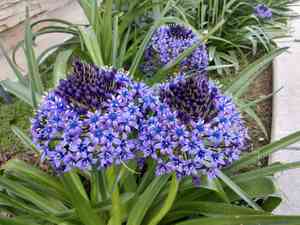
Portuguese squill (Scilla peruviana)
Also known as: Giant squill, Peruvian jacinth
The Portuguese squill (*Scilla peruviana*) is a bulbous perennial native to the western Mediterranean. It thrives in warm, dry climates and is frequently chosen for gardens due to its vibrant blue blossoms. This plant prefers sandy, well-drained soil, with its bulbs planted just at or slightly below the soil surface.
Attributes of Portuguese squill
Images of Portuguese squill
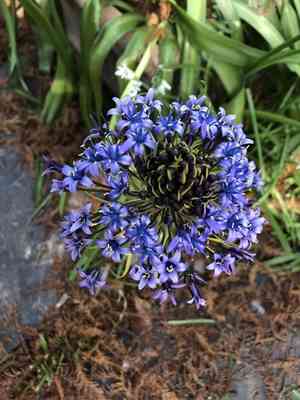
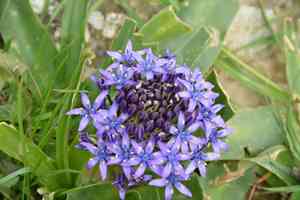
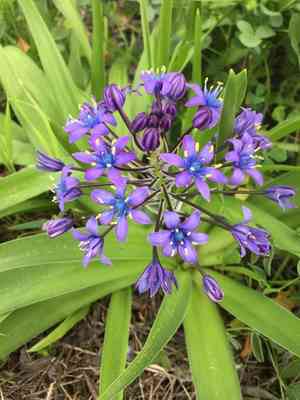
Quickly Identify Portuguese squill
Scientific Classification of Portuguese squill
Planting and Growing of Portuguese squill
 How to Water Portuguese squill?
 What Are the Sunlight Requirements for Portuguese squill?
 What Is the Ideal Temperature Range for Portuguese squill?
 What Soil is Best for Portuguese squill?
 How to Fertilize Portuguese squill?
 How to Prune Portuguese squill?
 How to Propagate Portuguese squill plant?
 How to Repot Portuguese squill plant?
Toxicity of Portuguese squill
Is Portuguese squill toxic to humans?
The Portuguese squill exhibits a mild degree of toxicity to humans, mainly through the consumption of its bulb. This bulb contains glycoside compounds that contribute to the plant's poisonous nature. When a person ingests the bulb of the Portuguese squill, they may encounter various symptoms characteristic of glycoside poisoning. Such symptoms can include gastrointestinal issues like nausea, vomiting, and diarrhea. Furthermore, individuals might experience dizziness, weakness, and occasionally, an irregular heartbeat. It is crucial to recognize the potential dangers linked to the inadvertent ingestion of the Portuguese squill's bulb, particularly since this is the sole portion of the plant identified as toxic. Caution should be exercised to avoid accidental consumption, especially by children and pets who could be attracted to the plant's appealing appearance.
Is Portuguese squill toxic to cat?
The Portuguese squill exhibits a moderate degree of toxicity to felines. Cats usually encounter this toxicity when they accidentally consume portions of the plant, particularly the bulb, which is the most poisonous part. The glycosides found in the plant may result in symptoms indicating physical distress. It's crucial for cat owners to remain alert for any indications of illness and to quickly pursue veterinary assistance if poisoning is suspected to safeguard their pet's health.
Is Portuguese squill toxic to dog?
Portuguese squill presents a moderate toxicity risk to dogs. Canines may inadvertently consume various parts of this plant, most notably the bulb, which is recognized for its toxic properties. Should a dog ingest any portion of the Portuguese squill, symptoms like vomiting, diarrhea, or excessive drooling may manifest. The glycoside compounds found within the plant are responsible for these harmful effects. If a dog consumes Portuguese squill, it is crucial for pet owners to promptly seek veterinary assistance to guarantee appropriate treatment and management of any potential poisoning.



