
Streambank bulrush (Schoenoplectus triqueter)
Also known as: Triangular bulrush
The Dreikantige Teichbinse, or Schoenoplectus triqueter, is a perennial herbaceous plant. It typically reaches heights between 50 and 120 centimeters, occasionally extending up to 150 centimeters. The plant features long, slender shoots that are about 2 to 5 mm thick. Its stems are distinctly triangular, somewhat soft, and vary in color from light to dark green.
In This Article
Attributes of Streambank bulrush
Lifespan
Perennial
Plant Type
Grass
Plant Height
20 cm to 90 cm
Spread
Not applicable; it is a grass-like plant and does not form a crown
Leaf Color
Green
Flower Size
2 cm to 7 cm
Flower Color
Yellow Green Brown
Images of Streambank bulrush
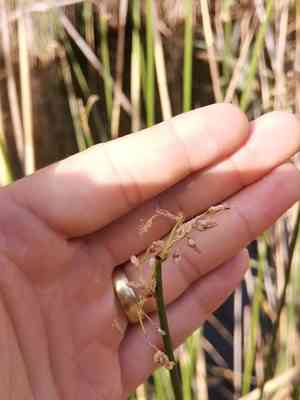
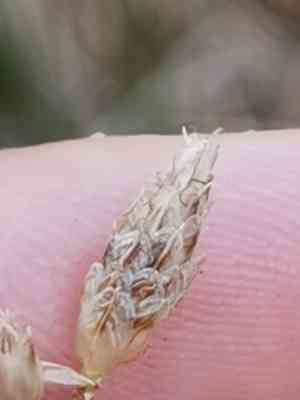
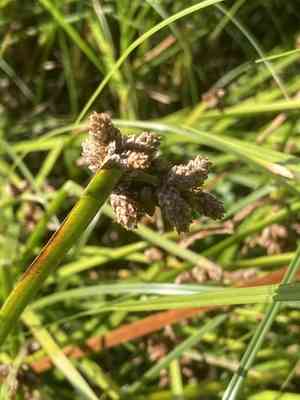
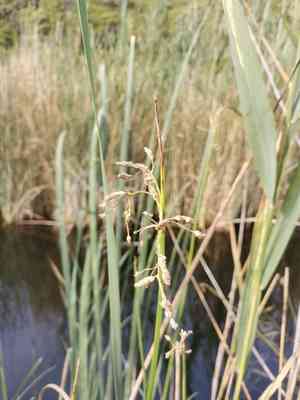
Quickly Identify Streambank bulrush
1
Schoenoplectus triqueter can be identified by its distinct, triangular stems which are hollow and have a spongy texture. The plant produces small, clustered flower spikes near the top of these stems.
Scientific Classification of Streambank bulrush
Phylum
Vascular plants
Class
Monocotyledons
Order
Poales
Family
Sedge
Genus
Bulrush
Species
Streambank bulrush
Planting and Growing of Streambank bulrush
Care Difficulty
Easy
Watering Schedule
Every 8 days
Sunlight Requirements
Partial sun
Sunshine Duration
6-10 hours
Ideal Temperature
68-77℉
Soil Type
Potting Mix, Peat Mix
Soil pH
6.5-7.5
Fertilizer Type
Balanced
Pruning Season
Spring, Summer
Pruning Area
Branches, Leaves
Pruning Frequency
2 times a year
Repotting Season
Spring
Pot Type
Plastic, Ceramic
 How to Water Streambank bulrush?
Schoenoplectus triqueter thrives in moist to wet conditions. Ensure the soil is saturated without waterlogging, nourishing it with around 500 ml of water each time. This amount should reach the root zone and maintain consistent moisture levels.
What are the symptoms of an underwatered Streambank bulrush?
›
What should I do if my Streambank bulrush is not getting enough water?
›
What are the symptoms of an overwatered Streambank bulrush?
›
How to save an overwatered Streambank bulrush?
›
 What Are the Sunlight Requirements for Streambank bulrush?
Schoenoplectus triqueter thrives ideally in full to partial sun exposures. The exposure to sunlight aids in its robust growth, supporting its ecological role in water filtration and habitat provision, especially in aquatic environments.
What is the ideal light condition for Schoenoplectus triqueter?
›
How can I ensure my plant gets enough light?
›
Why is ideal lighting important for this plant?
›
 What Is the Ideal Temperature Range for Streambank bulrush?
The ideal temperature range for growing Schoenoplectus triqueter is between 68°F and 77°F. This range supports optimal photosynthesis and metabolic activities, promoting strong growth and health.
 What Soil is Best for Streambank bulrush?
Schoenoplectus triqueter thrives in soil that retains moisture well, as it is typically found in wetland areas. This ensures the plant remains hydrated, supporting its lush foliage and overall vigor. Keeping the soil consistently moist mimics its natural habitat, promoting robust growth. The plant prefers a nutrient-rich substrate, which is crucial for its growth and development. Adequate nutrients support the plant’s metabolic processes, enhancing growth rates and resilience against diseases. Employing compost-enriched soil ensures a steady nutrient supply. While it prefers moisture, it's important that soil doesn't remain waterlogged to prevent root rot. Well-drained conditions ensure air spaces within the soil, supporting healthy root respiration and preventing anaerobic conditions detrimental to the plant.
 How to Fertilize Streambank bulrush?
For Schoenoplectus triqueter, a modest approach is recommended. Apply a liquid fertilizer diluted to half the label strength every two weeks. This ensures steady but not excessive nutrient supply.
 How to Prune Streambank bulrush?
Begin by inspecting the plant for any discolored, dead, or damaged stems. These should be your first target during pruning, as removing them helps prevent disease and encourages new growth. Trim the targeted stems at a slight angle, just above the node where leaves or smaller stems emerge. This encourages new growth and maintains an aesthetically pleasing appearance. After pruning, consider lightly fertilizing the plant to support vigorous new growth. This will aid in the plant's recovery and promote a lush, healthy appearance.
More About Pruning Techniques→
 How to Propagate Streambank bulrush plant?
1
Start by collecting seeds from mature Schoenoplectus triqueter plants. Clean and dry the seeds before sowing. Use a seed tray filled with a lightweight potting mix, and lightly press seeds onto the surface without burying them too deeply.
2
Water the seeds gently using a spray bottle to avoid disturbing them. Cover the tray with a clear lid or plastic wrap to maintain humidity. Ensure the soil remains moist but not waterlogged throughout the germination period.
3
For division, carefully dig up an established clump during the early summer. Use gardening shears to cut through the roots, making sure each division has a healthy amount of roots and shoots. Replant immediately into a well-prepared site.
 How to Repot Streambank bulrush plant?
1
Look for signs that suggest repotting is needed, such as roots circling the pot or growing through the drainage holes, or if the soil dries out very quickly after watering. These are clear indicators that the plant has outgrown its container and requires more room to thrive.
2
Select a pot that is slightly larger than the current one, ideally 1-2 inches wider in diameter. Ensure it has adequate drainage holes to prevent waterlogging, which is crucial for maintaining the plant's health and preventing root rot. A sturdy and breathable pot material, such as terracotta, can help regulate moisture levels.
3
Opt for soil that retains moisture yet provides good drainage. A mix of sandy loam that allows excess water to drain away while holding sufficient moisture for the plant's growth is best. This soil type supports root aeration and mimics the plant's natural swampy habitat.



