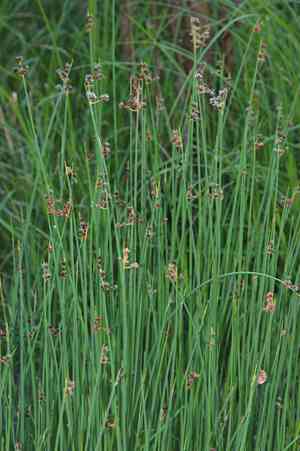
Softstem bulrush (Schoenoplectus tabernaemontani)
Also known as: Great bulrush, Gray clubrush, Soft-stemmed bulrush
The cattail (genus *Typha*) is a plant commonly found in or near water bodies worldwide. It offers nesting cover for waterbirds and serves as a food source for muskrats. Additionally, cattails are valuable for erosion control and habitat restoration. Indigenous peoples historically used cattail leaves and stalks to create various woven items, including bags and mats.
In This Article
Attributes of Softstem bulrush
Lifespan
Perennial
Plant Type
Herb
Plant Height
1.2 m to 2.5 m
Spread
60 cm
Leaf Color
Green Silver
Flower Size
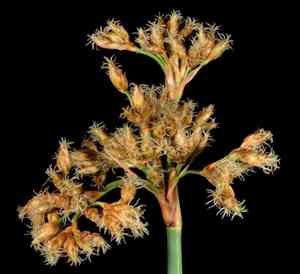
Flower clusters (spikelets) are small, typically 0.5 to 1.5 cm.
Flower Color
Brown White Red
Images of Softstem bulrush


Quickly Identify Softstem bulrush
1
Thin, hollow foliage with horizontal striping.
2
Vibrant banded patterns on fresh spring growth.
3
Foliage turns brown in late fall.
4
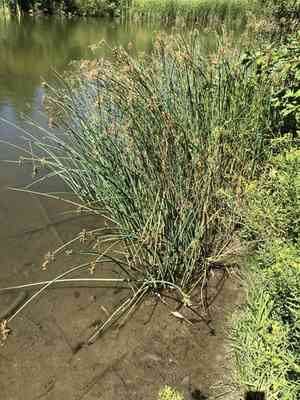
Stature reaching up to 5 feet (1.5 meters).
5
Thrives in full sunlight, prefers shallow water 2-6 inches (5-15 cm) deep.
Scientific Classification of Softstem bulrush
Phylum
Vascular plants
Class
Monocotyledons
Order
Grasses, sedges and allies
Family
Sedge
Genus
Bulrush
Species
Softstem bulrush
Planting and Growing of Softstem bulrush
Care Difficulty
Easy
Watering Schedule
Every 12 days
Sunlight Requirements
Full sun
Sunshine Duration
4-8 hours
Ideal Temperature
65-77℉
Soil Type
Potting Mix, Peat Mix
Soil pH
6.5-7.5
Fertilizer Type
Balanced
Pruning Season
Spring, Summer
Pruning Area
Branches, Leaves
Pruning Frequency
2 times a year
Repotting Season
Spring
Pot Type
Plastic, Ceramic
 How to Water Softstem bulrush?
Schoenoplectus tabernaemontani thrives in environments that are consistently moist. When watering, aim to thoroughly saturate the soil, ensuring that the water reaches the roots evenly without leaving any dry patches. This plant prefers a simulated wetland condition, which means that you should allow the pot to drain properly to avoid stagnant water that could lead to root rot.
What are the symptoms of an underwatered Softstem bulrush?
›
What should I do if my Softstem bulrush is not getting enough water?
›
What are the symptoms of an overwatered Softstem bulrush?
›
How to save an overwatered Softstem bulrush?
›
 What Are the Sunlight Requirements for Softstem bulrush?
The ideal light range for this plant is partial to full sun exposure, benefiting its health by promoting strong, lush growth and ensuring it remains a decorative centerpiece when adequately cared for.
More About Sunlight Requirements Techniques→
What is the ideal lighting condition for Schoenoplectus tabernaemontani?
›
How can I achieve the ideal lighting condition for this plant?
›
What are the benefits of providing the ideal lighting conditions?
›
 What Is the Ideal Temperature Range for Softstem bulrush?
The ideal temperature for growing Schoenoplectus tabernaemontani is between 65°F and 77°F. This range provides optimal conditions for photosynthesis and growth. Maintaining these temperatures encourages robust growth and helps prevent stress-related issues.
 What Soil is Best for Softstem bulrush?
Chosen for its affinity for wet habitats, Schoenoplectus tabernaemontani thrives in moist soils that retain water well. This is essential for its growth, providing an abundant water supply that mimics its natural environment. The continuous moisture facilitates optimal growth and helps the plant maintain its structural integrity. Soil rich in organic matter supports the vigorous growth of Schoenoplectus tabernaemontani. Nutrient availability enhances the plant’s robust structure and vitality, ensuring lush growth. This requirement is satisfied in peat or loamy soils, which tend to have high organic content and are beneficial for overall plant health. Well-aerated soil is a necessity for Schoenoplectus tabernaemontani, as it enables root respiration and promotes healthy root system development. Sandy loam is ideal due to its loose structure, which supports proper air exchange. This ensures optimal conditions for root growth and plant stability.
 How to Fertilize Softstem bulrush?
Schoenoplectus tabernaemontani benefits from modest fertilization. Use a balanced, water-soluble fertilizer with an NPK ratio of 10-10-10 for liquid applications, diluted to half strength. For slow-release fertilizers, apply approximately 4 to 5 grams per pot or per square meter of garden space. This ensures steady nutrient availability without overwhelming the plant.
 How to Prune Softstem bulrush?
Begin by inspecting the plant for any dead, yellowing, or diseased stems and remove them first using sterilized scissors. Trim back excessive growth to about 4 inches above the base. Always cut at a slight angle to prevent water collection on cut surfaces. Dispose of pruned material to avoid pest infestation. Ensure you use sharp and clean tools for pruning to prevent tearing of the stems. After each pruning session, clean your tools with rubbing alcohol to sterilize and prevent the transmission of diseases. Regularly sharpen scissors to ensure clean cuts.
More About Pruning Techniques→
 How to Propagate Softstem bulrush plant?
1
Seeds should be collected once they have matured on the plant, typically after the flowering season. Collect seeds by gently shaking the seed heads into a bag or container to ensure viability. Ensure that seeds are fully dry to prevent mold growth during storage.
2
For division propagation, water the plant thoroughly to ease the removal from the soil. Carefully dig around the plant to expose the rhizome and gently separate the sections, ensuring each has roots and shoots.
3
After propagation, plant the seeds or divided sections in suitable aquatic or semi-aquatic environments. Ensure they are placed in shallow water initially and gradually adjusted to deeper environments as they establish.
 How to Repot Softstem bulrush plant?
1
Keep an eye on your Schoenoplectus tabernaemontani for signs it needs repotting. If you notice roots growing out of the drainage holes or the plant becoming top-heavy and unstable, it's time to consider repotting. Also, if the soil seems compacted or drains poorly, that's another cue.
2
Select a pot that's slightly larger than the current one, ideally 1-2 inches wider in diameter. It should have good drainage holes to prevent root rot and allow excess water to escape. A larger pot ensures the plant has ample room to grow and prevents crowding, promoting healthier growth.
3
Opt for soil that retains moisture but still drains well to prevent waterlogging. A mix that includes peat, sand, and loam works well. Such soil supports the plant’s natural habitat needs, ensuring proper moisture retention while preventing root rot, creating a balance similar to its natural environment.
Learn More About Softstem bulrush Diseases
Anthracnose
Bacterial Leaf Spot
Bacterial Soft Rot
Bacterial Wilt
Damping-off
Downy Mildew
Drought Stress
Fusarium Wilt
Gray Mold
Leaf Spot
Mosaic
Nutrient Deficiency
Nutrient Toxicity
Powdery Mildew
Root Rot
Root-knot Nematode
Rusts
Sooty Mold
Spider Mites
Temperature Stress
Thrips Damage
White Mold



