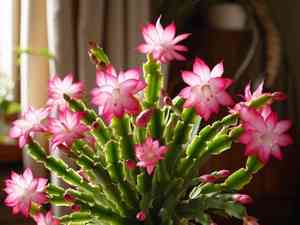
False christmas cactus (Schlumbergera truncata)
Also known as: Christmas cactus, Holiday cactus
The false Christmas cactus, known for its vibrant red, purple, pink, or white blooms, typically flowers from fall into early winter. This cactus is indigenous to a narrow coastal region in southeastern Brazil, thriving in the shaded, humid conditions of tropical rainforests. In its natural habitat, the flowers are pollinated by hummingbirds.
In This Article
Plant Comprehensive Care Guide: Beginner's Introduction and Key Details
Perfect for beginners starting their plant care journey
→
10 Secrets to Making False christmas cactus Grow Faster (A Must-Read for Beginners)
Advanced tips to accelerate your plant's growth
→
Care "Black Tech": 10 Little-Known Highly Effective Maintenance Tips
Expert-level techniques for optimal plant care
→
Attributes of False christmas cactus
Lifespan
Perennial
Plant Type
Succulent, Shrub
Plant Height
20 cm to 60 cm
Spread
30 cm to 60 cm
Leaf Color
Green
Flower Size
4 cm to 6 cm
Flower Color
Pink Red White Orange Purple Yellow Gold
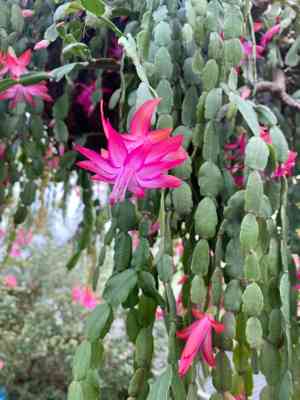
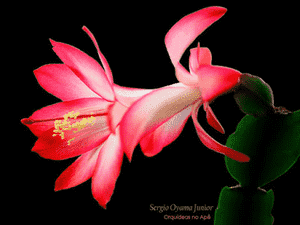
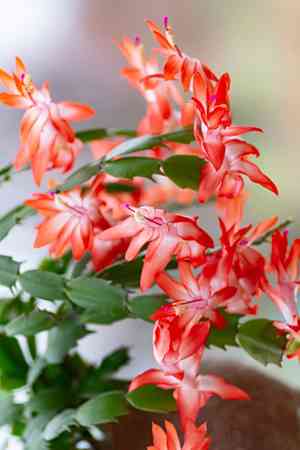
Images of False christmas cactus
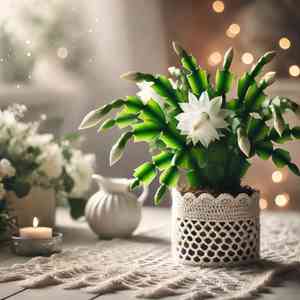
Quickly Identify False christmas cactus
1
Segmented stems with pointed teeth or claw-like projections.
2
Erect flowers in vibrant colors, blooming in winter months.
3
Flattened stem segments resembling leaves, 1.2-2.4 inches (3-6 cm) long.
4
Serrated, lobed cladodes with smooth texture and sheen.
5
Branching stem pattern with segments emerging from others.
Scientific Classification of False christmas cactus
Phylum
Vascular plants
Class
Dicotyledons
Order
Pinks, cacti, and allies
Family
Cactuses
Genus
Christmas cactuses
Species
False christmas cactus
Planting and Growing of False christmas cactus
Care Difficulty
Easy
Watering Schedule
Every 2 days
Sunlight Requirements
Partial sun
Sunshine Duration
4-8 hours
Ideal Temperature
60-70℉
Soil Type
Potting Mix, Peat Mix
Soil pH
5.5-6.5
Fertilizer Type
Balanced
Pruning Season
Spring, Summer
Pruning Area
Branches, Leaves
Pruning Frequency
2 times a year
Repotting Season
Spring
Pot Type
Plastic, Ceramic
 How to Water False christmas cactus?
When watering Schlumbergera truncata, ensure the soil is moist but not drenched. Typically, around 150 milliliters per session is adequate, depending on the pot size. Roots should not be standing in water to avoid rot.
More About Watering Techniques→
What are the symptoms of an underwatered False christmas cactus?
›
What should I do if my False christmas cactus is not getting enough water?
›
What are the symptoms of an overwatered False christmas cactus?
›
How to save an overwatered False christmas cactus?
›
 What Are the Sunlight Requirements for False christmas cactus?
Partial sun to full shade is optimal for Schlumbergera truncata, allowing it to maintain vibrant foliage and bloom healthily without the risk of light damage.
More About Sunlight Requirements Techniques→
What Are the Ideal Lighting Conditions?
›
How to Achieve These Ideal Lighting Conditions?
›
What Are the Benefits of Ideal Lighting?
›
 What Is the Ideal Temperature Range for False christmas cactus?
For Schlumbergera truncata, also known as the Christmas Cactus, the optimal growing temperature is between 60°F and 70°F. This range ensures vibrant growth and successful blooming. Consistent temperatures within this range help prevent stress and allow the plant to utilize nutrients efficiently, resulting in robust health and vibrant flowers.
 What Soil is Best for False christmas cactus?
Schlumbergera truncata prefers well-draining soil to prevent root rot, which is crucial for maintaining a healthy plant. A mix that includes peat ensures good aeration and drainage, mimicking its natural epiphytic habitat. While well-draining, the soil should also retain some moisture to mimic the plant's natural environment. Sandy loam with some organic matter helps retain enough moisture for the plant to thrive without becoming waterlogged. Rich in organic matter, the soil supports healthy growth. Peat or compost added to sandy loam can provide essential nutrients and improve soil structure, ensuring sustained plant vigour and flower production.
More About Soil→
 How to Fertilize False christmas cactus?
This cactus generally requires a moderate amount of fertilizer. It thrives with diluted fertilizers, one-quarter to half of the recommended strength for typical houseplants. Over-fertilizing can cause more harm than under-fertilizing.
 How to Prune False christmas cactus?
Start by identifying and removing any dead or yellowing segments of the plant. This helps to rejuvenate the plant and direct energy to healthier parts. Using a clean, sharp cutting tool, trim back any overly long branches by cutting between segments. This will maintain a balanced shape and promote new, vigorous growth. During pruning, inspect your plant carefully for signs of pests or diseases, and remove affected segments. This protects the plant from further infestation and promotes a healthier environment.
 How to Propagate False christmas cactus plant?
1
Choose healthy segments with no signs of disease or pest damage. This will improve the chances of successful rooting and growth.
2
Use a sharp knife to make clean cuts at the segment joint. A precise cut helps in reducing the stress on the cutting and prevents decay.
3
Allow the cuttings to dry and callous over for a day or two. This step helps to prevent the entry of pathogens when the cutting is planted.
 How to Repot False christmas cactus plant?
1
It's time to repot your Schlumbergera truncata when you notice its roots are peeking out from the drainage holes, or it's been 1-2 years since the last repotting. This signals that your plant needs fresh soil and extra space to continue thriving.
2
Select a pot that is slightly larger than the current one, with ample drainage holes. A pot that is too large retains excess moisture, leading to root rot. The new pot should allow ample room for root growth without overwhelming the plant.
3
Opt for a well-draining cactus mix, which is light and airy, preventing waterlogged roots. The ideal soil preserves adequate moisture while minimizing the risk of root rot, promoting healthy plant growth and vibrant blooms.



