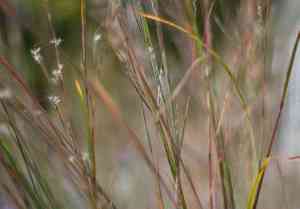
Little bluestem (Schizachyrium scoparium)
Also known as: Bunchgrass
Little bluestem is a versatile perennial prairie grass, also known as a bunchgrass, which thrives in a variety of environments except for desert regions. It particularly flourishes in warmer climates with moderate rainfall. During the spring and summer, it has a distinctive blue-green hue, which is why it's commonly called little bluestem. As temperatures rise or conditions become drier, this grass transitions to shades of amber, copper, or tan.
In This Article
Attributes of Little bluestem
Lifespan
Perennial, Annual
Plant Type
Grass
Plant Height
30 cm to 1.2 m
Spread
45 cm to 60 cm
Leaf Color
Green Blue Red Orange Brown
Flower Size
2.5 cm
Flower Color
Silver Green Purple Red Brown Orange
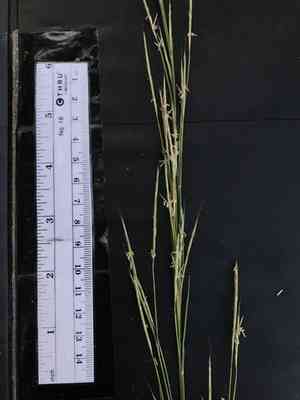
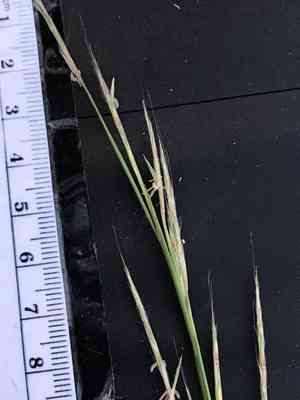
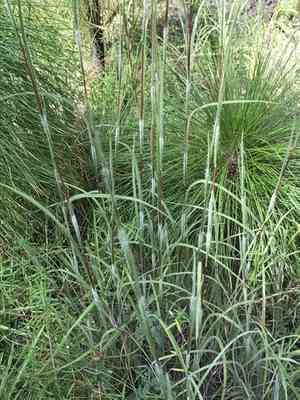
Images of Little bluestem
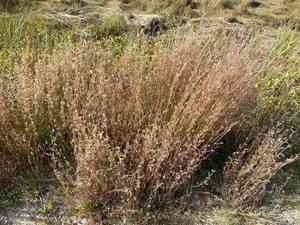
Quickly Identify Little bluestem
1
Slender, upright clumps reach 2-4 feet (60-120 cm) tall with bluish-green leaves transitioning to orange, red, or purple in fall.
2
Purple-bronze flower racemes bloom from June to October, rising above leaves with small, clustered, fragrant florets.
3
Small grains clustered in purple-bronze seed heads gleam metallic from late summer through winter, attracting birds.
4
Flat, linear leaves are 1/4 inch (0.6 cm) wide, light blue at base, turning orange-yellow in fall, persisting into winter.
Scientific Classification of Little bluestem
Phylum
Vascular plants
Class
Monocotyledons
Order
Poales
Family
Grass
Genus
Bluestems
Species
Little bluestem
Planting and Growing of Little bluestem
Care Difficulty
Easy
Watering Schedule
Every 2 days
Sunlight Requirements
Full sun
Sunshine Duration
4-8 hours
Ideal Temperature
60-75℉
Soil Type
Potting Mix, Peat Mix
Soil pH
5.5-7.5
Fertilizer Type
Balanced
Pruning Season
Spring, Summer
Pruning Area
Branches, Leaves
Pruning Frequency
2 times a year
Repotting Season
Spring
Pot Type
Ceramic, Plastic
 How to Water Little bluestem?
Schizachyrium scoparium, also known as little bluestem, thrives when watered moderately. The key is to water deeply and rarely, allowing the soil to dry out between watering. This practice mimics its natural habitat, encouraging strong root growth.
What are the symptoms of an underwatered Little bluestem?
›
What should I do if my Little bluestem is not getting enough water?
›
What are the symptoms of an overwatered Little bluestem?
›
How to save an overwatered Little bluestem?
›
 What Are the Sunlight Requirements for Little bluestem?
This plant thrives in full to partial sun, ideally receiving at least six hours of sunlight daily. Proper lighting enhances its photosynthetic efficiency, leading to better growth, more vibrant colors, and increased resistance to environmental stresses.
More About Sunlight Requirements Techniques→
Optimal Sun Exposure
›
Solution for Ideal Lighting
›
Benefits of Ideal Lighting
›
 What Is the Ideal Temperature Range for Little bluestem?
The ideal temperature range for Schizachyrium scoparium, also known as Little Bluestem, is between 60°F and 75°F. This range provides the warmth necessary for active growth while minimizing stress. Planting during this temperature range ensures that the roots develop properly and the plant maintains vibrant foliage. Temperatures above or below this range may slow down growth or cause dormancy.
 What Soil is Best for Little bluestem?
Schizachyrium scoparium thrives in well-drained soils which prevent root rot and over-watering issues. Well-drained soils improve aeration, enhancing root development and nutrient uptake, thereby promoting healthier plant growth. This plant prefers soils of moderate fertility, as overly rich soils can lead to floppy growth. Moderate fertility maintains its natural structure and resilience, ensuring it grows in a compact, upright form. The plant requires soil that can retain moisture without becoming waterlogged. This trait ensures that Schizachyrium scoparium is highly resilient to drought, making it ideal for less irrigated landscapes.
 How to Fertilize Little bluestem?
When fertilizing Schizachyrium scoparium, apply a balanced 10-10-10 fertilizer. For liquid fertilizers, use approximately 1/2 teaspoon per gallon of water, ensuring even distribution across the soil. For slow-release granular applications, about 1 cup per 50 square feet is sufficient.
 How to Prune Little bluestem?
Begin by inspecting your Schizachyrium scoparium at the end of winter. Use sharp shears or scissors to trim back any dead or brown stems to ground level. Aim to leave around 2-3 inches of stem above the soil to protect new growth. Removing old growth allows sunlight to penetrate and warm the soil, encouraging new shoots to emerge. If desired, you can divide the grasses every few years by digging up clumps and cutting through the center to promote robust growth.
More About Pruning Techniques→
 How to Propagate Little bluestem plant?
1
Start by sowing seeds directly into the soil after the threat of frost has passed. Ensure the soil is well-drained and sunlight is ample. Cover lightly with soil and keep watered until germination.
2
For division, select established plants and dig around the roots. Carefully lift the plant and gently separate its clumps to ensure each has roots attached.
3
Re-plant each division at the same depth it was growing originally. Space them adequately to account for their mature size. Water thoroughly after planting.
 How to Repot Little bluestem plant?
1
Schizachyrium scoparium should be repotted when it outgrows its container, often indicated by roots emerging from drainage holes, soil drying out too quickly, or stunted growth. Spring or early summer is ideal for repotting, providing ample time for recovery during active growth periods.
2
Select a pot 2-3 inches larger in diameter than the current one. Ensure it has adequate drainage holes to prevent waterlogging. Opting for terracotta pots can help improve soil aeration and maintain optimal moisture levels.
3
Choose a well-draining, sandy loam soil to mimic the plant's natural habitat. Good drainage prevents root rot and maintains ideal soil moisture levels, promoting healthy root growth and vibrant foliage.



