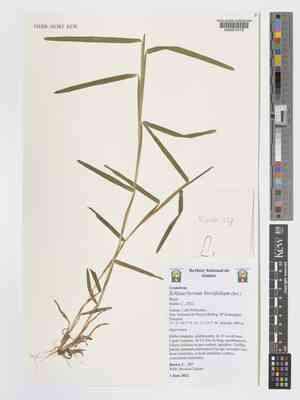
Serillo dulce (Schizachyrium brevifolium)
Also known as: Little Bluestem, Perennial Broom Sedge
Blue Grama (Bouteloua gracilis) is a hardy grass known for its compact growth and slender leaves. It exhibits a tufted form and vertical growth, making it well-suited for dry, open environments. This resilient grass thrives in challenging conditions, including drought and poor soil, showcasing its remarkable adaptability.
In This Article
Attributes of Serillo dulce
Lifespan
Annual, Perennial
Plant Type
Grass
Plant Height
10 cm to 70 cm
Spread
1 to 2 feet
Leaf Color
Yellow Red Green Brown
Flower Size
5 mm to 2 cm
Flower Color
Yellow
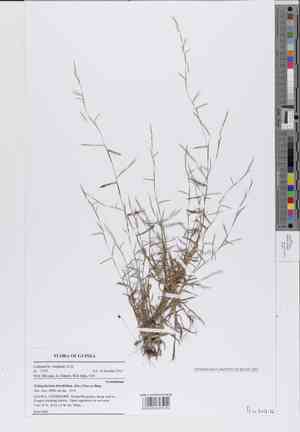
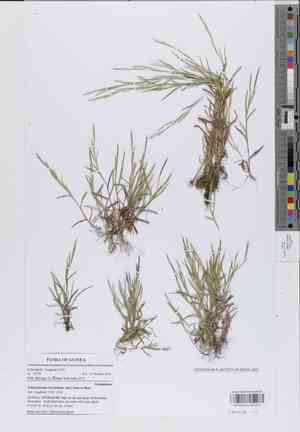
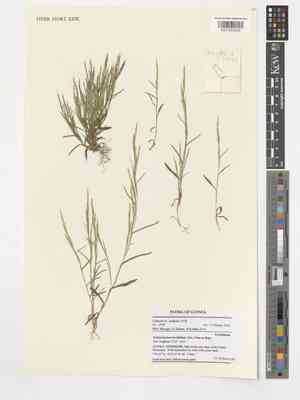
Images of Serillo dulce

Quickly Identify Serillo dulce
1
Schizachyrium brevifolium can be identified by its clumping growth habit, narrow bluish-green leaves that turn reddish-orange in the fall, and fluffy seed heads.
Scientific Classification of Serillo dulce
Phylum
Vascular plants
Class
Monocotyledons
Order
Poales
Family
Grass
Genus
Bluestems
Species
Serillo dulce
Planting and Growing of Serillo dulce
Care Difficulty
Easy
Watering Schedule
Every 2 days
Sunlight Requirements
Partial sun
Sunshine Duration
6-10 hours
Ideal Temperature
68-77℉
Soil Type
Potting Mix, Peat Mix
Soil pH
6.5-7.5
Fertilizer Type
Balanced
Pruning Season
Spring, Summer
Pruning Area
Branches, Leaves
Pruning Frequency
2 times a year
Repotting Season
Spring
Pot Type
Plastic, Ceramic
 How to Water Serillo dulce?
When watering Schizachyrium brevifolium, ensure the soil is moistened about 10 cm deep. The goal is to allow water to penetrate to the roots without saturating the soil excessively. Avoid leaving the soil too dry or overly wet for optimal growth.
What are the symptoms of an underwatered Serillo dulce?
›
What should I do if my Serillo dulce is not getting enough water?
›
What are the symptoms of an overwatered Serillo dulce?
›
How to save an overwatered Serillo dulce?
›
 What Are the Sunlight Requirements for Serillo dulce?
Schizachyrium brevifolium thrives best with partial sun, ensuring robust growth and vibrant leaf color, while promoting strong stems and overall resilience.
What is the ideal light for Schizachyrium brevifolium?
›
How can you ensure it gets the ideal light?
›
What happens when it gets the perfect light?
›
 What Is the Ideal Temperature Range for Serillo dulce?
The ideal temperature range for Schizachyrium brevifolium is between 68°F and 77°F. This range provides optimal conditions for growth and photosynthesis. Maintaining this temperature helps in maximizing the plant's growth rate and overall health, ensuring a robust and resilient structure.
 What Soil is Best for Serillo dulce?
Schizachyrium brevifolium thrives in well-draining soils, allowing roots to breathe and preventing waterlogging, which can lead to root rot and other issues. The plant prefers nutrient-rich soils to support its growth and foliage. Amending the soil with organic matter can enhance its nutrient capacity, promoting healthy plant development. While this plant can handle dry spells, it's happiest with moderate moisture levels, ensuring it receives adequate hydration without oversaturation.
 How to Fertilize Serillo dulce?
Schizachyrium brevifolium benefits from a balanced fertilization approach. Use about 1/4 cup of a general-purpose granular fertilizer once every season. For liquid fertilizers, dilute to half the recommended strength and apply twice a month. This ensures the plant receives adequate nutrition without the risk of over-fertilization.
 How to Prune Serillo dulce?
Begin by removing any brown, dead, or dying foliage to encourage the growth of fresh, vibrant leaves. This helps the plant direct its energy to producing new growth. When pruning, make your cuts at a 45-degree angle. This technique allows water to run off the cut rather than sitting on top, reducing the risk of rot and infection at the cut site. To maintain an attractive silhouette, prune back overgrown stems to keep the plant's natural shape. Be cautious not to remove more than one-third of the plant's mass in a single session.
 How to Propagate Serillo dulce plant?
1
Select mature seeds from a healthy mother plant. Ensure the seeds are free from disease and have been collected during the peak seed collection period.
2
Prepare a well-draining seed-starting mix. The soil should be sterile to prevent fungal infections and should retain moisture while allowing excess to drain away.
3
Sow seeds on the surface of the soil and cover lightly. Water gently to keep the soil moist but not waterlogged. Use a spray bottle for even moisture distribution.
 How to Repot Serillo dulce plant?
1
The signals for repotting Schizachyrium brevifolium include roots starting to grow out of the drainage holes, reduced plant growth, or the soil compacting too quickly after watering. Spring is the ideal season to repot as the plant's growth phase ensures it will quickly adapt to its new environment.
2
Select a pot that is one size larger than the current container, ideally with drainage holes to prevent waterlogging. A well-sized pot fosters healthy growth by providing adequate space for root expansion and preventing the plant from becoming root-bound.
3
Use a sandy, well-draining soil mix to mimic the natural habitat of Schizachyrium brevifolium. This ensures good air circulation around the roots, reduces the risk of root rot, and provides the plant with essential minerals.



