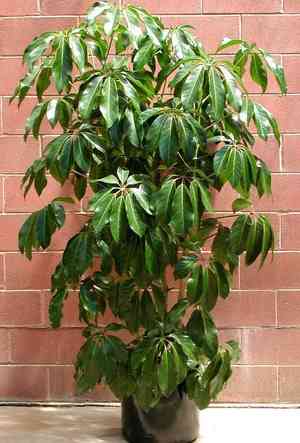
Octopus tree(Schefflera actinophylla)

Octopus tree (Schefflera actinophylla)

Also known as: Australian umbrella tree, Ivy tree

The Weeping Lilly Pilly, native to Queensland, Australia, is notable for its unique drooping foliage. Often referred to as the "Australian umbrella tree," this evergreen species can be quite aggressive due to its invasive root system, which can overwhelm other plants in the area.

Attributes of Octopus tree

Lifespan
Perennial
Plant Type
Shrub, Tree
Plant Height
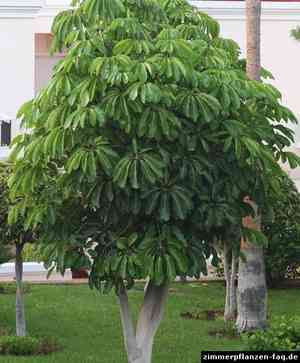
6 m to 20 m
Spread
4.5 m to 6 m
Leaf Color
Green
Flower Size
2.5 cm
Flower Color
Red

PlantJoy - Identify plants with a snap

Identify and diagnose plants, get toxicity alerts, and explore safety guides for all types of fungi.

Try for Free

Images of Octopus tree

Octopus tree(Schefflera actinophylla)

Quickly Identify Octopus tree

1
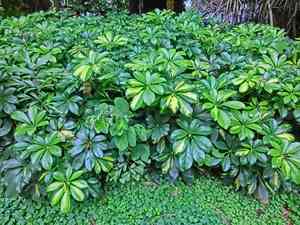
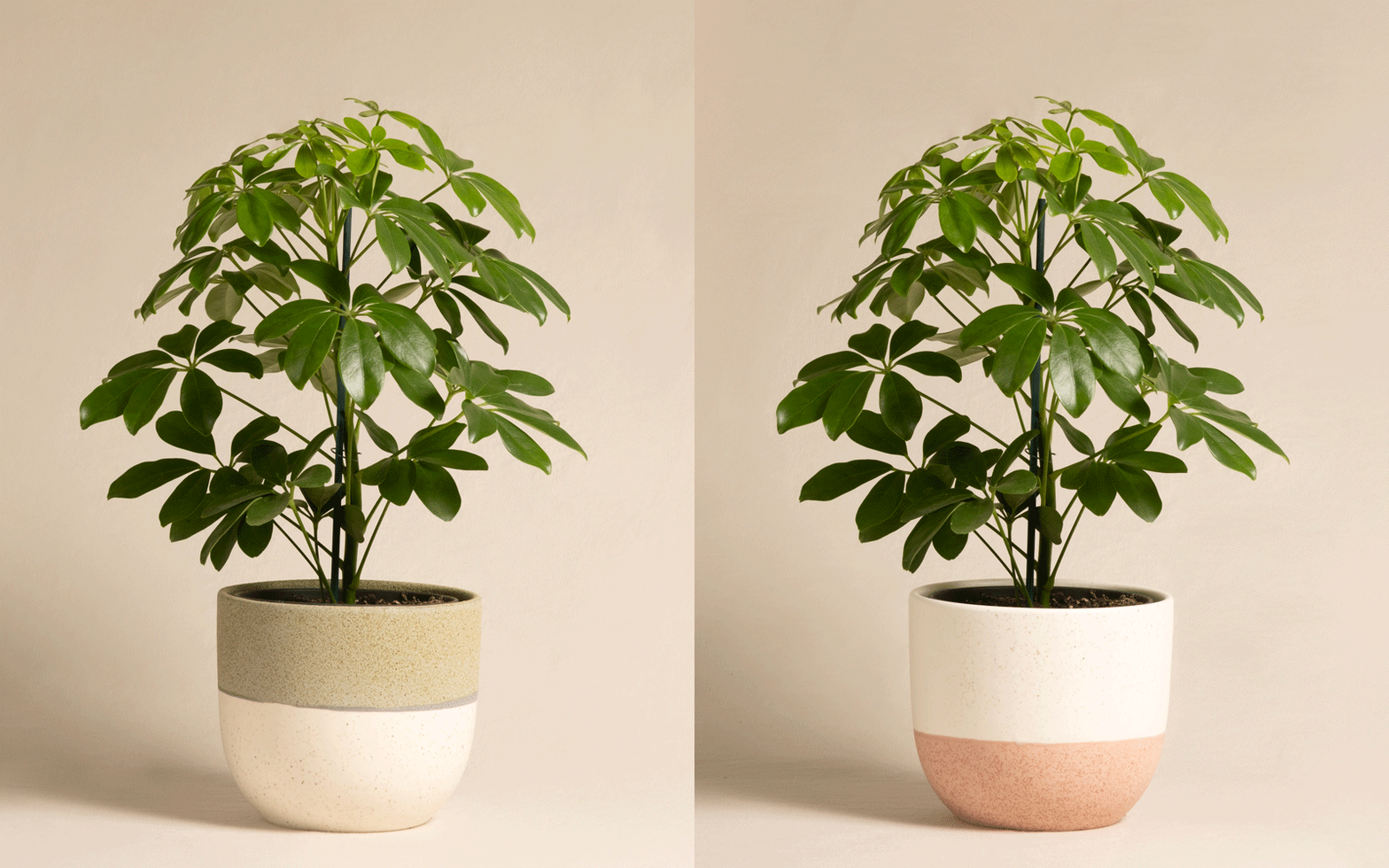
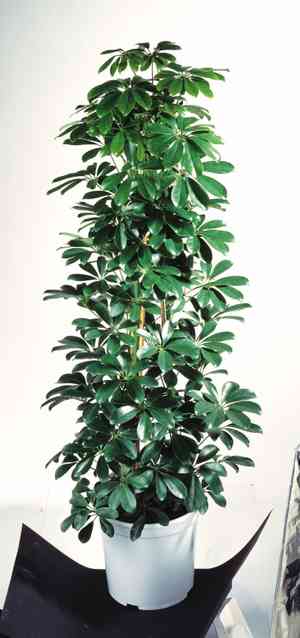
Large glossy leaves in radial pattern resemble a hand.
2
Vibrant red flowers in compact umbels, 1 inch (2.5 cm) wide.
3
Small, rounded drupes with reddish-purple color, cluster together.
4
Palmately compound leaves with 7-16 leaflets in rosettes.
5
Smooth, woody stem with minimal branching, 0.5-2 inches (1.3-5 cm) thick.

Scientific Classification of Octopus tree

Phylum
Vascular plants
Class
Dicotyledons
Order
Apiales
Family
Ivy
Genus
Schefflera
Species
Octopus tree

Planting and Growing of Octopus tree

Care Difficulty
Easy
Watering Schedule
Every 2 days
Sunlight Requirements
Partial sun
Sunshine Duration
4-8 hours
Ideal Temperature
65-75℉
Soil Type
Potting Mix, Peat Mix
Soil pH
6.5-7.5
Fertilizer Type
Balanced
Pruning Season
Spring, Summer
Pruning Area
Branches, Leaves
Pruning Frequency
2 times a year
Repotting Season
Spring
Pot Type
Plastic, Ceramic

water icon How to Water Octopus tree?

When watering the Schefflera actinophylla, the key is to ensure the soil is evenly moist but not soggy. Pour approximately 500ml of water until you see it start to drain out of the bottom of the pot. This indicates that the entire root system has received water.
What are the symptoms of an underwatered Octopus tree?
What should I do if my Octopus tree is not getting enough water?
What are the symptoms of an overwatered Octopus tree?
How to save an overwatered Octopus tree?
More About Watering Techniques

sunlight icon What Are the Sunlight Requirements for Octopus tree?

Sunlight Requirements: Partial sun
Duration of light: 4-6 hours daily
Schefflera actinophylla flourishes under partial sun, benefitting from about 4-6 hours of bright, indirect sunlight daily. Ideal lighting fosters lush foliage, stronger stems, and a healthier overall appearance.
What is the ideal lighting condition for Schefflera actinophylla?
How can I achieve ideal lighting for it?
What are the benefits of achieving ideal light conditions?
More About Sunlight Requirements Techniques

temperature icon What Is the Ideal Temperature Range for Octopus tree?

Ideal Temperature: 65 ~ 75℉
Schefflera actinophylla thrives best in a temperature range of 65°F to 75°F. This range supports healthy growth and ensures the plant maintains its vibrant foliage. Maintaining this ideal temperature can help prevent stress and promote optimal photosynthesis.

soil icon What Soil is Best for Octopus tree?

Soil type: Loam, Sandy loam
Soil PH: 6.5 ~ 7.5
Schefflera actinophylla thrives best in nutrient-rich soil which provides the essential elements necessary for robust growth and lush foliage. This beneficial soil condition supports vibrant leaf color and plant health. The plant prefers soil with good drainage to prevent root rot. Well-drained soil allows excess water to escape, safeguarding the roots and maintaining the plant’s vigor. While good drainage is crucial, it's equally important that the soil retains enough moisture. This balance ensures the roots remain hydrated without being waterlogged, promoting steady growth. More About Soil

fertilize icon How to Fertilize Octopus tree?

Fertilizer type: Balanced
For Schefflera actinophylla, apply liquid fertilizer at half the recommended strength, usually 1 tablespoon per gallon of water. This ensures a balanced uptake of nutrients without overwhelming the plant's roots. More About Fertilizing Techniques

prune icon How to Prune Octopus tree?

Pruning Time: Spring, Summer, Autumn
Start by observing the plant for leggy or crowded growth. Focus on removing these branches first to open up the plant and improve air circulation. Trim back taller branches and any stems that disrupt the natural shape of the plant. This will promote a more even and aesthetically pleasing appearance. Make cuts just above a leaf node to encourage new shoots to grow from the cut point, leading to denser, healthier foliage. More About Pruning Techniques

propagate icon How to Propagate Octopus tree plant?

Propagate Time: Spring,Early spring
1
Choose healthy and mature stems that are neither too young nor too old. Look for stems that are free from pests and disease, ensuring successful propagation.
2
Use pruning shears to cut 4-6 inch sections of the stem. Remove the leaves from the lower half and dip the cut end in rooting hormone to enhance root development.
3
Plant the treated cuttings in a well-draining potting mix, ensuring they are inserted deeply enough to stand upright. Provide a warm and humid environment to encourage rooting.
More About Propagating Techniques

repot icon How to Repot Octopus tree plant?

Repotting frequency: Every two years
1
Look for signs like roots emerging from the pot's drainage holes, stunted growth, or soil that dries out too quickly. These indicate that your Schefflera actinophylla might need a new pot. The best time to repot is during its active growing period in spring or summer to reduce stress and encourage quick recovery.
2
Select a pot that is 1-2 inches larger in diameter than the current one. Ensure it has adequate drainage holes to prevent water accumulation, which could lead to root rot. Opt for a stable, substantial pot to support the plant's top-heavy structure, enhancing both health and aesthetic appeal.
3
Pick a well-draining potting mix that retains some moisture yet allows excess water to escape. A mix of peat, pine bark, and perlite is ideal. This type of soil ensures good aeration, supports root development, and reduces the risk of waterlogged conditions.
More About Repotting Techniques

PlantJoy - Identify plants with a snap

Find the best spots for them to optimize their health, simply using your phone.

Try for Free

Toxicity of Octopus tree

Is Octopus tree toxic to humans?

The Octopus tree is a plant that can be potentially harmful to humans if either touched or ingested, though the resulting effects are typically mild. Various parts of this plant, including the resin, roots, leaves, and bark, are known to carry toxicity due to the presence of calcium oxalate crystals. When the resin comes in contact with skin, it can lead to irritation, while consuming any toxic components can result in symptoms such as nausea and vomiting. In the most severe instances, there could be a risk of kidney failure. Therefore, it is important to wear gloves when handling or pruning this plant, as this may cause the resin to be released.

Is Octopus tree toxic to cat?

The Octopus tree (Schefflera actinophylla) possesses a moderate level of toxicity for cats, primarily due to the presence of saponins alongside other harmful substances that can lead to reduced appetite or leucopenia. Nevertheless, the most frequently observed symptoms are generally restricted to vomiting or diarrhea. Consuming any portion of this plant can trigger these symptoms, and it is advisable to consult a veterinarian if they persist.

Is Octopus tree toxic to dog?

Your dog might come across the octopus tree as part of your home decor; it is essential to keep them clear of its moderately toxic foliage and stems. The sap present throughout the entire plant contains calcium oxalate crystals that can lead to excruciating pain and irritation upon contact with the skin, mouth, and digestive tract. If your dog consumes a significant quantity of the plant, the resulting swelling could potentially obstruct breathing. Visiting the veterinarian is strongly recommended.

Identify toxic plants for your safety

Learn which plants are harmful to you and your pets, and make informed choices for a safer home!

Try for Free
WARNING
The judgment on toxicity and danger is for reference only. We DO NOT GUARANTEE any accuracy of such judgment. Therefore, you SHALL NOT rely on such judgment. It is IMPORTANT TO SEEK PROFESSIONAL ADVICE in advance when necessary.
More About Toxic Techniques