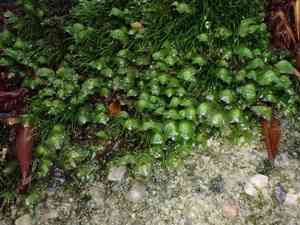
Grove earwort (Scapania nemorea)
Also known as: None
Grove earwort is a type of liverwort that flourishes in humid, shaded woodlands. It typically forms a green, leafy mat on the ground, covering soil or rocks. This plant thrives in tranquil, damp settings, characterized by its flat, lobed leaves that help it adapt to the low-light conditions of the forest understory.
In This Article
Attributes of Grove earwort
Lifespan
Perennial
Plant Type
Moss
Plant Height
Typically under 1 cm
Spread
Forms dense mats, up to several centimeters wide
Leaf Color
Pale green to brownish
Flower Size
Not applicable; does not produce flowers
Flower Color
Not applicable; does not produce flowers
Images of Grove earwort
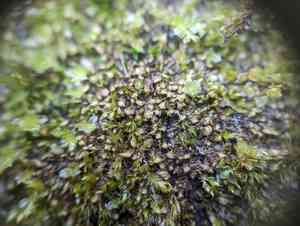
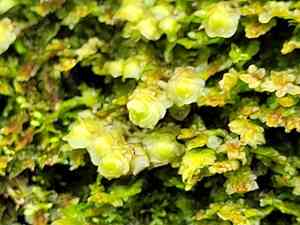
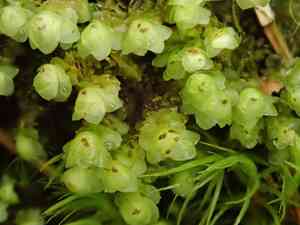
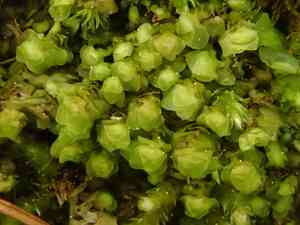
Quickly Identify Grove earwort
1
Scapania nemorea can be recognized by its pale green to brownish colors and bilobed leaves, where the upper lobes are typically larger than the lower ones. The plant often forms compact mats on the forest floor.
Scientific Classification of Grove earwort
Phylum
Hepatics
Class
Leafy liverworts
Order
Jungermanniales
Family
Scapaniaceae
Genus
Scapania
Species
Grove earwort
Planting and Growing of Grove earwort
Care Difficulty
Moderate
Watering Schedule
Every 2 days
Sunlight Requirements
Partial sun
Sunshine Duration
6-10 hours
Ideal Temperature
55-70℉
Soil Type
Potting Mix, Peat Mix
Soil pH
4-6
Fertilizer Type
Balanced
Pruning Season
Spring, Summer
Pruning Area
Branches, Leaves
Pruning Frequency
2 times a year
Repotting Season
Spring
Pot Type
Plastic, Ceramic
 How to Water Grove earwort?
Scapania nemorea thrives in consistently moist environments. Therefore, it is crucial to maintain a substrate that remains evenly damp, without becoming waterlogged. Aim for a balance where water slightly seeps through, ensuring hydration without drowning the plant.
What are the symptoms of an underwatered Grove earwort?
›
What should I do if my Grove earwort is not getting enough water?
›
What are the symptoms of an overwatered Grove earwort?
›
How to save an overwatered Grove earwort?
›
 What Are the Sunlight Requirements for Grove earwort?
Partial sun or full shade provides the best conditions for Scapania nemorea, aiding in moisture retention and avoiding overheating. Maintaining this range supports optimal photosynthetic balance and health.
How much light does Scapania nemorea need?
›
How to achieve ideal lighting for Scapania nemorea?
›
Benefits of obtaining ideal lighting?
›
 What Is the Ideal Temperature Range for Grove earwort?
The ideal temperature range for Scapania nemorea is between 55°F and 70°F. In this range, the plant can maintain optimal growth and physiological functions. Ensuring this temperature helps prevent stress and promotes healthy development.
 What Soil is Best for Grove earwort?
Scapania nemorea thrives in environments where moisture is plentiful. It demands a soil that can consistently retain moisture without becoming overly waterlogged. Well-hydrated soil ensures that the plant can absorb nutrients effectively and maintain its lush appearance. This plant requires soil that is well-aerated enough to allow its roots to breathe. Good aeration prevents the soil from compacting and supports healthy root development, essential for optimal plant growth and resilience. A rich mix of organic material is beneficial for Scapania nemorea, providing essential nutrients that promote vibrant growth. Organic matter enriches the soil's fertility, ensuring the plant receives a balanced diet crucial for its survival.
 How to Fertilize Grove earwort?
For Scapania nemorea, the amount of fertilizer should be minimal due to its specific nutrient needs. It's important to use a diluted solution at one-quarter strength for liquid fertilizers. Over-fertilizing can harm this plant, as it's adapted to nutrient-poor conditions typically found in its natural habitats.
 How to Prune Grove earwort?
Begin by identifying any dead, diseased, or damaged parts of the plant. Clear visibility is essential; gently move the leaves to uncover parts that may need trimming. This not only improves the aesthetic appeal but also ensures the plant directs nutrients to healthier areas. Use clean, sharp scissors or a small gardening knife to make precise cuts. Dull tools can harm the plant by making jagged cuts that are more susceptible to disease. Always sterilize your tools before and after use to avoid spreading pathogens. When cutting, aim for a smooth, clean incision near the base of the leaf or stem. Avoid cutting too close to the main stalk to reduce stress on the plant. Proper trimming encourages vigorous side growth and fuller foliage. After trimming, ensure the plant remains moist but not waterlogged, as excessive moisture can lead to rot. Provide ample indirect light to help in the recovery and regeneration process for robust new growth.
 How to Propagate Grove earwort plant?
1
Choose a healthy and mature plant for division. Ensure the plant is well-watered and free from pests or diseases to increase the chances of successful propagation.
2
Carefully dig up the plant and gently separate the root ball into smaller sections using a sharp knife or pruning shears. Each section should have a sufficient root system and foliage.
3
Plant each division into a separate pot with fresh potting mix. Water them thoroughly and place them in a suitable location with adequate light and humidity.
 How to Repot Grove earwort plant?
1
Scapania nemorea shows signs of needing repotting when its growth becomes stunted, or when the roots start pushing through the drainage holes. It's ideal to repot during its active growth in spring or during autumn, as this allows the liverwort to establish itself in its new environment without stress.
2
Select a pot slightly larger than the previous one, with ample drainage holes. A small increase in pot size ensures that the plant focuses energy on root establishment rather than excessive vegetative growth. Good drainage prevents roots from sitting in water, reducing the risk of root rot.
3
The ideal soil is well-draining, with a slightly acidic pH level mimicking the plant's natural habitat. Using such soil helps maintain the health of Scapania nemorea by ensuring good moisture retention while preventing oversaturation. The organic-rich mix supports nutrient availability for optimal growth.

